
Sports Nutrition Guides
Nutrition guides, supplement reviews, and meal prep recipes for athletes. Science-backed advice for better performance and faster recovery.
Latest articles (406)
Pre-Workout Ingredients: What's Actually Worth It
Not all pre-workout ingredients are equal. Here's what the evidence actually says about citrulline malate, beta-alanine, Nitrosigine, and PEAK ATP.
How to Actually Evaluate Supplement Evidence
The $209B supplement market runs on cherry-picked studies and vague claims. Here's a practical evidence hierarchy to help you buy smarter.
Why Your Minerals Drop Every Fall (And What to Do)
Fall training drains vitamin D, magnesium, and iron faster than you think. Here's what the CDC 2026 data shows and how to fix it.
Creatine and Hydration: Why Pairing Them Makes Sense
Creatine increases intracellular water retention, raising your electrolyte needs. Here's why pairing it with taurine and electrolytes is physiologically sound.
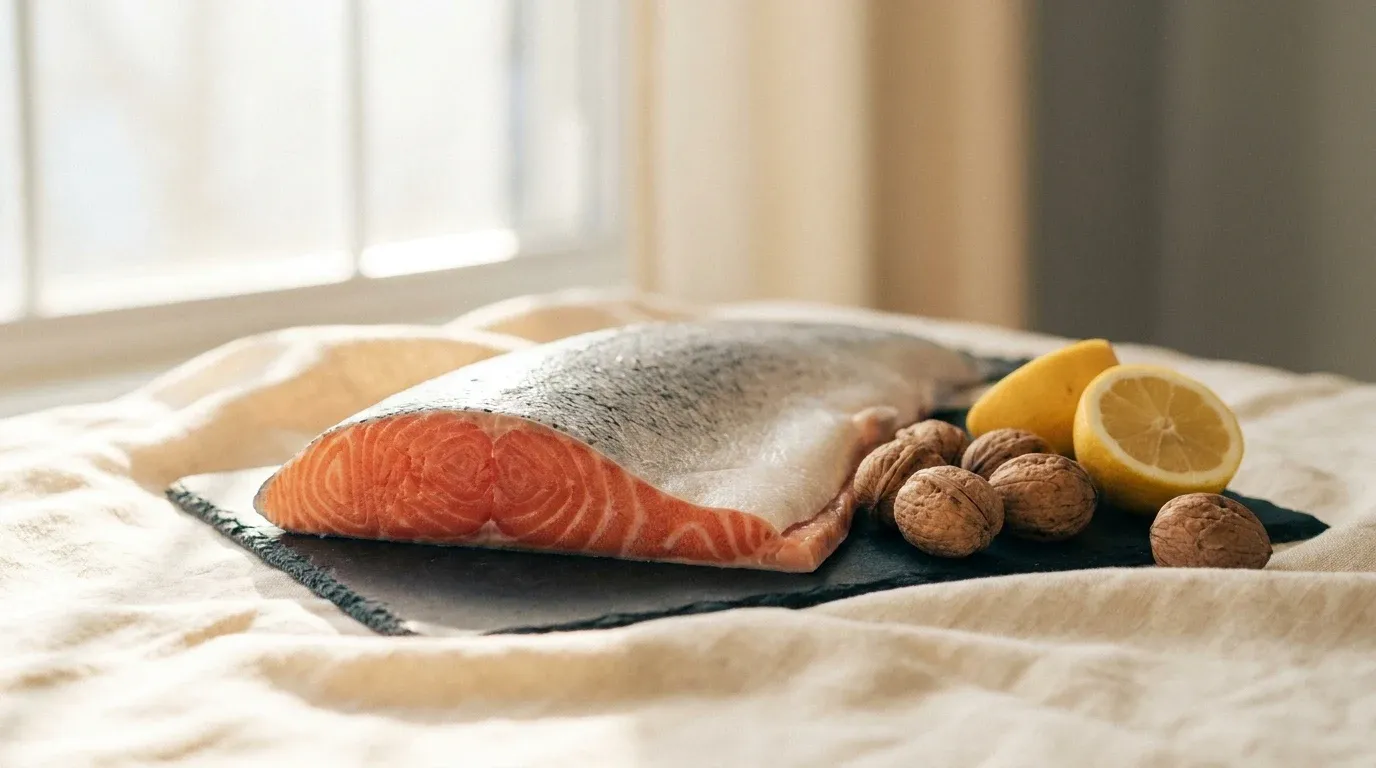
Over Half of Americans Are Low on Omega-3
The CDC's 2026 National Nutrition Report confirms over 50% of Americans have low omega-3 blood levels. Here's what that means for active adults.

When and What to Eat Around Your Workouts
The anabolic window, protein timing, and carb rules explained with what current science actually supports for real-world athletes.
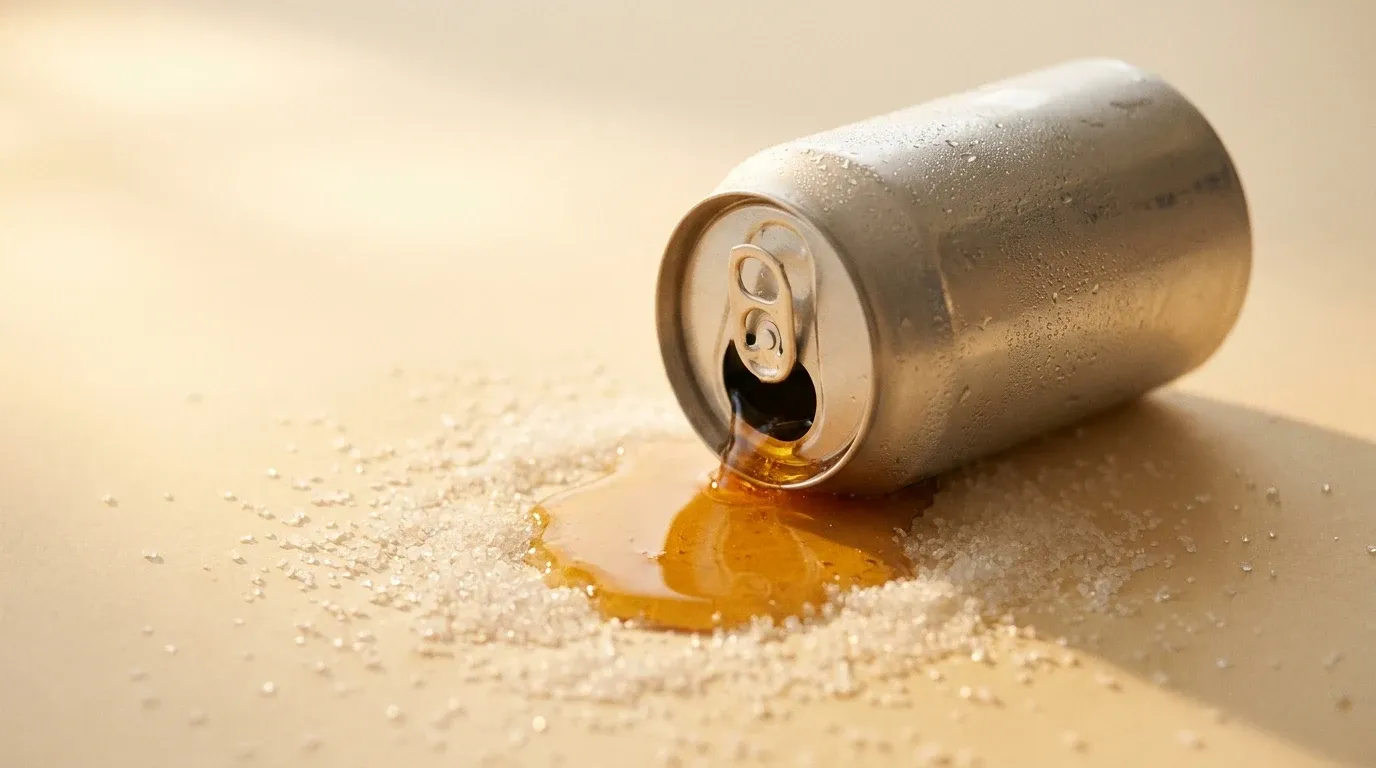
Sugary Drinks Are Quietly Wrecking College Nutrition
A 2026 study shows sugary drinks contribute a disproportionate share of college students' daily energy and sugar intake. Here's why your cup matters as much as your plate.

Protein Myths Most Athletes Still Believe in 2026
From the 30g absorption ceiling to the post-workout window panic, protein myths still shape how athletes eat. Here's what the evidence actually shows in 2026.

Fermented Dairy and Mortality: Why Dose Matters
New research shows fermented dairy reduces mortality risk at moderate intakes, but the benefit fades beyond 2–3 daily servings. Here's what the J-curve means for you.

Teen Athletes: How to Fix Their Nutrition Right Now
Teen athletes are underfueling by 20–30%, hurting performance and development. Here's a practical, anxiety-free plan for parents and coaches to fix it.
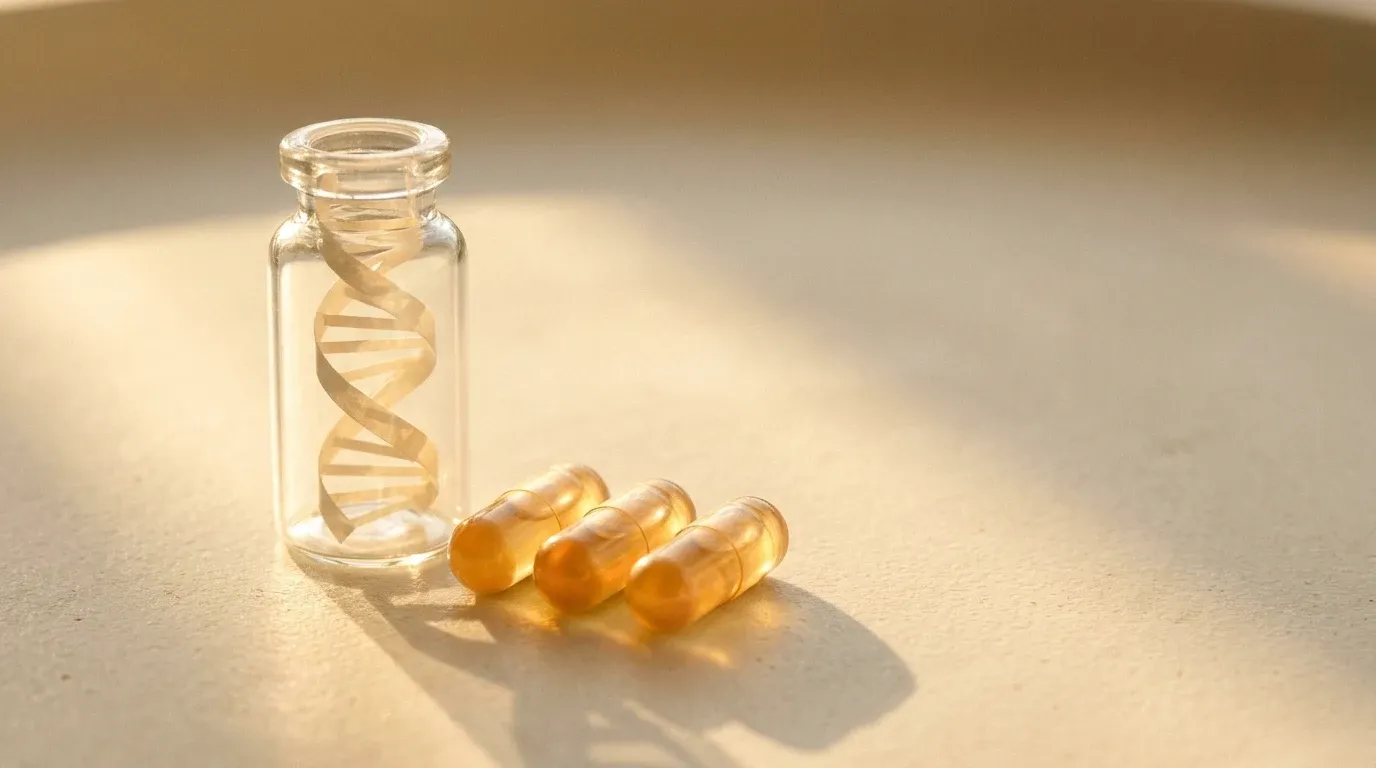
Personalized Nutrition in 2026: Promise or Overhype?
DNA and microbiome tests promise bespoke nutrition, but the science can't yet back it up. Here's what these tools actually deliver for everyday athletes.
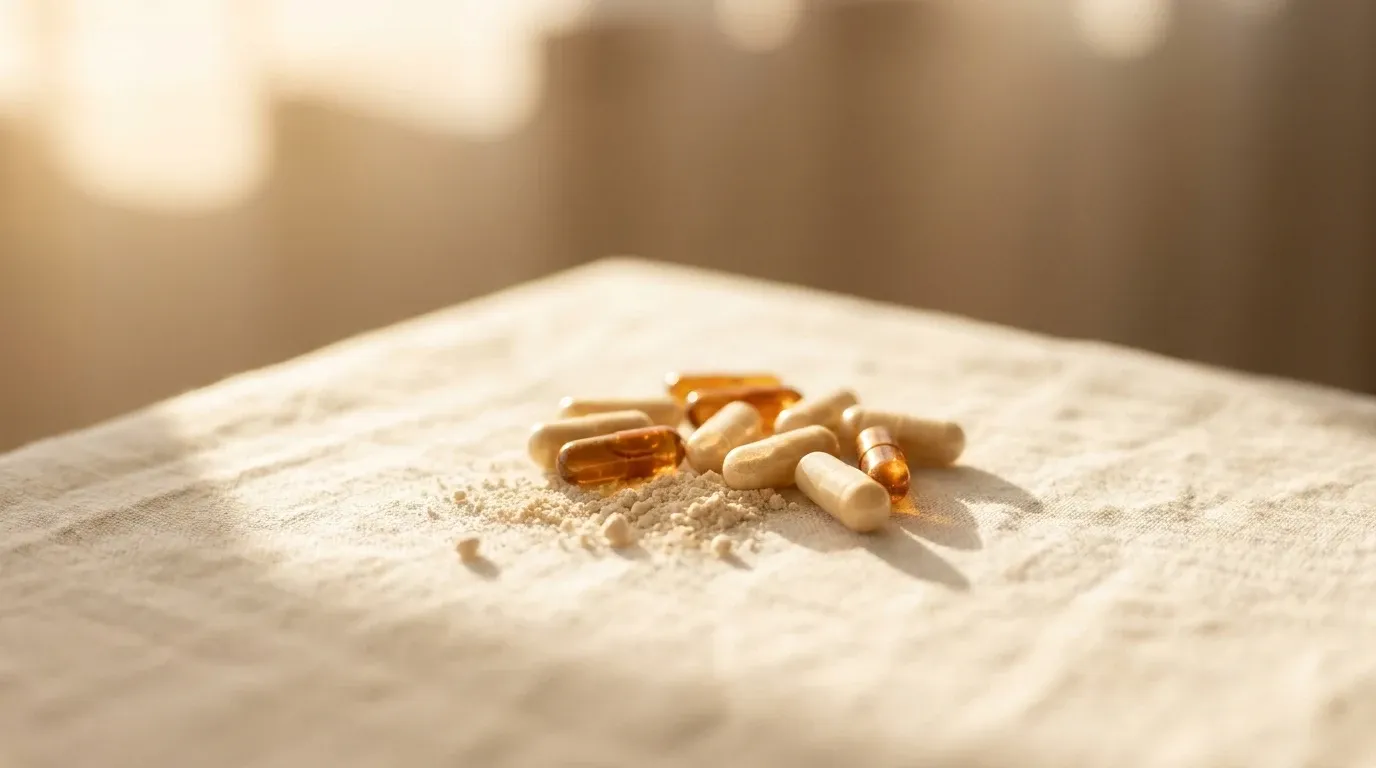
Longevity Supplements in 2026: What Science Says Now
NMN, resveratrol, and spermidine are getting new 2026 human trial data. Here's what it actually says about longevity supplements versus lifestyle.
GLP-1 Drugs Go Mainstream: What It Means for Supplements
GLP-1 drugs are reshaping consumer expectations across the supplement market. Here's what Hydroxycut's new product and Walmart's peptide expansion actually mean for you.
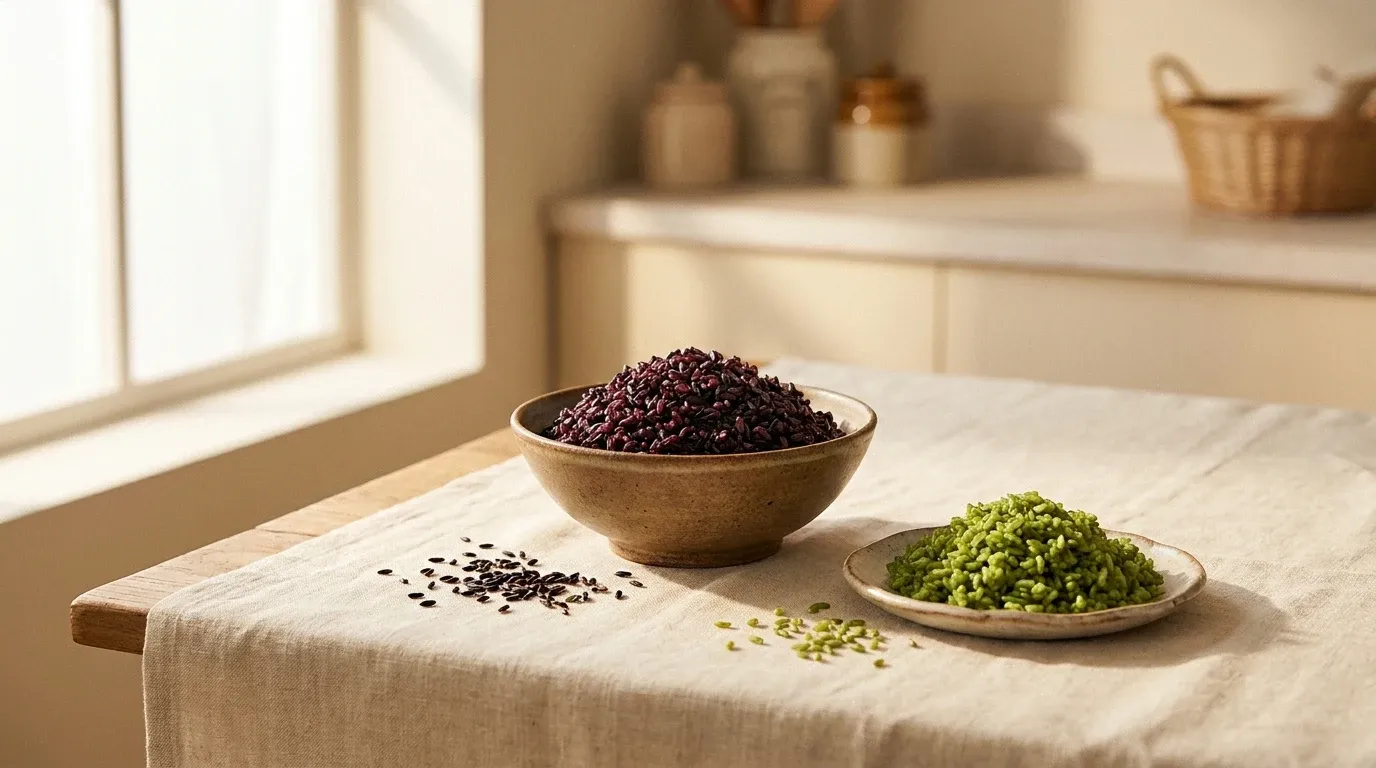
Black and Green Rice: The Hidden Health Edge
Black and green rice carry higher anthocyanins, lower glycemic impact, and real anti-inflammatory benefits that most athletes are overlooking. Here's the practical case for switching.
What Will Actually Define the Next Era of Supplements
Industry insiders at FNIS flagged personalization, bioavailability, and regulation as the forces redefining supplements. Here's what that means for your next purchase.

Fall Meal Prep: Eating Right When Your Training Shifts
As fall training shifts from volume to intensity, your nutrition needs shift too. Here's how to prep smarter using seasonal produce and phase-specific macros.
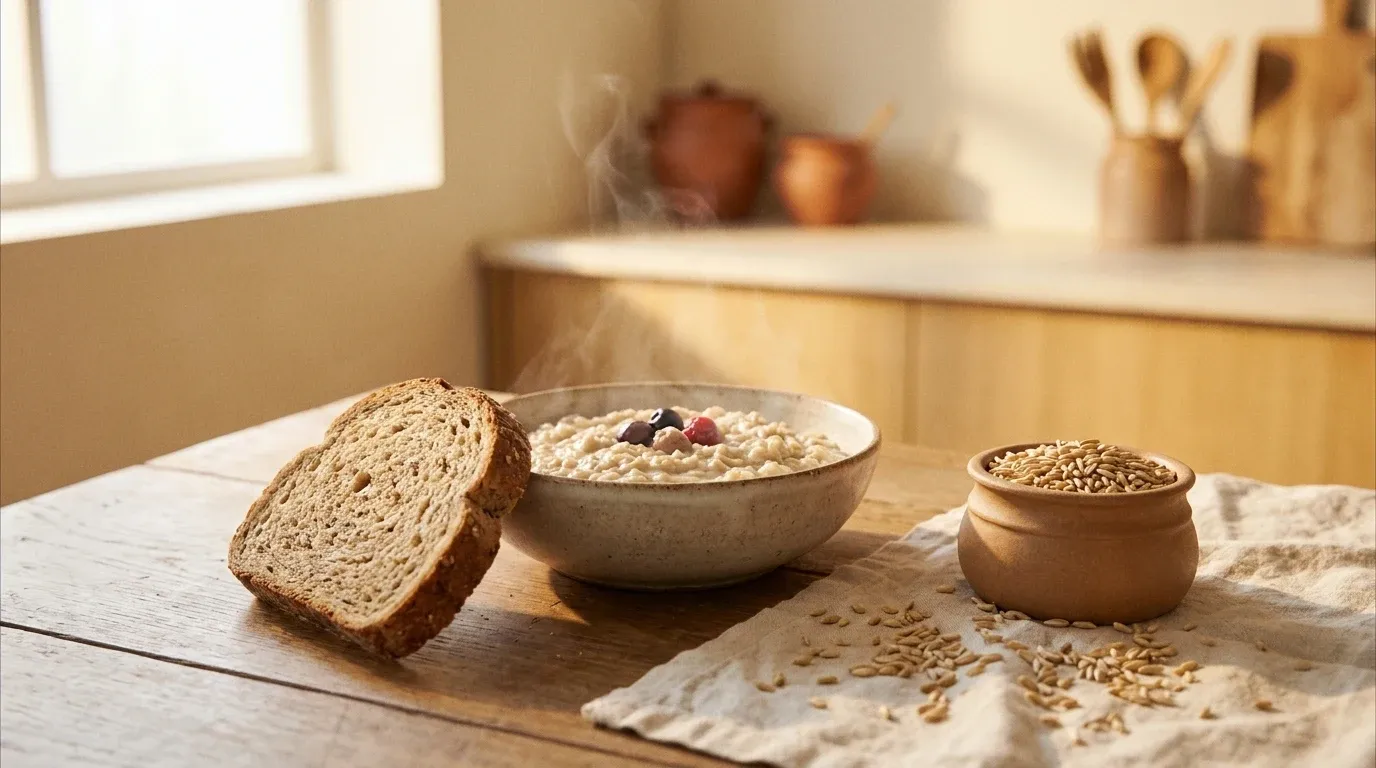
How to Hit 4-6 Whole Grain Servings Daily Without Overthinking
A 87-trial meta-analysis set the target at 4–6 whole grain servings daily. Here's what that looks like meal by meal, with no tracking required.
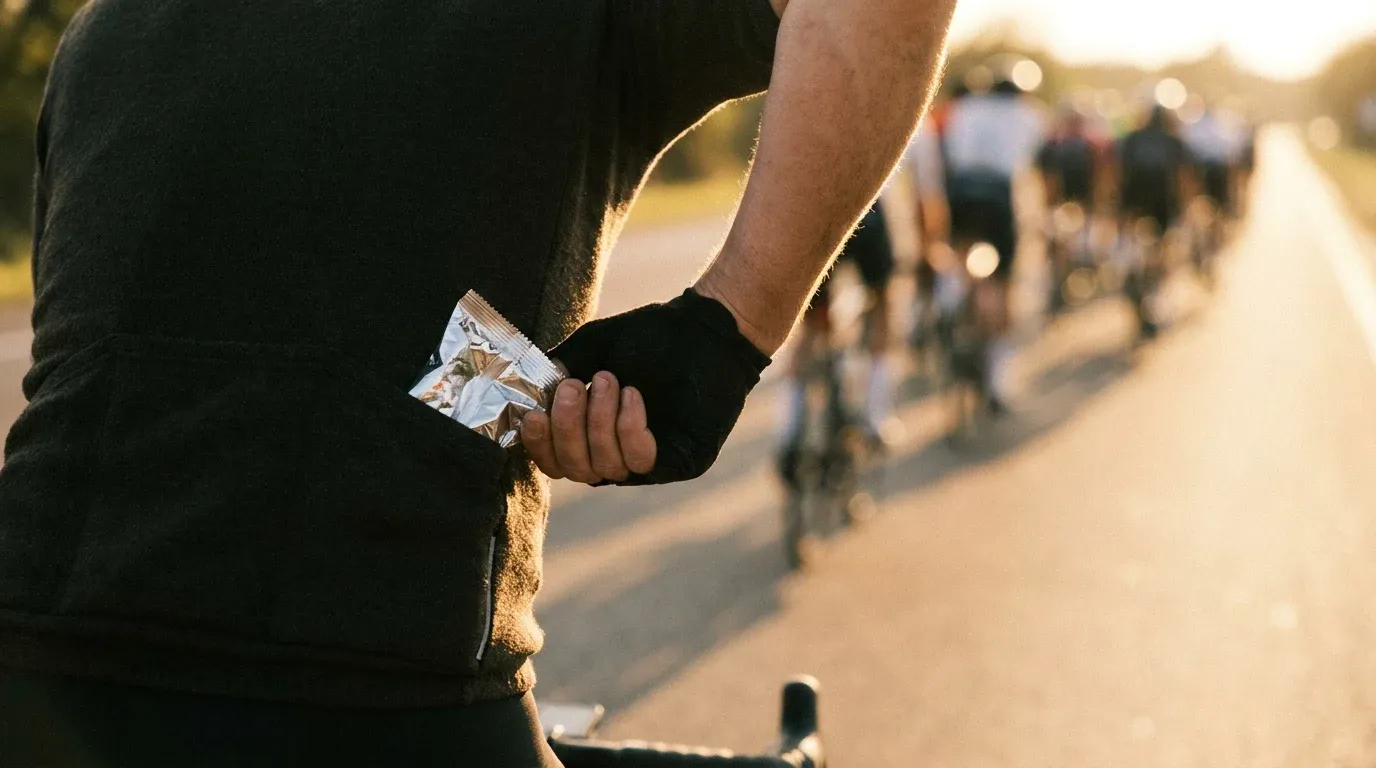
From Steak to 120g/hr: How Cycling Rewrote Sports Nutrition
From roadside steak and wine to 120g of carbs per hour: how elite cycling transformed endurance nutrition, and what every athlete can apply today.

Tea Drinkers Have Denser Bones: A 10-Year Study
A 10-year study of nearly 10,000 people links regular tea drinking to higher hip bone density in older women. Here's what the evidence actually shows.
Do You Actually Need a Multivitamin? A Straight Answer
Multivitamins are the world's best-selling supplement, but the evidence for them is mixed. Here's a practical framework to know if you actually need one.

Gut Health for Athletes: Why Fermented Food Wins
Probiotic pills can't replicate what fermented foods deliver. Here's why athletes specifically need to make the switch.
Natural GLP-1 Supplements: What the Science Says
Natural GLP-1 supplements use ingredients like berberine to stimulate your body's own hormone production. Here's what the evidence actually supports.

You Eat Well and Train Hard. Why Are You Gaining Weight?
The scale rising despite clean eating and hard training usually means water, muscle, hormones, or sleep, not fat gain. Here's the real science.
The Bill That Could Reshape the Supplement Industry
A 2026 US bill targets the drug preclusion provision that blocks supplement ingredients once pharma companies claim them. Here's what it means for athletes.