
Wellness & Recovery Guides
Sleep optimization, stress management, and mobility guides for active people. Science-backed wellness strategies to help you recover and perform better.
Latest articles (340)
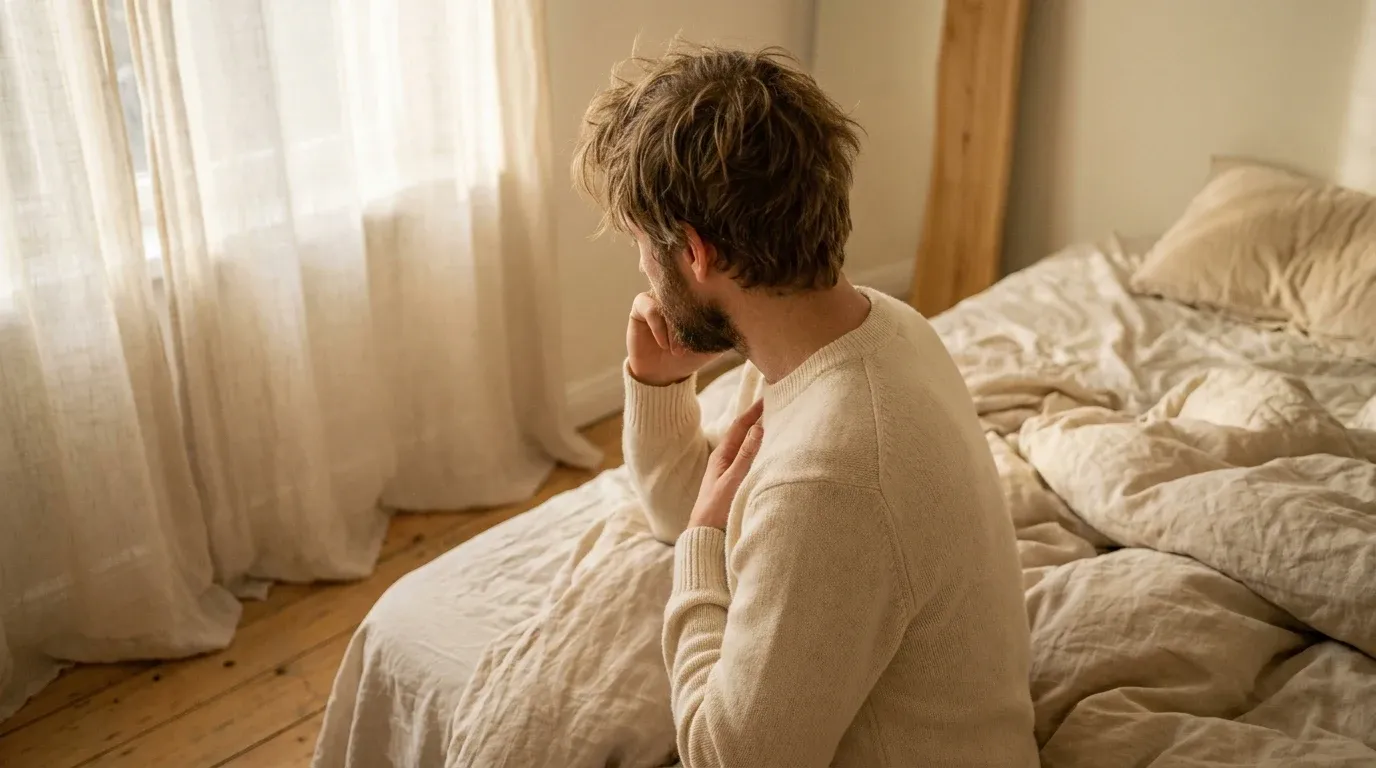
Your Body Signals Stress Before Your Brain Does
Your body sends stress signals 24–48 hours before your brain registers them. Learning to read those physical cues is your earliest and most effective intervention.

Sleep Quality vs. Quantity: What Actually Matters More
Eight hours of fragmented sleep doesn't protect you like six hours of quality, stage-rich sleep can. Here's what the research on sleep architecture actually means for your health.

6 Post-Workout Recovery Habits That Matter After 35
After 35, recovery isn't downtime between workouts. It's where adaptation happens. These six habits address the specific physiological shifts that determine your results.
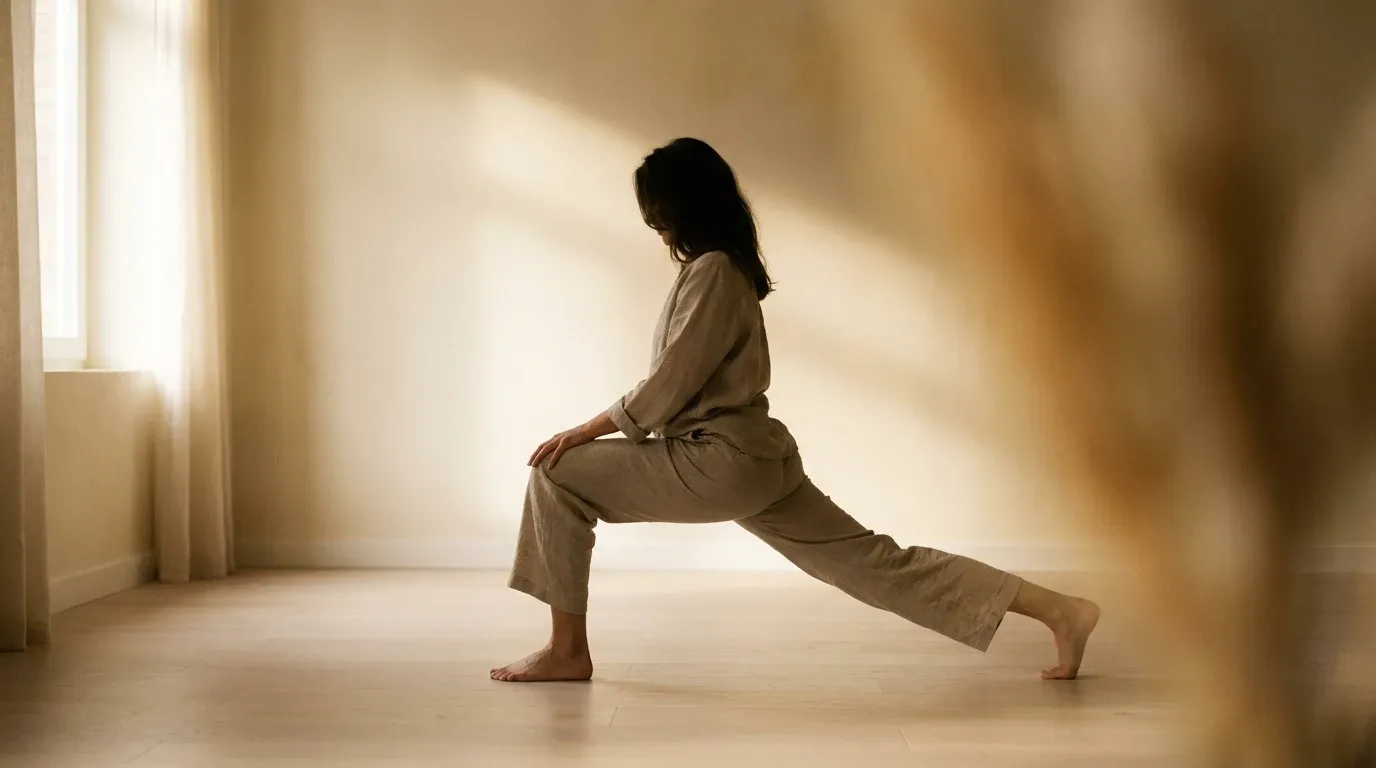
The Minimum Daily Mobility Routine That Actually Works
A ruthlessly condensed daily mobility protocol targeting hips, thoracic spine, and ankles. Under 10 minutes, backed by movement science, built for desk workers.

It's Not How Much You Sleep. It's How You Sleep.
New research shows sleep architecture, not just duration, drives long-term disease risk. Here's what that means and how to fix it.

How to Reset Your Nervous System After Stress
Chronic stress keeps your nervous system in fight-or-flight even during sleep. Here's a daily toolkit using breathwork, cold exposure, and movement to actively reset it.

Burnout Starts Outside Work. Here's What to Watch
Burnout's earliest warning signs appear in your personal life, not at work. Here's how to spot them weeks earlier and intervene before real damage sets in.

REM Sleep Is Linked to Lower Risk of 83 Diseases
New research links REM sleep to a lower risk of 83 distinct diseases, reframing sleep as a primary preventive health tool, not just a recovery aid.

Active Recovery: What Actually Works and What Doesn't
Not all recovery methods work equally. This guide maps cold immersion, compression, movement, and rest to specific training contexts so you recover smarter.

Social Connection Is a Recovery Tool You're Ignoring
Meaningful social interaction lowers inflammation, suppresses cortisol, and accelerates physical recovery. Here's why it belongs in your recovery protocol.

Morning Light: Reset Your Cortisol in 10 Minutes
Morning light exposure within 30 minutes of waking resets your cortisol rhythm, anchors your circadian clock, and directly improves sleep depth. Ten minutes is all it takes.

Real Food vs. Supplements for Recovery: Who Actually Wins?
A 2026 systematic review shows whole plant foods match supplements for muscle soreness relief. Here's why real food wins for most people.

Rest Days: Why Not Training Makes You Stronger
Your muscles grow during recovery, not during the workout. Here's how to design smarter rest into your week and why skipping it stalls progress.

Your Partner's Bad Sleep Is Wrecking Your Diet
New research shows one partner's poor sleep undermines the other's diet. Here's how to build shared routines that protect both of you.

Yoga Improves Metabolic Health Even Without Weight Loss
New research confirms yoga improves metabolic health without weight loss, making it a credible stand-alone tool through stress regulation and breathwork.

Sleep Stages Matter More Than Total Sleep Time
A 95,559-person study shows REM and deep sleep quality independently predict disease risk, making sleep architecture more important than total hours.

Why Menopause Wrecks Your Sleep at a Hormonal Level
New 2026 research reveals how falling estrogen and progesterone disrupt your brain's sleep centers, cutting REM and deep sleep while spiking nighttime cortisol.

3 Environment Changes That Quietly Lower Your Stress
Three research-backed environment tweaks — reducing visual clutter, getting morning light, and replacing unpredictable noise — that quietly lower your chronic stress baseline.

Self-Compassion: The Missing Key to Mental Well-Being
New research shows that high compassion for others combined with low self-compassion drives the most anxiety and depression. Here's what the balance actually looks like.

5 Minutes of Reading Cuts Stress by 20%, Study Shows
Just 5 minutes of fiction reading reduces stress by up to 20%, outperforming walking and music, making it one of the most accessible wellness tools available.

Bad Sleep Hurts Your Partner's Diet Too, Study Finds
A new study finds that one partner's poor sleep disrupts both partners' eating habits, making sleep hygiene a shared household priority.

Sleep and Stress: The Duo That Protects Your Metabolism
New research shows that simplified sleep and stress interventions protect your metabolism from syndrome risk, even when you're short on time.

The 8-Week Stress Plan That Science Actually Backs
A 2026 RCT confirmed that 8-week structured lifestyle programs reliably cut stress and depression. Here's the exact week-by-week framework, no subscription needed.

Cold Water Immersion: When It Actually Speeds Recovery
Cold water immersion can speed recovery after hard sessions, but timing and context determine whether it helps or hurts your progress.