
Fitness Training Guides
Strength training, workout programs, and progressive overload explained. Build muscle, get stronger, and reach your fitness goals.
Latest articles (421)
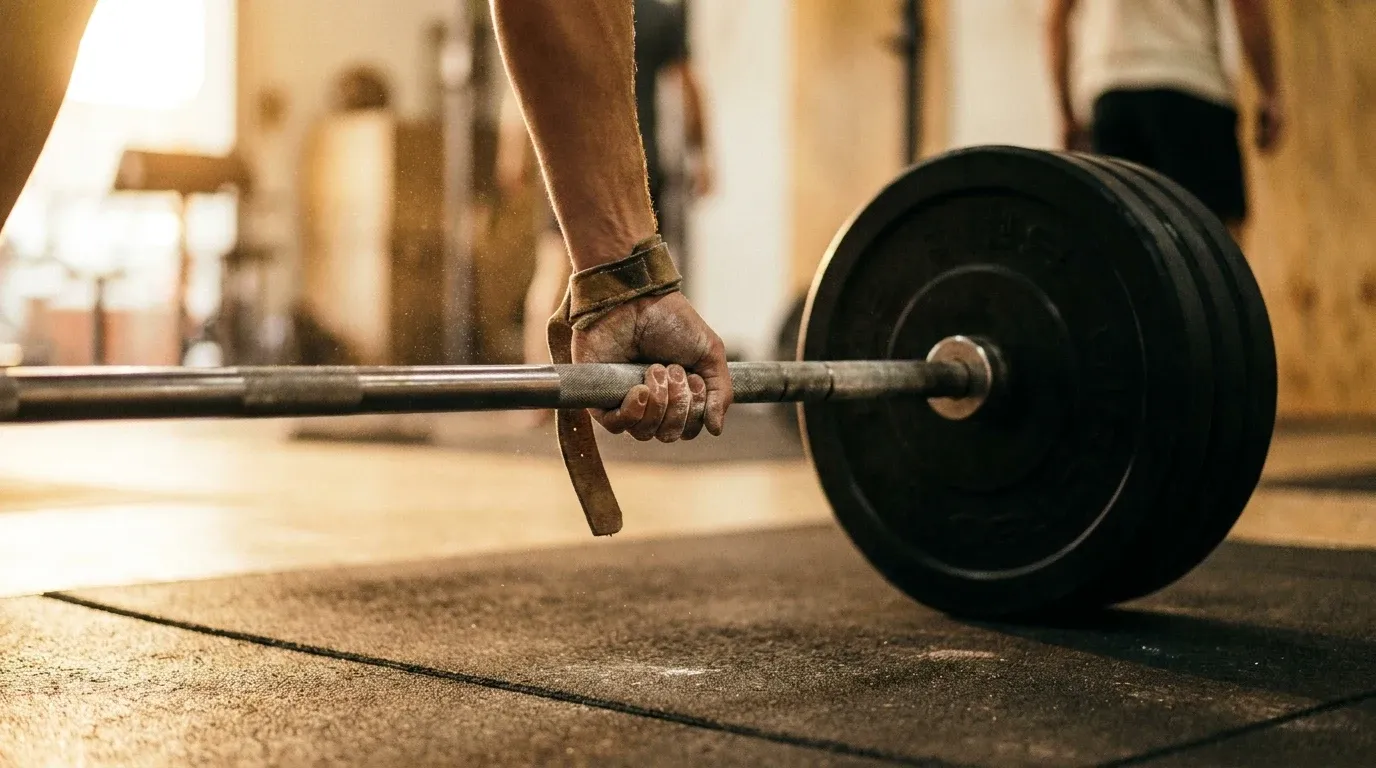
Which Training Actually Protects Your Bones? A Lifter's Guide
The BMJ's September 2026 meta-analysis confirms resistance training and high-impact loading are the top tools for bone density. Here's how to use both without rebuilding your program.

How to Restart Gym Training This Fall and Actually Stick to It
Fall gym restarts spike every September but most collapse by week three. Here's the practical structure that actually keeps you training through October and beyond.
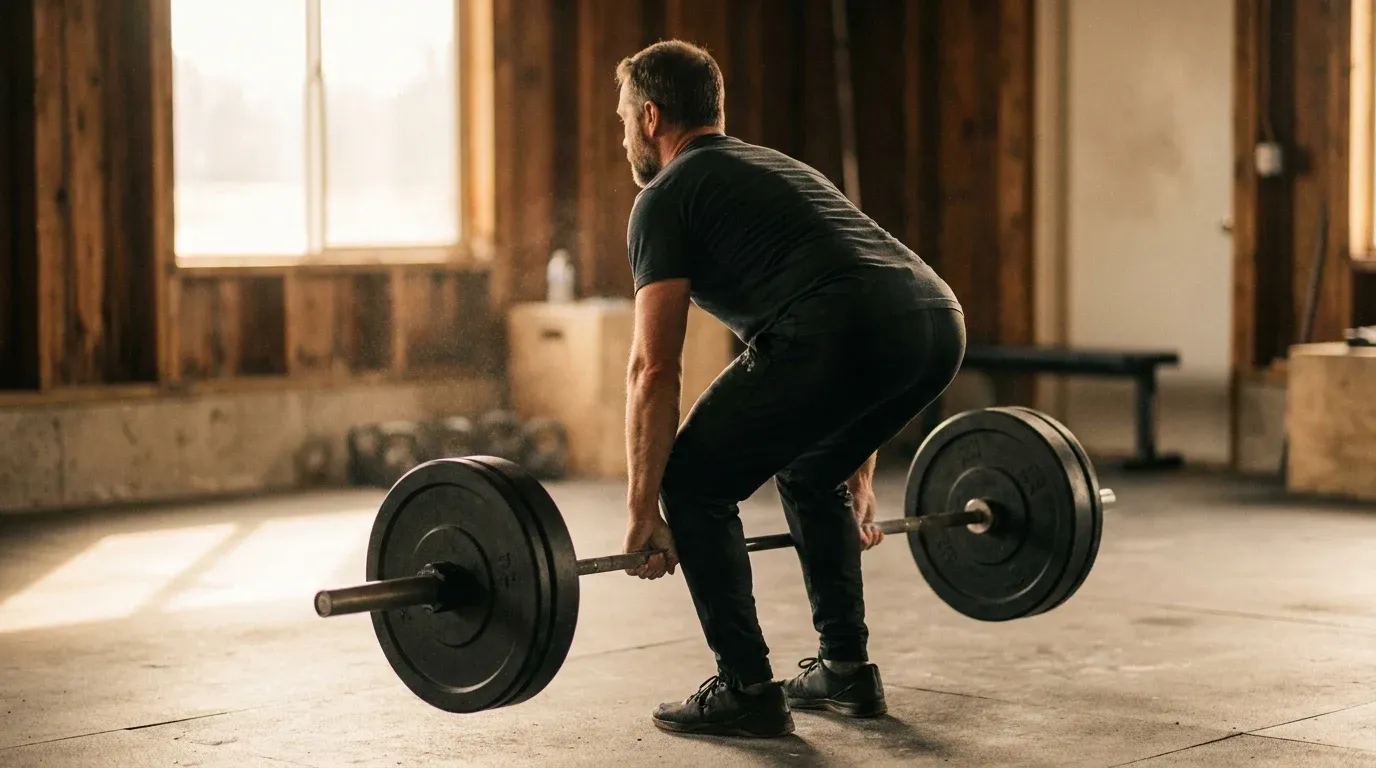
Strength Training and Longevity: The Dose That Actually Matters
Strength training extends lifespan, but more isn't always better. Research points to a clear ceiling effect, and the optimal weekly dose is within reach of most recreational lifters.
More Gym Sessions Don't Mean More Results: Here's Why
Training more doesn't always mean gaining more. Here's how the ceiling effect on volume works and how to structure your week for better results with less wear.

Why You Keep Quitting the Gym and How to Finally Stop
Gym dropout peaks at weeks 6-8 for behavioral reasons, not laziness. Here's the science-backed system to finally build lasting consistency.
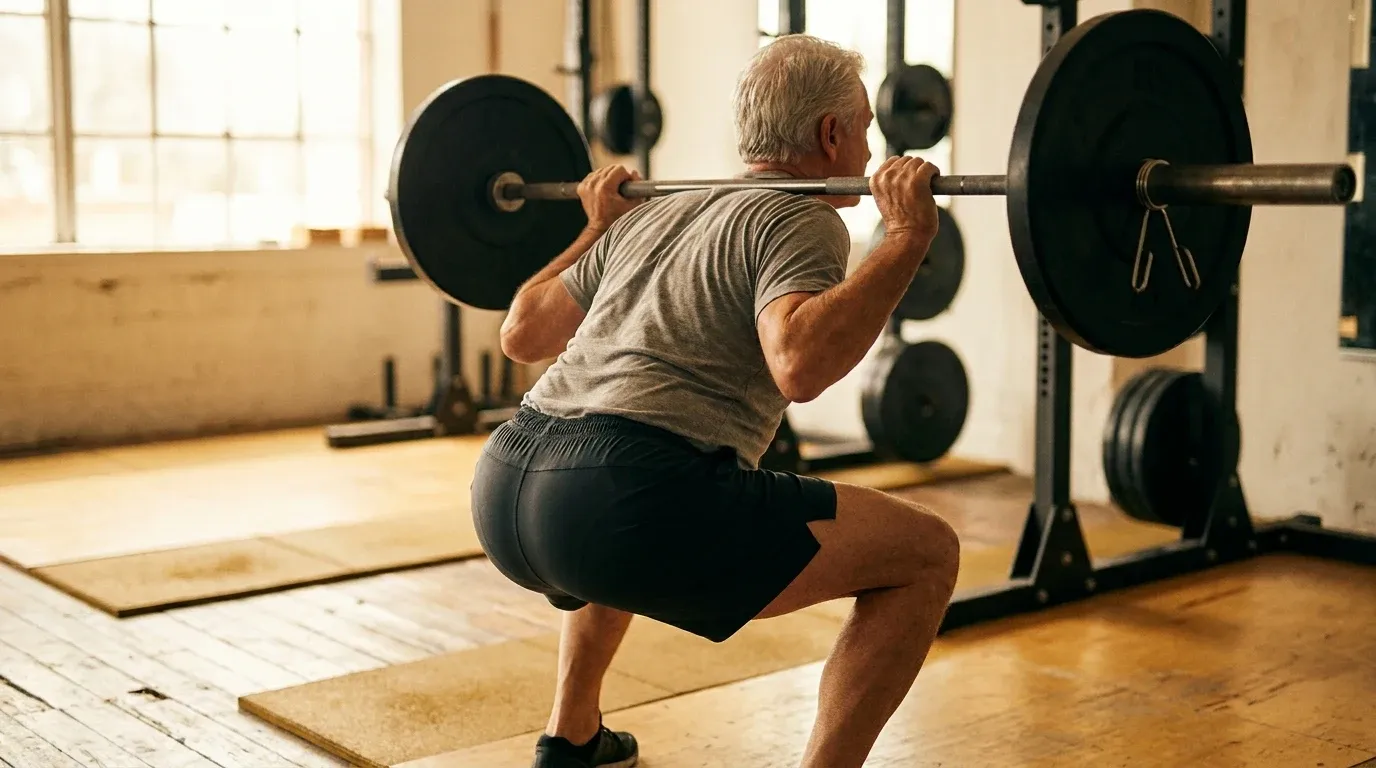
88,000 Adults: Exercise Gets More Powerful as You Age
A study of nearly 88,000 adults confirms that exercise returns compound with age. Older adults gain more from the same physical activity than younger ones do.

6 Bench Exercises for a Complete Full-Body Workout
A single adjustable bench covers every major muscle group. Here are 6 exercises, with technique cues and programming advice, for a complete full-body session.

Exercise Cuts Diabetes Risk More as You Age
A study of 88,000 adults reveals the absolute benefit of regular exercise against type 2 diabetes grows with age. Here's what that means for your training.

3 Minutes of Daily Activity Cuts Heart Risk in Half
Just 3.4 minutes of vigorous daily movement cuts heart attack risk by 51% and heart failure risk by 67% in women. No gym required.
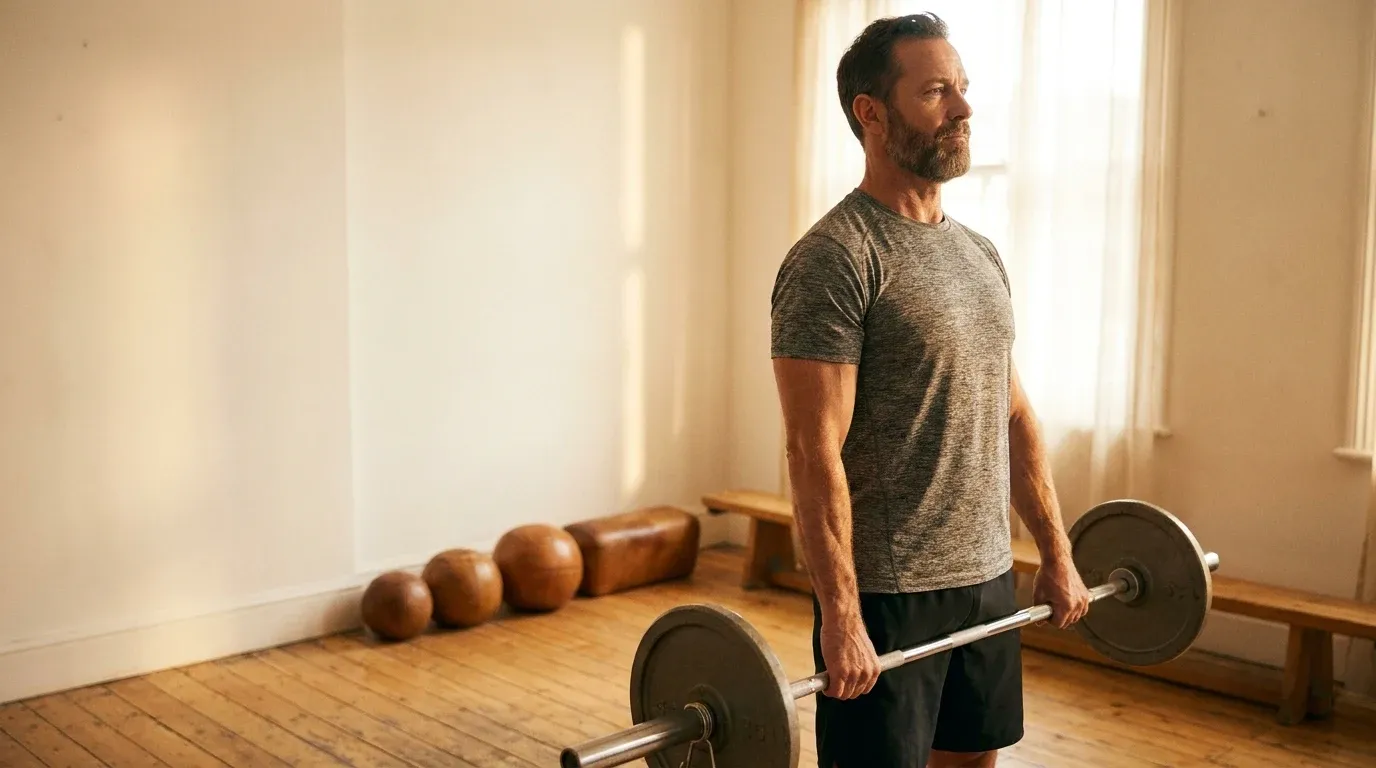
2 Hours of Lifting a Week Has Surprising Longevity Power
New research confirms that just two hours of weekly strength training can cut mortality risk by up to 27%. You're likely closer to the longevity threshold than you think.

Sprints vs. Steady Cardio: What Your Blood Actually Shows
New blood protein data from Rockefeller University reveals why brief all-out sprints may support muscle recovery and inflammation signaling better than steady cardio.

How to Add Sprints to Your Lifting Program Without Wrecking It
Sprints deliver serious molecular benefits in under 3 minutes. Here's how to add them to your lifting program without losing strength or muscle.

3 Minutes of Sprinting Beats 90 Min of Cardio Molecularly
Rockefeller University data shows 3 minutes of all-out sprinting triggers a larger molecular response than 90 minutes of cardio. Here's how lifters should program it.

Sensory Priming: The Mental Hack for Better Workouts
Science shows that scent, music, and visual cues can prime your brain for harder workouts. Here's how to build a sensory priming routine that works.

Powered by You: Why Internal Drive Is the Only One That Lasts
National Fitness Day 2026's 'Powered by You' theme is backed by real science. Here's why intrinsic motivation outlasts every external reward, and how to build it.
Fall Is the Best Time to Bulk. Here's How to Do It Right
Fall's social shift and reduced aesthetic pressure make it the ideal season for a serious hypertrophy block. Here's the full 8-to-12-week framework to do it right.

Rest Periods: Short or Long for More Muscle and Strength?
Short rests feel harder but longer rest periods consistently produce more muscle and strength. Here's what the research says and how to apply it.
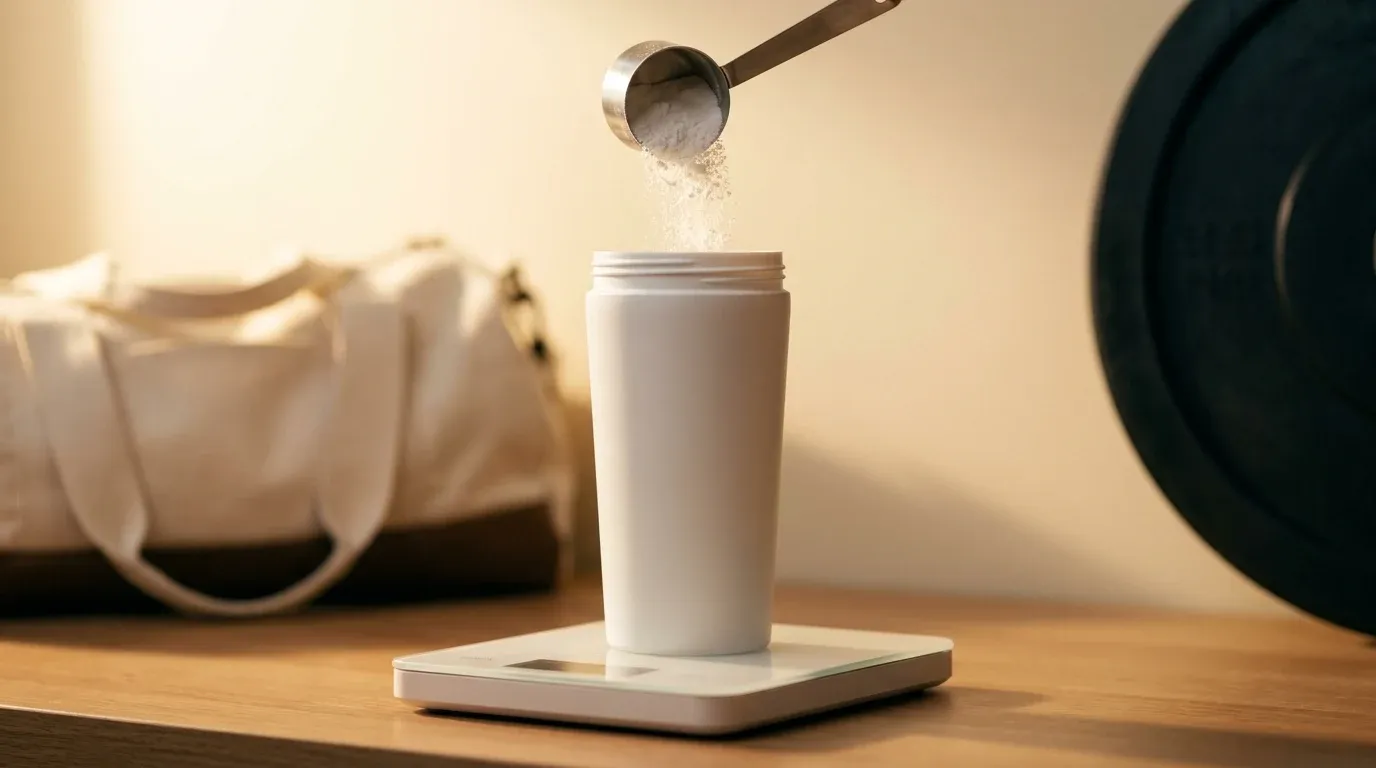
Creatine and Weight Gain: What's Actually Happening
Creatine causes scale weight to rise, but it's not fat. Here's the science behind intramuscular water retention and what to expect week by week.
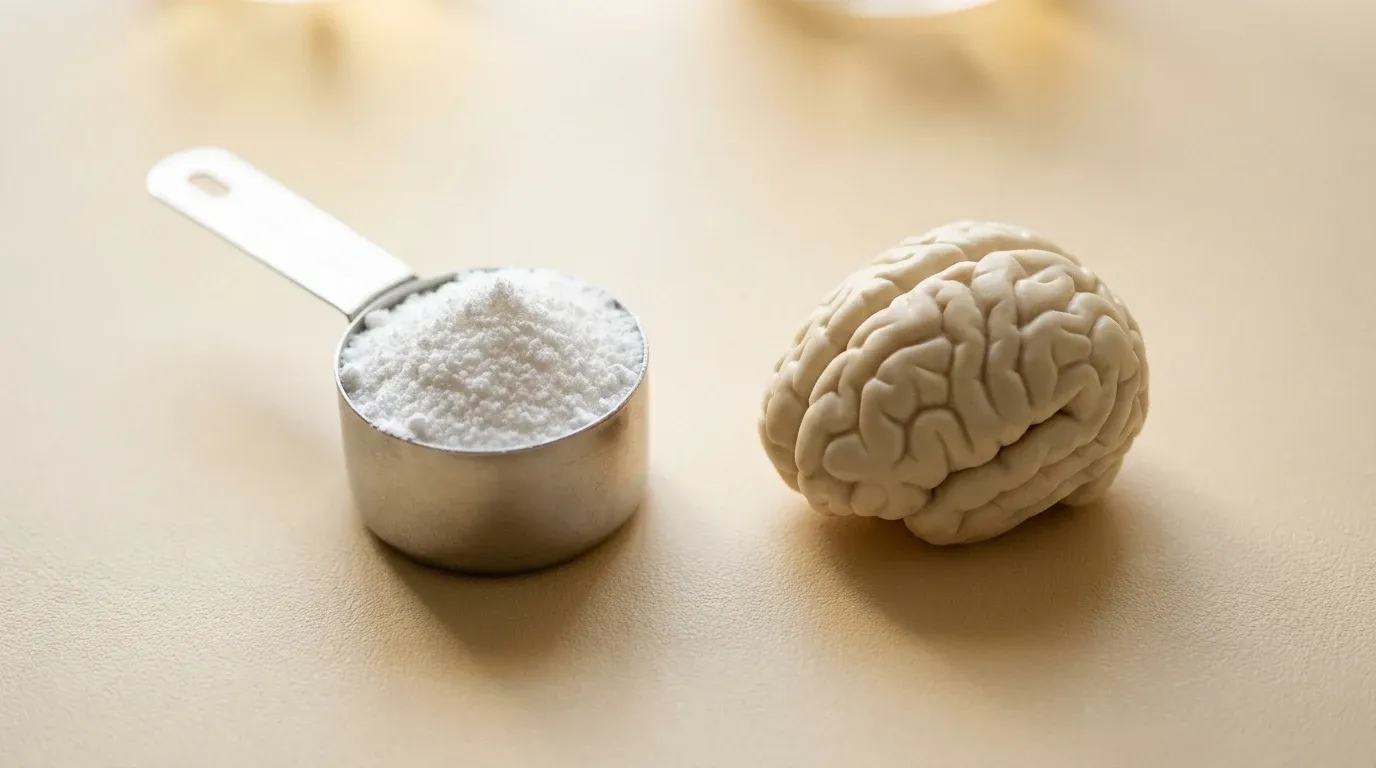
Creatine Isn't Just for Muscle: What the New Research Says
New research reframes creatine beyond muscle-building, spotlighting cognitive benefits, aging research, and the real story behind water-weight gain.

Creatine for Brain Health and Aging: The Case Is Growing
Creatine is more than a gym staple. Emerging research links it to cognitive function and muscle preservation with age, making it a serious longevity tool for lifters over 35.

Glute Training and Biomechanics: Why Most Lifters Get It Wrong
Most lifters default to squats and lunges but miss the biomechanical principles that drive real glute growth. Here's what the science actually says.

VR Workouts: Fun Gimmick or Legit Fitness Tool?
VR fitness has matured in 2026, but does it actually build real fitness? Here's what the engagement data, calorie research, and resistance limits actually tell you.
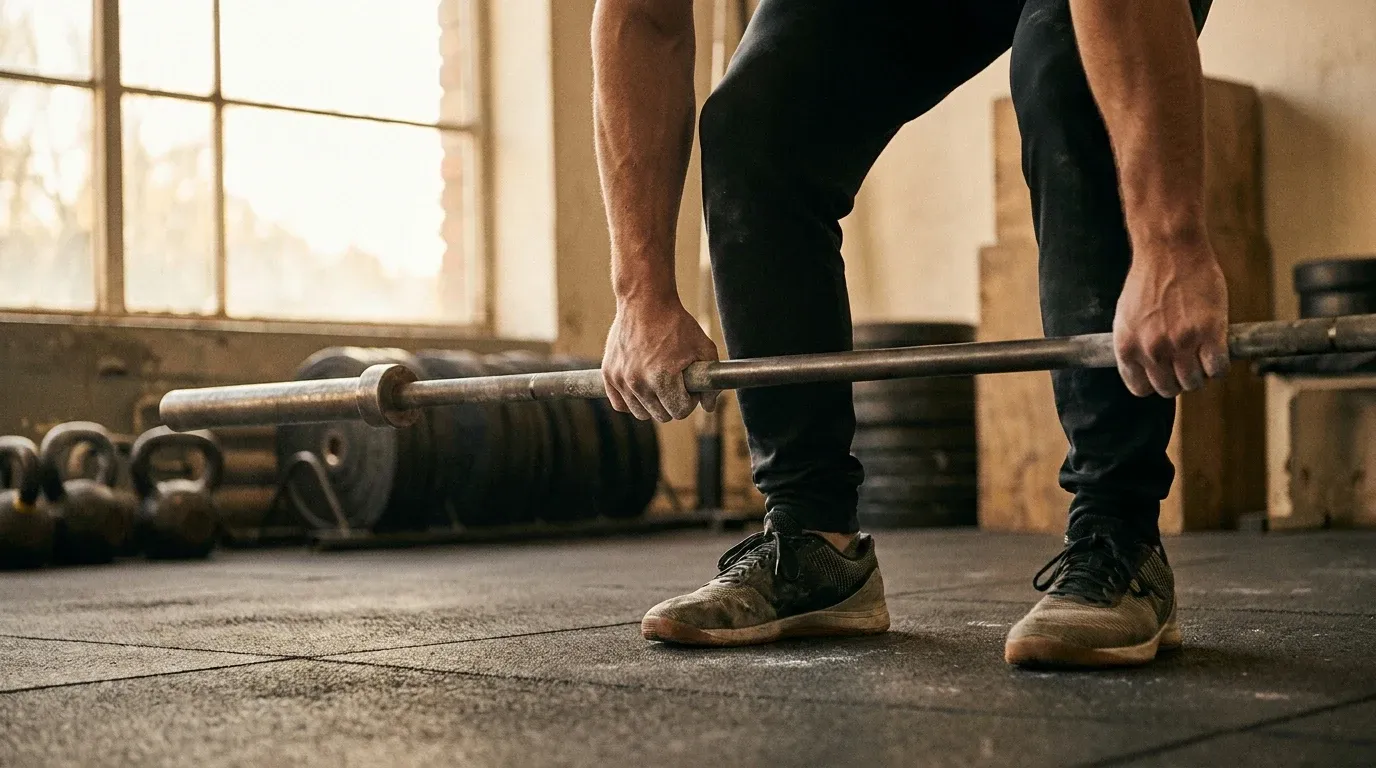
Fall Strength Reset: Get Your Program Back on Track in 4 Weeks
September is the ideal moment to reset your strength program. Here's a science-backed 4-week on-ramp for beginners, intermediates, and returning lifters.
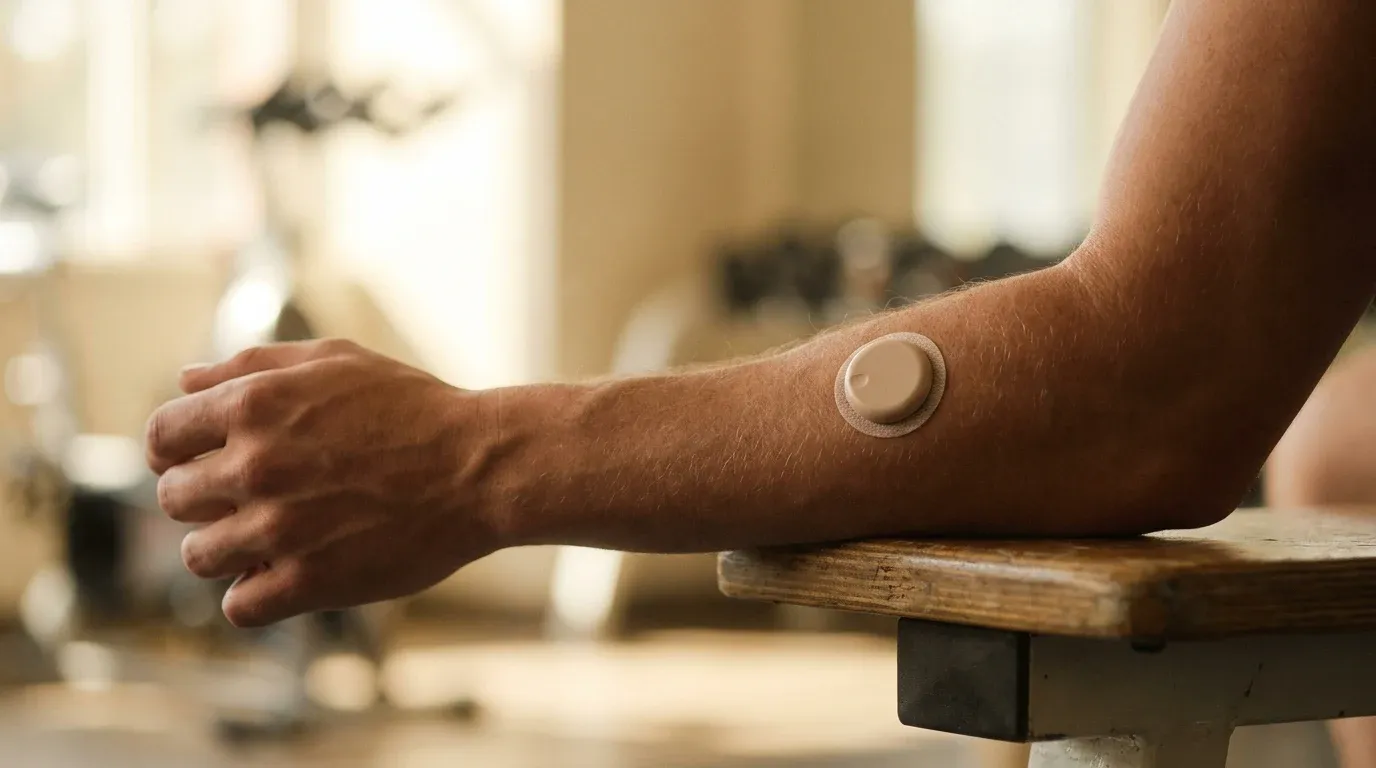
CGMs Are Now Over-the-Counter: What Lifters Should Know
OTC continuous glucose monitors are now available without a prescription. Here's what the real-time blood sugar data actually means for lifters, fueling, and body composition.