
Sports Nutrition Guides
Nutrition guides, supplement reviews, and meal prep recipes for athletes. Science-backed advice for better performance and faster recovery.
Latest articles (408)

Vegetarian Diet Burns 15% More Fat, European Study Finds
A 2026 European study found vegetarian eaters lost 15% more fat than those on a traditional diet. Here's the mechanism, the caveats, and what it means for active people.
Supplement Contamination: The Risk Every Athlete Needs to Understand
USADA's June 2026 warning confirms supplement labels can't be trusted. Here's how athletes can screen products intelligently and manage contamination risk.
Protein for Muscle Building: What the Science Actually Shows
How much protein to build muscle? Meta-analyses say 1.6-2.2g/kg per day, distributed across 3-5 meals. Here's what the science shows on dosage, timing, and source quality.

Plant-Based Weight Loss: What the Science Says Actually Works
The 2026 European fat-loss research reveals why plant-based diets work, and the exact protein and meal strategies active adults need to actually make the shift.
Legumes and Heart Health: What a New US Study Actually Shows
A new US study confirms legumes are associated with lower cardiometabolic disease risk. What it means for active people, the mechanisms explained, and how to integrate them practically.
Keto vs Carnivore for Fitness: What the 2026 Data Shows
A 2026 study compared keto and carnivore diets in trained athletes across strength, endurance, body composition, and adherence. Here's what the data actually shows.
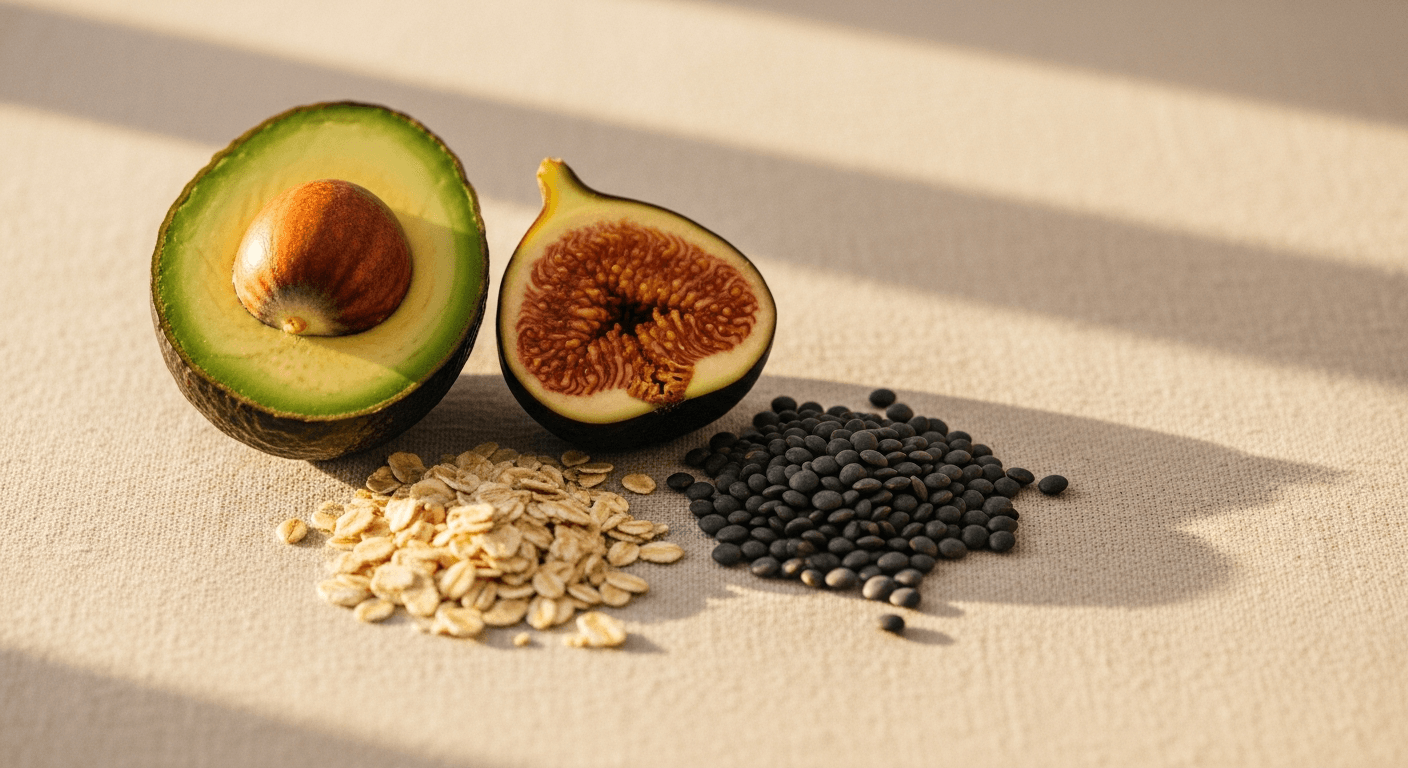
Dietary Fiber in 2026: What the New Research Confirms
2026 research confirms diverse dietary fiber benefits for gut microbiome health. Soluble vs insoluble, best food sources, recommended intake, and timing strategy for athletes.
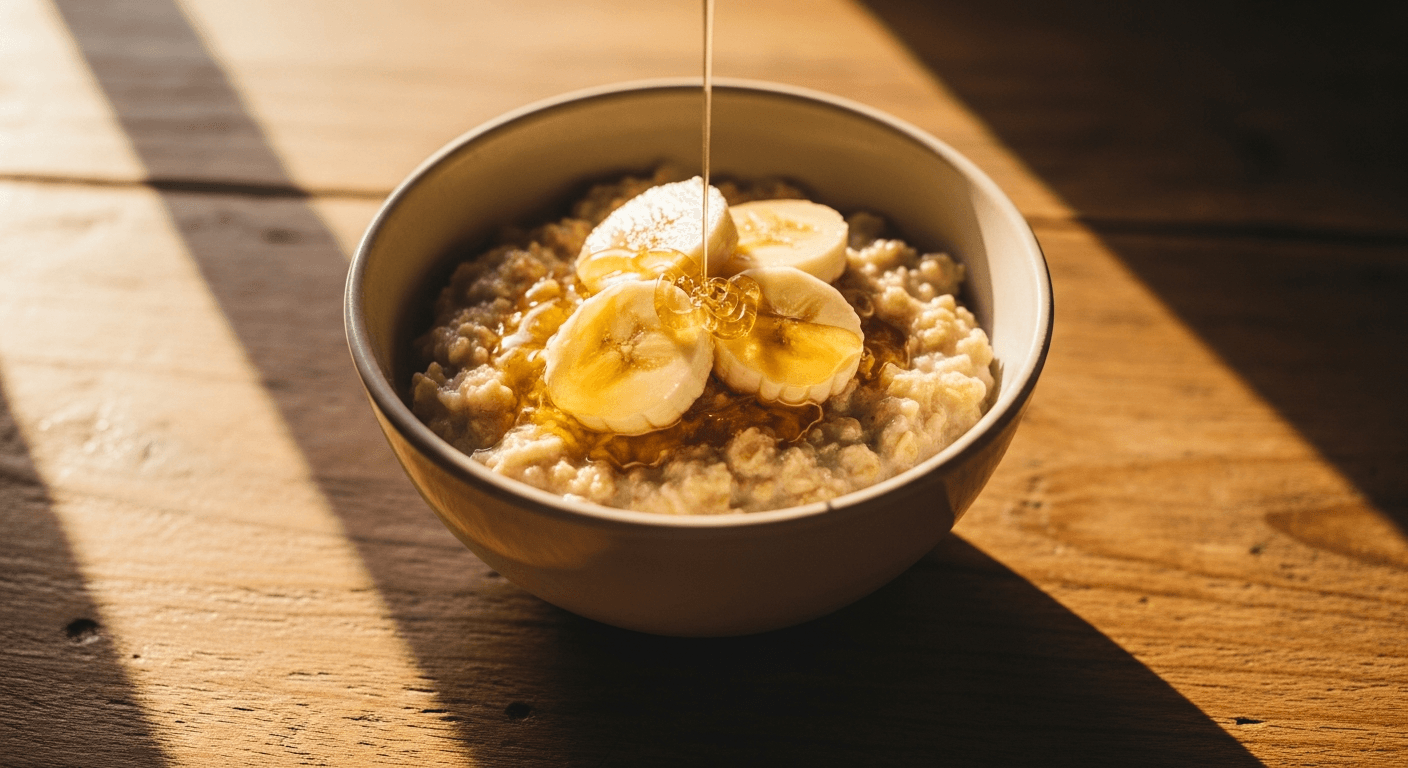
Fasted Training Is Out: What Coaches Actually Recommend Now
Coaching consensus has shifted away from fasted morning training. Here's what the evidence now supports for fueling, performance, and hormonal health.
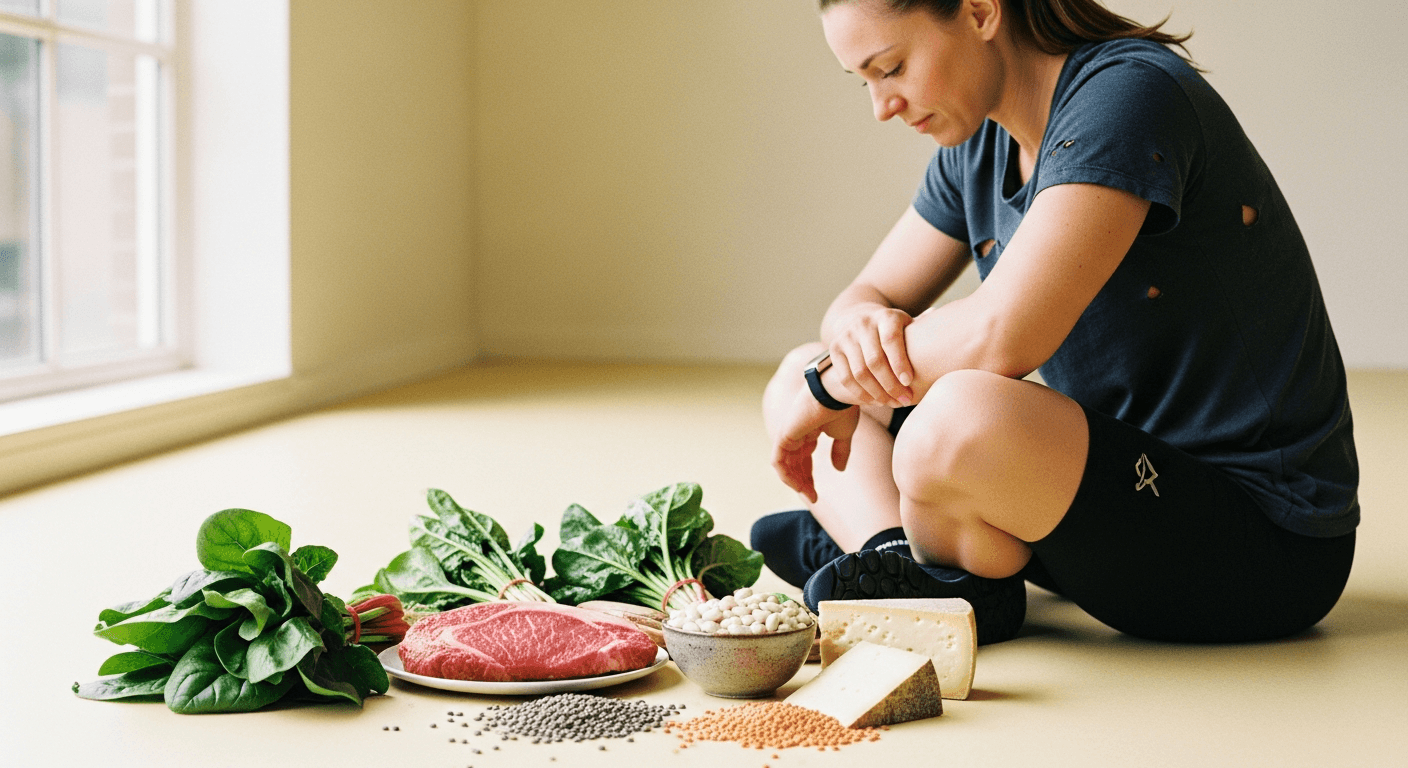
Nutrition for Female Athletes: What's Actually Different From Men
Most sports nutrition research was done on men. This guide covers female athletes' real needs: iron (18mg/day), protein, cycle-phase nutrition adjustments, and the often-ignored RED-S risk.

Gels, Bars, and Whey: Are Sports Nutrition Products Bad for You?
A sports doctor and dietitian break down when energy gels, protein bars, and whey help performance — and when daily use quietly harms your gut and metabolic health.
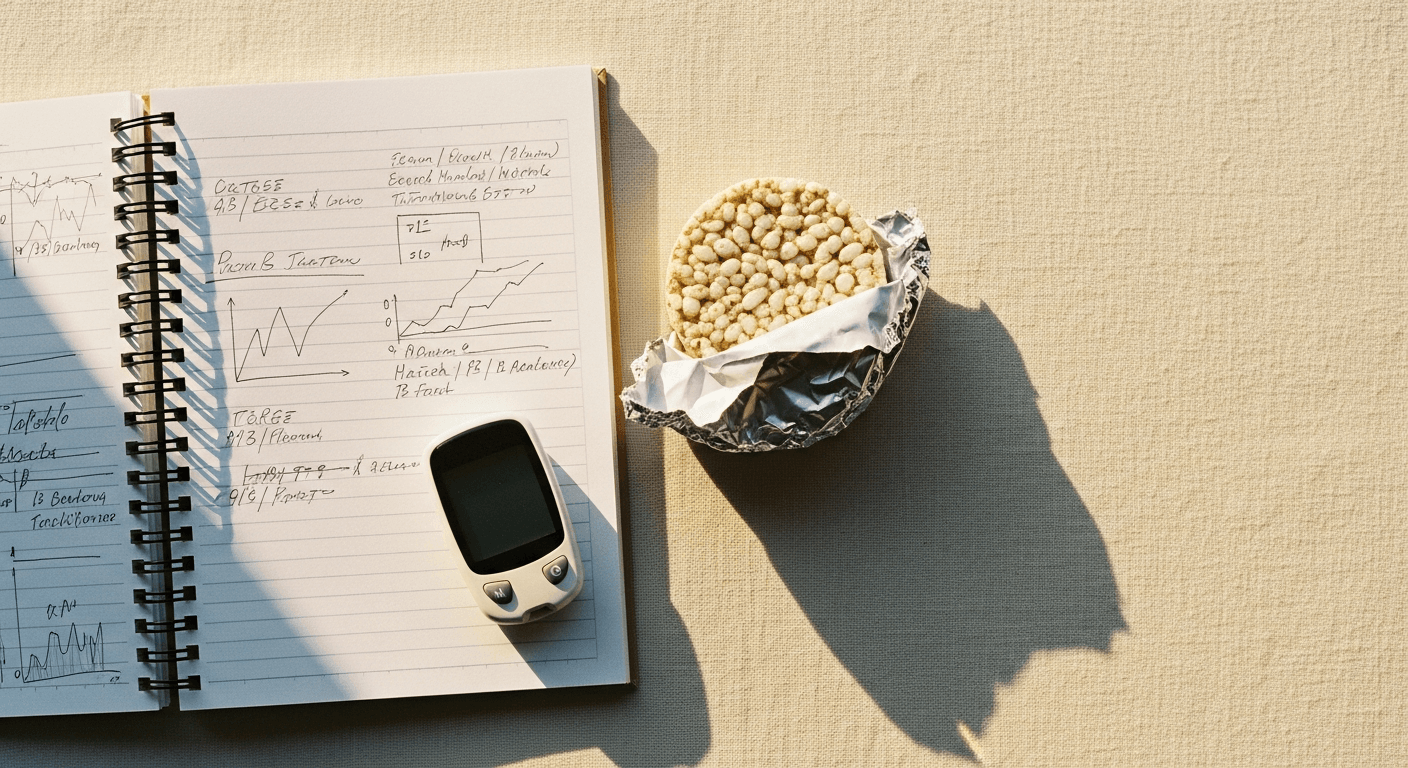
From Instinct to Science: Romain Bardet's Nutrition Evolution
Romain Bardet's shift from gut-feel to data-driven nutrition offers endurance athletes a practical framework: carb periodization, gut training, and timed protein recovery.

Pre-Workout Hydration: Necessary or Overhyped?
New Swiss Sports Nutrition Society research challenges blanket pre-workout hydration rules, revealing the three variables that should actually guide your fluid intake before training.
Organic Food and Athletic Performance: What the Evidence Shows
The organic food performance link is heavily marketed but the direct evidence is limited. Here's where the science actually supports organic choices for athletes.

Oral Semaglutide in 2026: What GLP-1 Pills Mean for Nutrition
Oral GLP-1 pills remove the injection barrier. But the nutritional risk remains real: 30-40% of weight lost can be lean mass without adequate protein guidance. What coaches and nutritionists need to know.

Methionine and Immunity: What a Salk Institute Study Reveals About Surviving Infections
A Salk Institute study (June 2026) shows methionine — an amino acid in eggs and meat — dramatically improves survival in severe infections (mouse model). What this early research means for diet and immunity.

The Biggest Collagen Study: What Actually Works
The largest collagen study to date reveals which forms, doses, and timing protocols actually deliver results for skin, joints, and athletic recovery.
Protein in Summer Heat: Why Your Needs Change and How to Hit Your Targets
Summer heat increases protein catabolism 10-15% and reduces muscle synthesis efficiency. Practical adjustments for keeping your gains: targets, liquid sources, and timing.
GLP-1 Companion Supplements: The Category Growing 124% Annually From Ozempic's Nutrition Gaps
GLP-1 medications create real nutrition gaps. The companion supplement category is growing 124% annually. Here's what's evidence-backed vs. hype — and what actually matters.
Vitamin D Deficiency After 50: Why It's So Common and How to Fix It
Vitamin D deficiency is nearly structural after 50 — skin synthesis drops 75%. Updated 2026 guidelines, D3 vs D2, K2 combination, and how to act on your blood levels.
Protein and Muscle After 50 in Women: What the New Clinical Trial Confirms
RCT: 15g daily protein in 70 women aged 50-80 significantly improves muscle strength and function — especially combined with physical activity. Results, timing findings, and practical implications.

Ultra-Processed Foods: It's How They're Made, Not Just What's in Them
New research suggests industrial manufacturing processes, not just ingredients, drive the health risks of ultra-processed foods. Here's what that means for athletes.

Race Day Nutrition in Summer Heat: The Exact Protocol
Racing in summer heat demands a fundamentally different nutrition protocol. Here's exactly how to adjust your fueling, electrolytes, and timing when temperatures rise.
GLP-1 and Protein: How to Stop Losing Muscle on Ozempic
GLP-1 users can lose 25–40% of weight from muscle, not fat. Here's the protein strategy to stop it.
EPA vs DHA: What's the Difference for Endurance Athletes?
A 2025 study compared EPA-rich vs DHA-rich omega-3 in endurance athletes. Both lower heart rate. Only EPA changes the respiratory exchange ratio. What that means for training.