
Sports Nutrition Guides
Nutrition guides, supplement reviews, and meal prep recipes for athletes. Science-backed advice for better performance and faster recovery.
Latest articles (406)
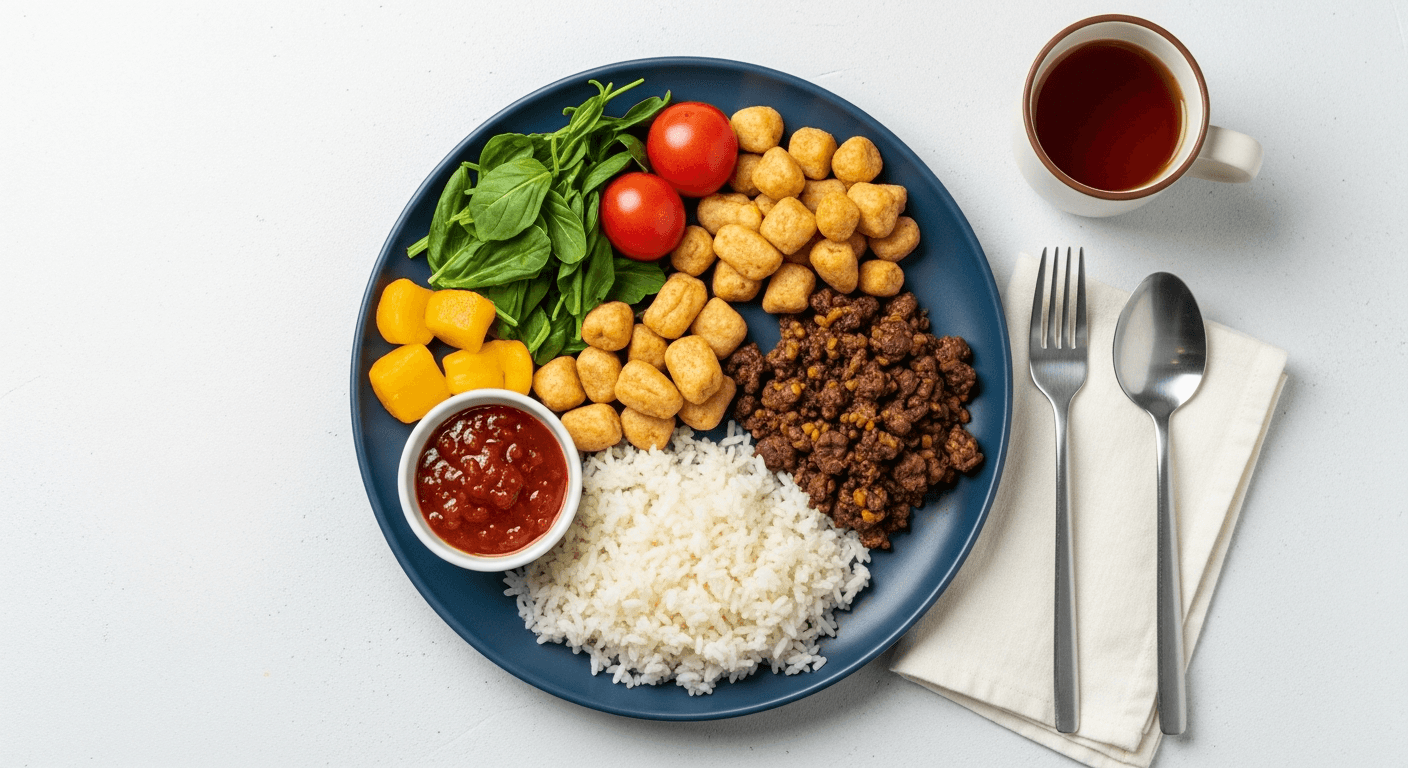
2026-2030 Dietary Guidelines: What Actually Changes
The 2026-2030 Dietary Guidelines align closely with Mediterranean eating, but active adults need to know where the guidance falls short for training and performance.
Multivitamins and Aging: What the Science Actually Says
The COSMOS study suggested multivitamins slow biological aging, but experts are pushing back. Here's what the data actually proves, and what it doesn't.
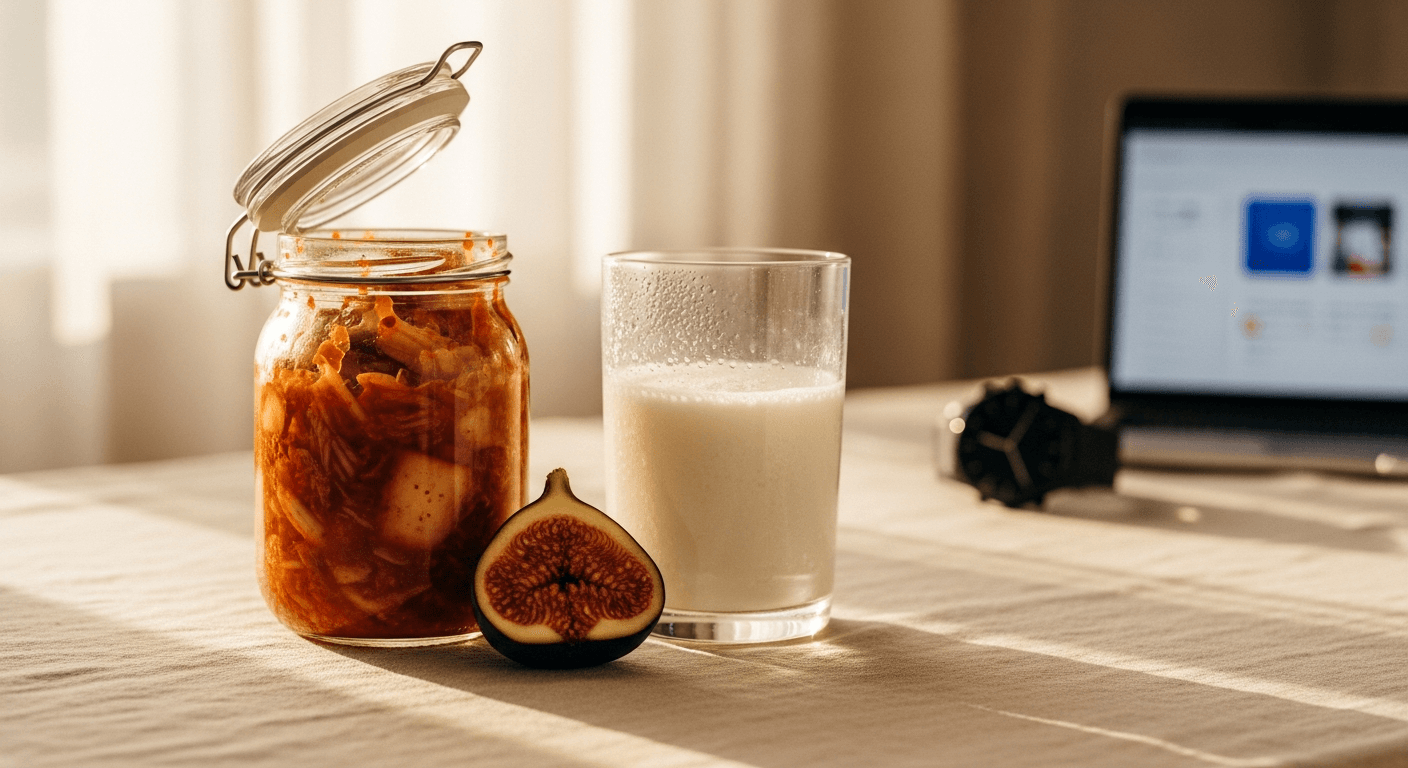
Gut Health and Athletic Performance: What the Evidence Shows
Your gut microbiome directly shapes recovery speed, endurance, and inflammation. Here's what the 2026 evidence says athletes should actually do about it.
5 Nutrition Lessons From April 2026 Worth Keeping
April 2026 delivered sharper nutrition research on meal timing, ultra-processed food risks, and personalized supplementation. Here are the 5 findings worth acting on.
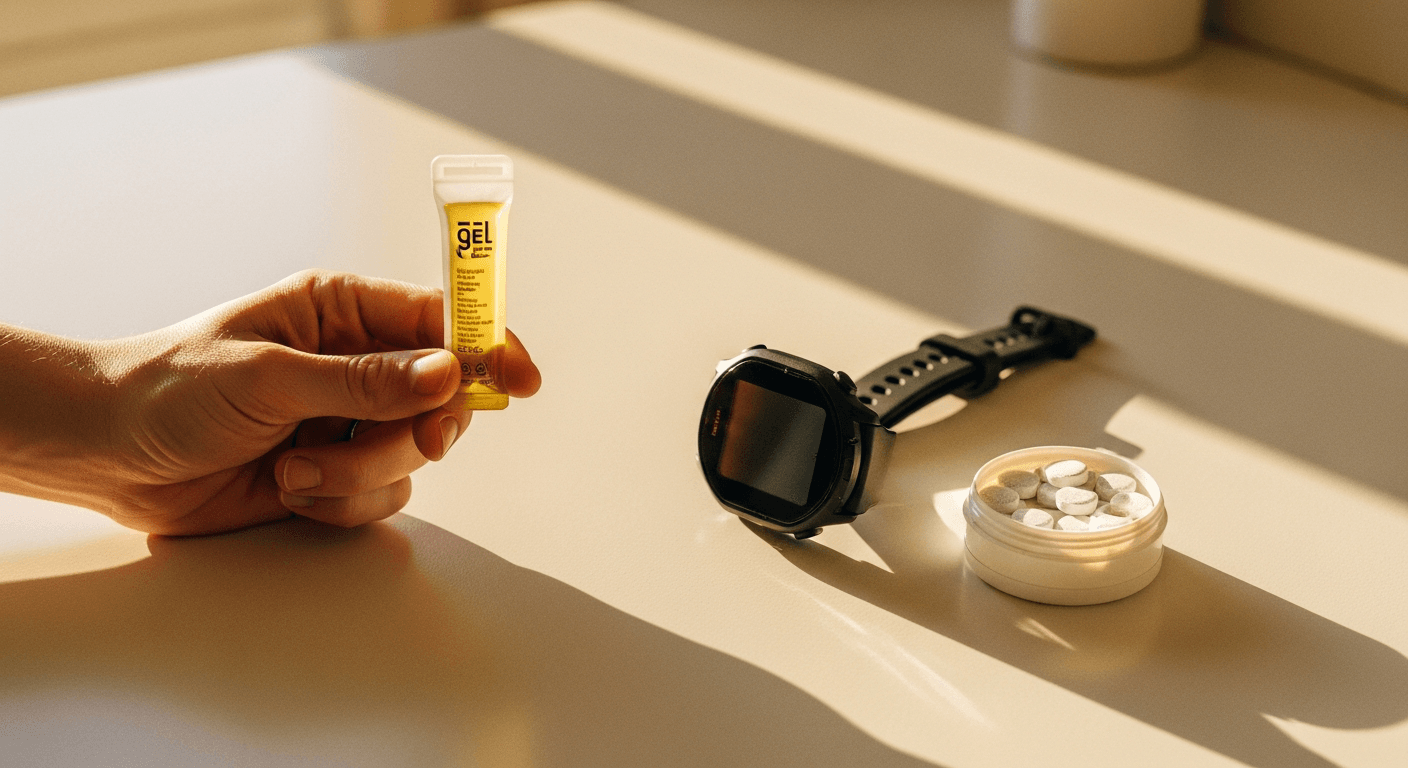
Long-Duration Sports Nutrition: What Actually Works
Long-duration endurance fueling has moved beyond carb loading. Here's what the evidence actually supports for athletes training 60 minutes or more.

Protein Timing: Does It Actually Matter for Muscle?
Total daily protein intake drives muscle gains, but timing still matters in specific scenarios. Here's what 2026 research says about when it counts.
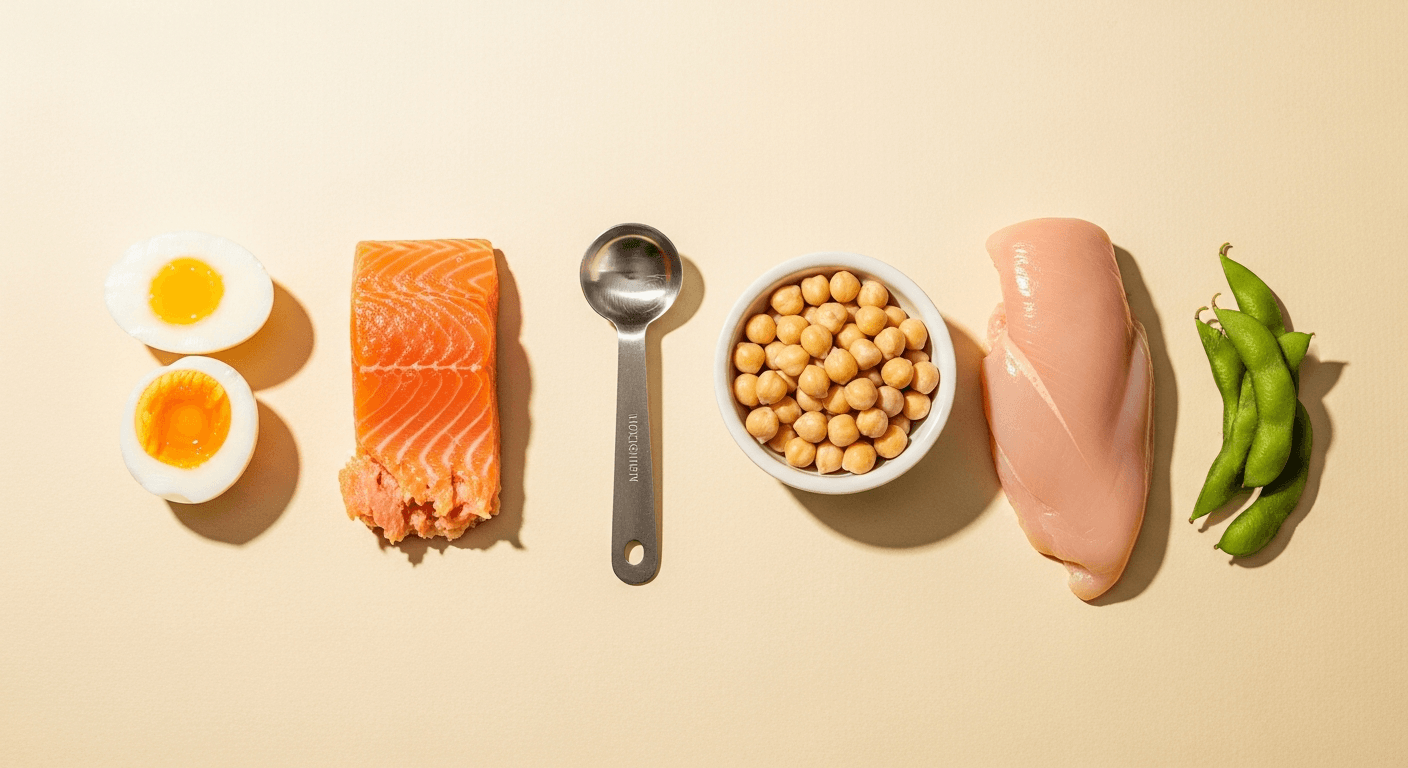
Protein: Why the New 2025-2030 Guidelines Target 1.2 to 1.6 g/kg
The 2025-2030 US Dietary Guidelines just raised protein recommendations to 1.2-1.6 g/kg. Here's the science behind one of the biggest nutrition updates in decades.
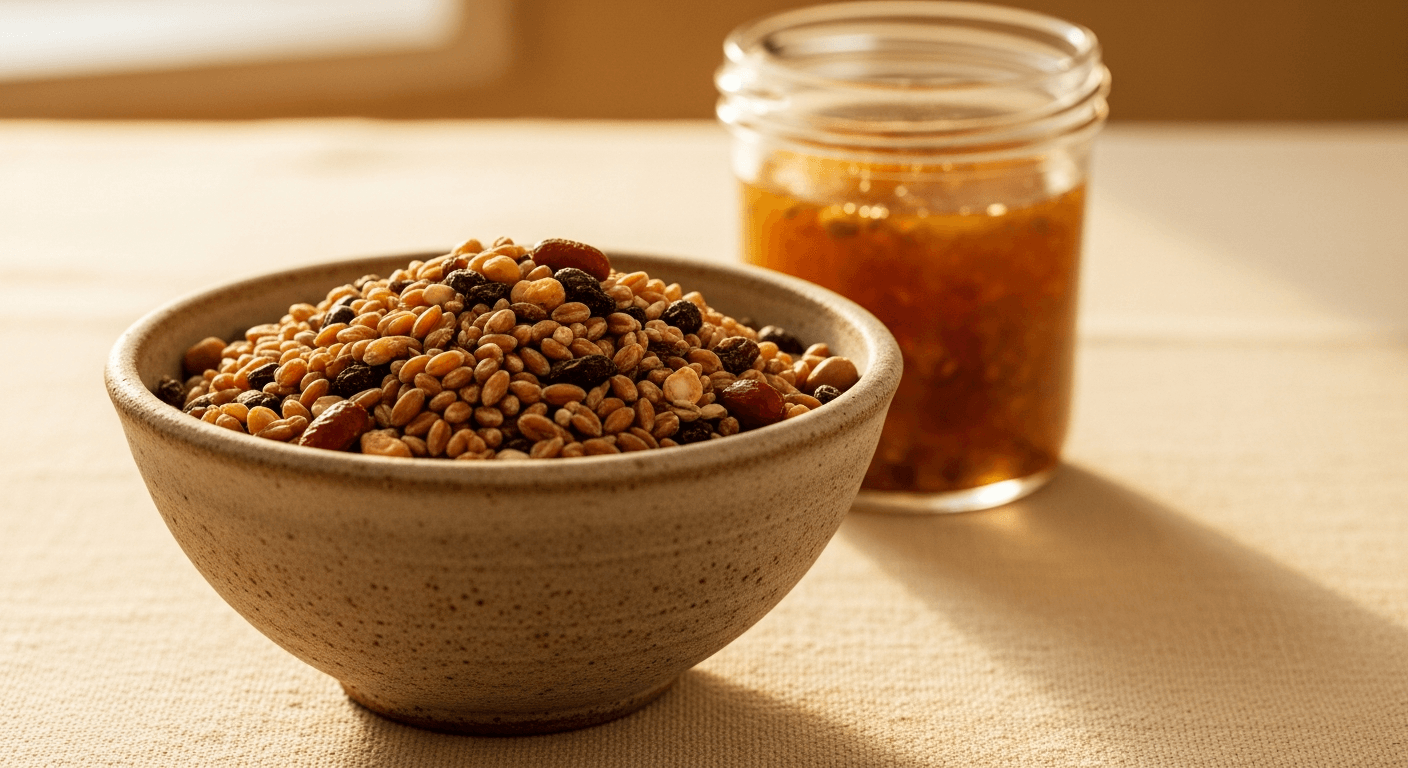
What Traditional Food Systems Teach Modern Nutrition Science
New research reveals how traditional food systems maintained nutrient adequacy without modern abundance. Here's what ancestral eating patterns get right and how to apply those principles today.
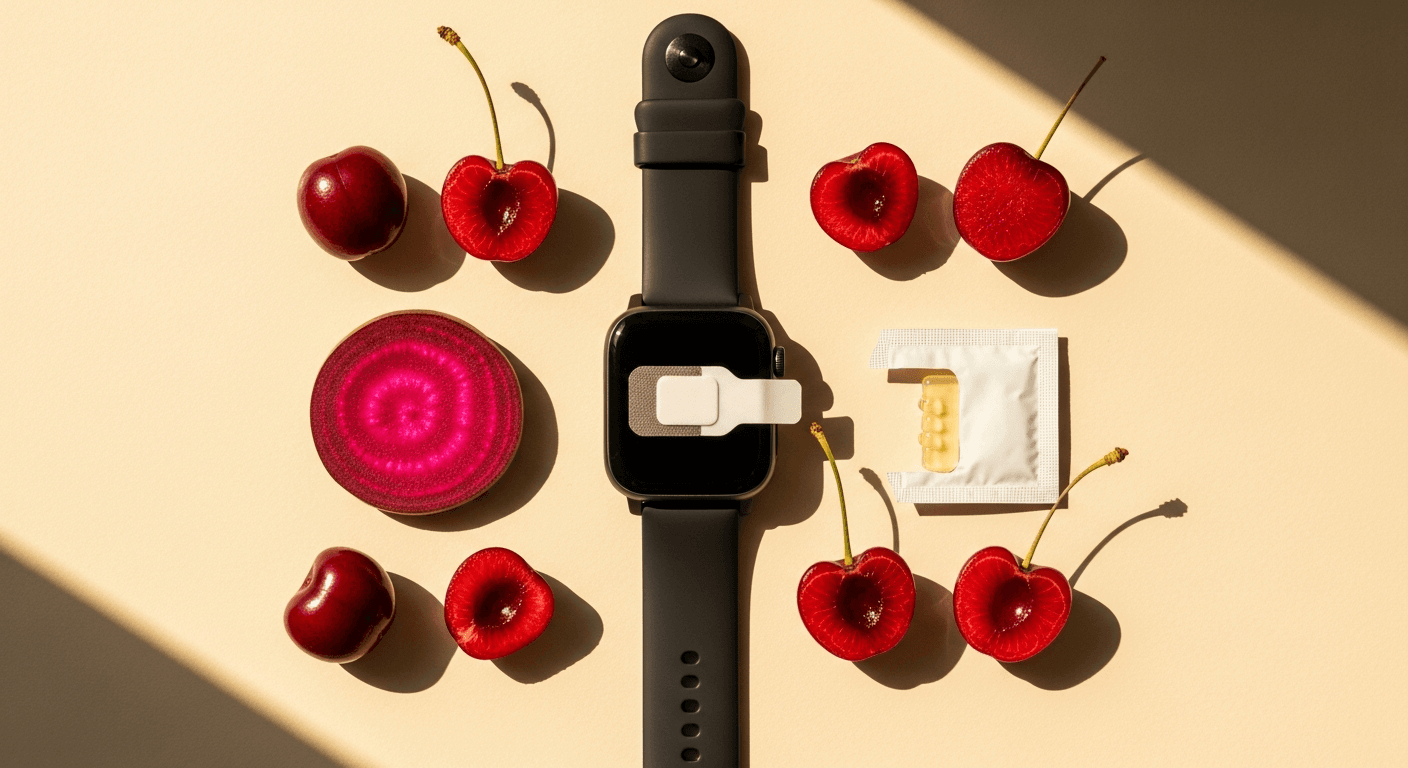
Sports Nutrition in 2026: What's Actually Working Now
Sports nutrition in 2026 is moving beyond basics. Timing, food quality, wearable biomarkers, and recovery strategy are now where real performance gains are made.

Plant-Based Diets and Inflammation: What the Science Says
A major RCT review shows plant-based diets cut CRP inflammation by 1.13 mg/L vs. omnivorous diets. Here's what the data actually proves.

Plant-Based Eating Plus Exercise: The Anti-Inflammatory Combo
A new RCT review confirms combining plant-based eating with exercise reduces CRP by 1.13 mg/L. Here's how to apply that finding without sacrificing protein or performance.
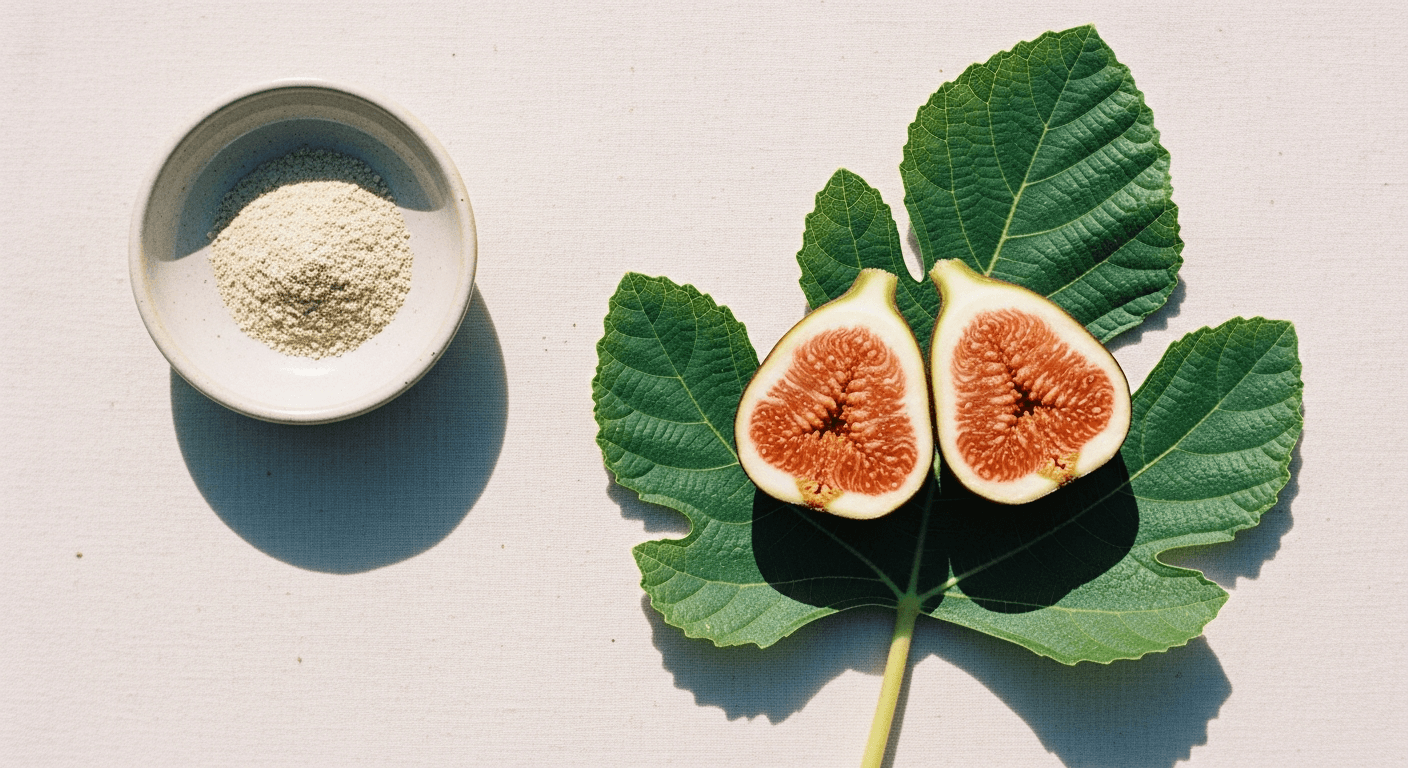
Fig Leaf Extract: What the 2026 Science Actually Says
A rigorous 2026 multi-method study tested fig leaf extract for anti-inflammatory and anti-diabetic effects. Here's what the science actually supports.
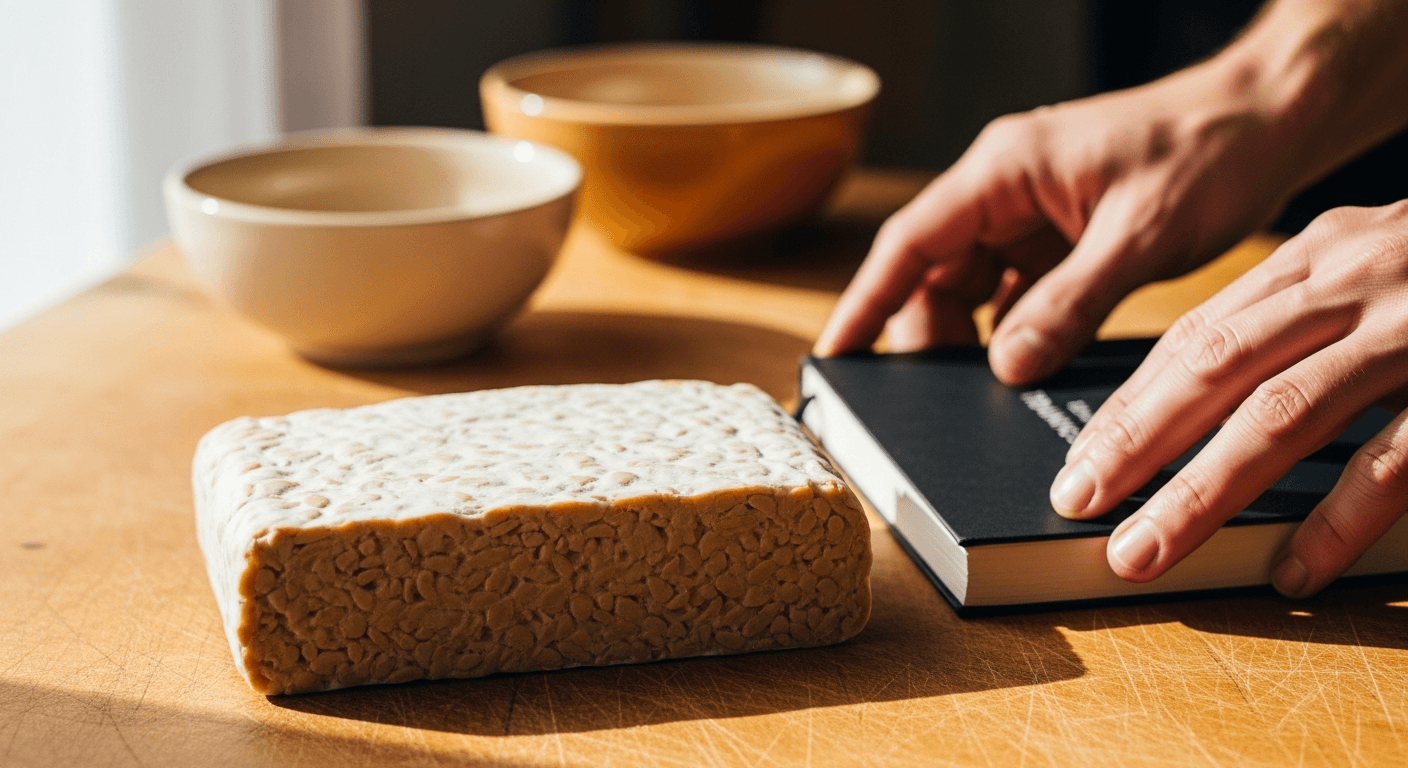
Fermented Foods for Athletes: The Practical 2026 Guide
New fermentation science confirms that sourcing and processing matter. Here's how athletes can use tempeh, kefir, kimchi, and more for real gut and performance gains.
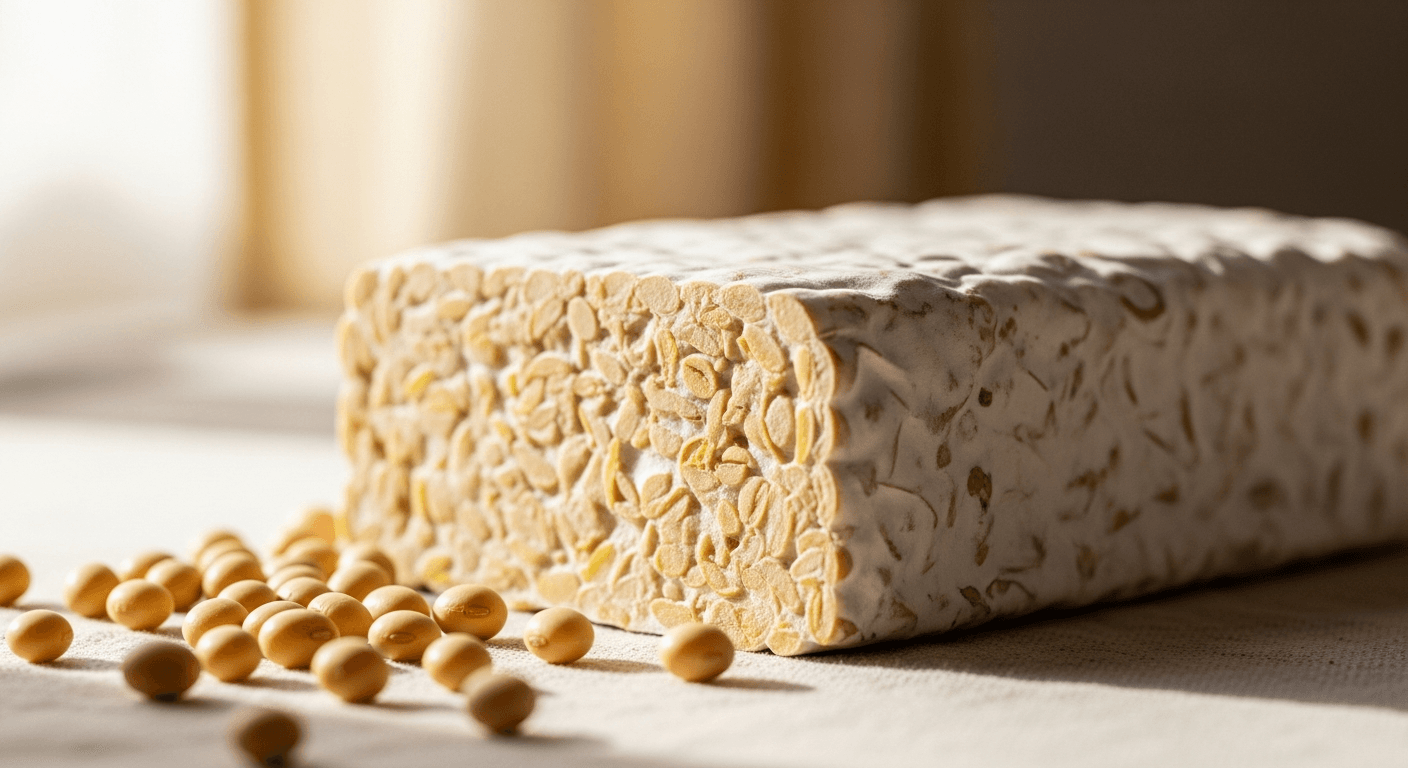
Why Fermentation Time Changes Tempeh's Nutrition
New research shows fermentation duration directly alters tempeh's amino acid profile and carb content. Here's what that means for your protein intake.
CRP: The Inflammation Marker You Need to Understand
CRP is a blood inflammation marker that predicts cardiovascular risk and responds directly to diet and lifestyle. Here's what your number means and how to shift it.
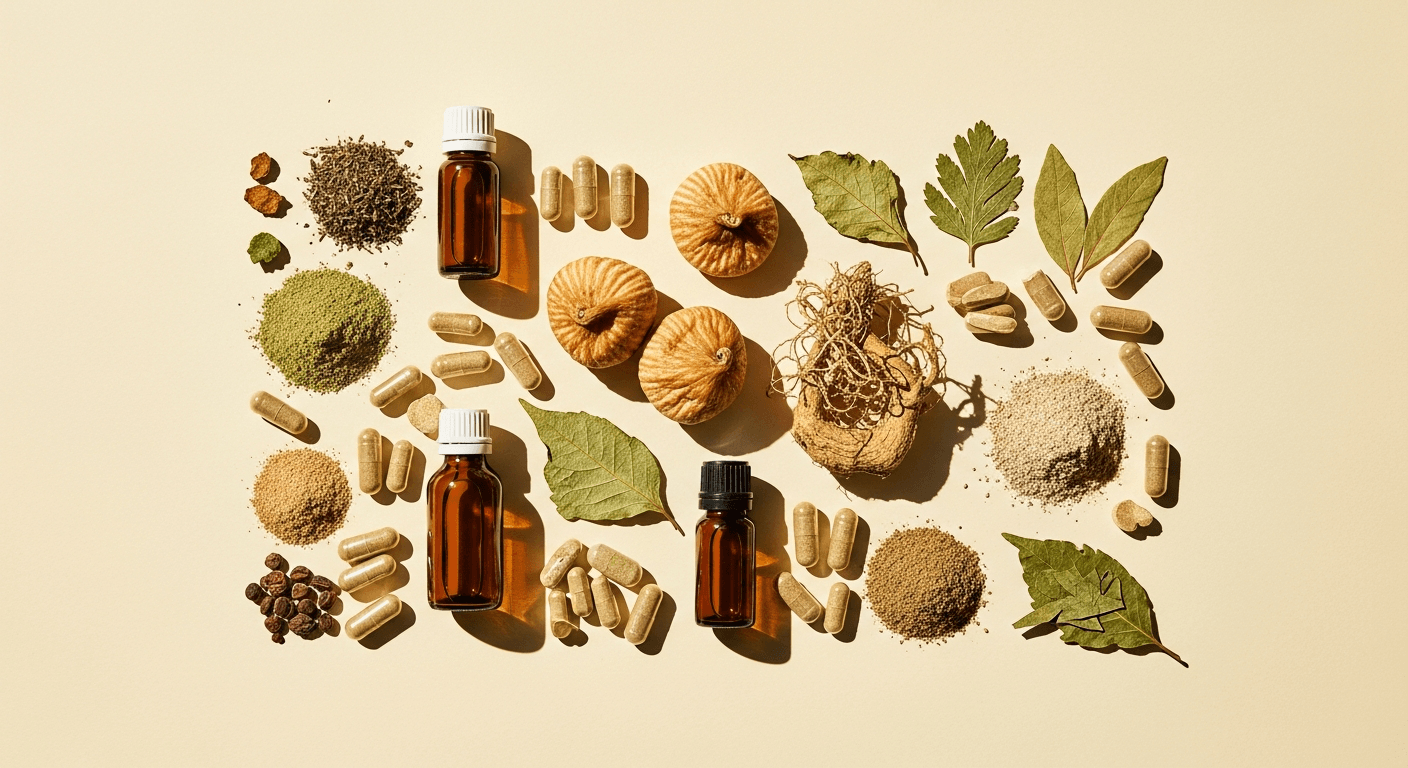
Botanical Supplements in 2026: What Science Actually Backs
From fig leaf to shatavari, 2026 botanical supplements are audited against multi-method research standards. Here's what's backed and what's still hype.
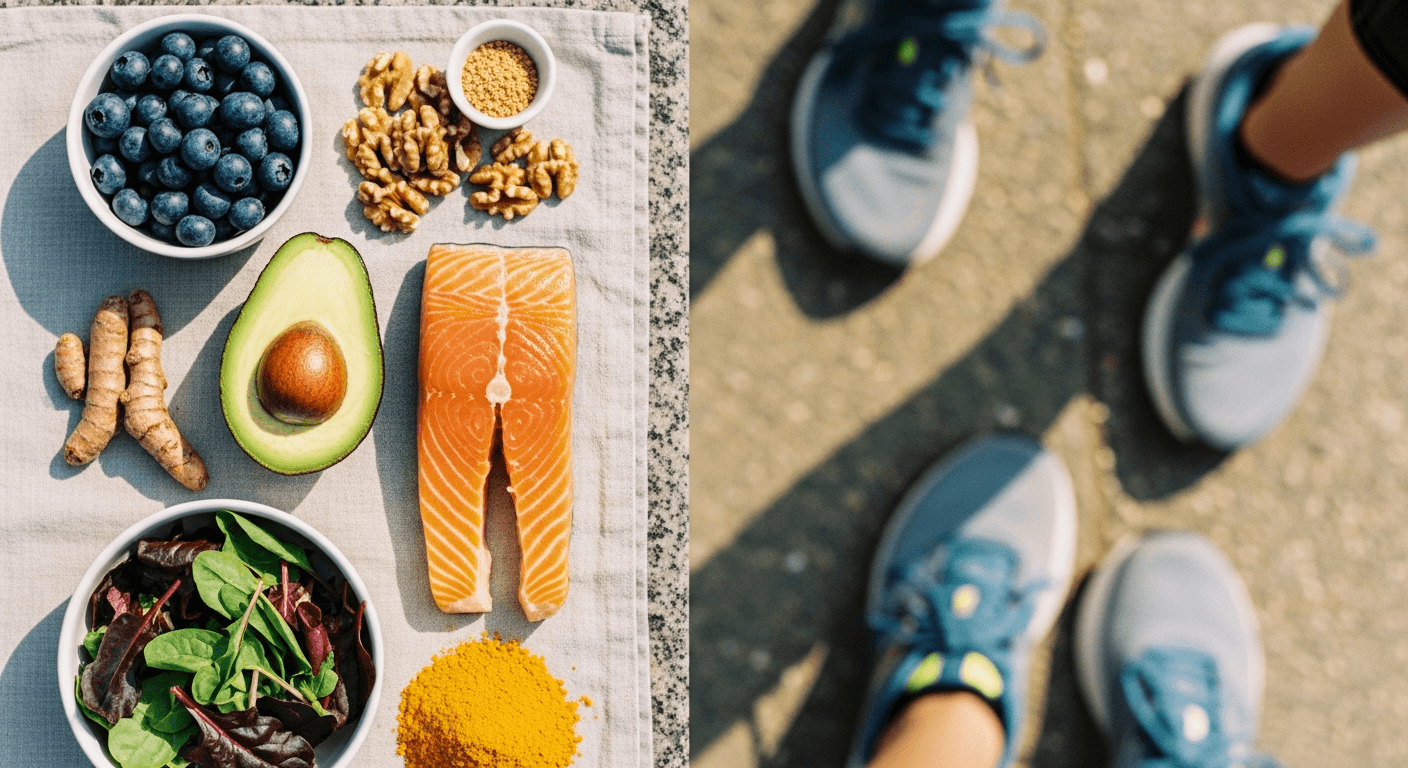
Anti-Inflammatory Eating for Athletes: What Actually Works
A new RCT review shows diet alone can cut CRP by 1.13 mg/L. Here's how athletes can reduce inflammation without sacrificing performance nutrition.
Vitamin B3 and NK Cells: What the New Study Means
A University of Minnesota study links Vitamin B3 to enhanced NK cell activity. Here's what that means for everyday supplement decisions.
Ultra-Processed Food and Muscle: The Real Impact on Strength
Emerging research links ultra-processed foods to lower muscle strength and lean mass, independent of calories. Here's what that means if you train.
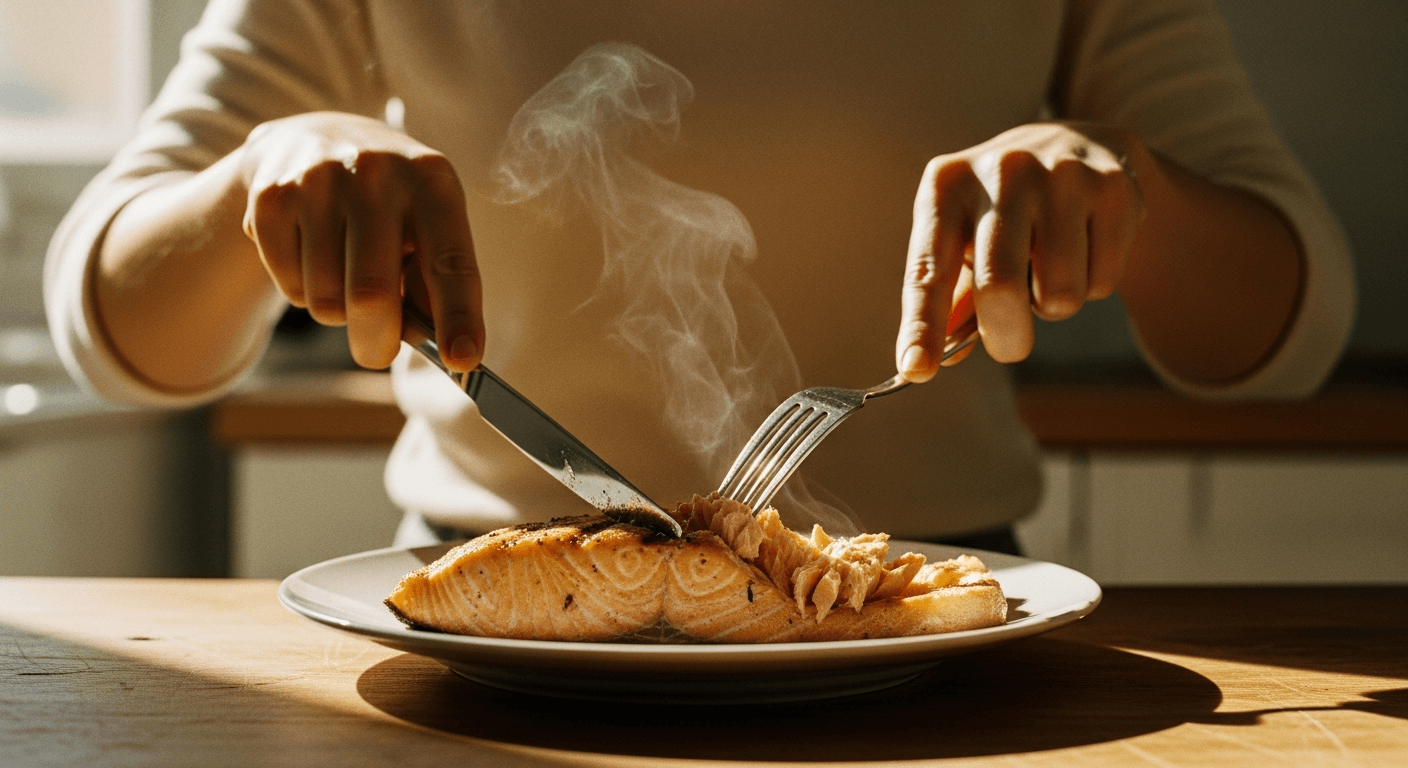
Protein for Women: The No-BS Practical Guide
Women who train regularly need 1.6–2.2g of protein per kg daily. Here's what the latest research says about timing, plant sources, and cycle-specific needs.

Eat Right Before Surgery: What the JACS Review Proves
A JACS review confirms that structured nutrition and exercise before surgery cuts complications and shortens hospital stays. Here's the practical protocol.
Niacin vs. Niacinamide vs. NMN: Which Form Do You Need?
Niacin, niacinamide, and NMN are all forms of Vitamin B3, but each targets different outcomes. Here's how to match the right form to your actual health goal.
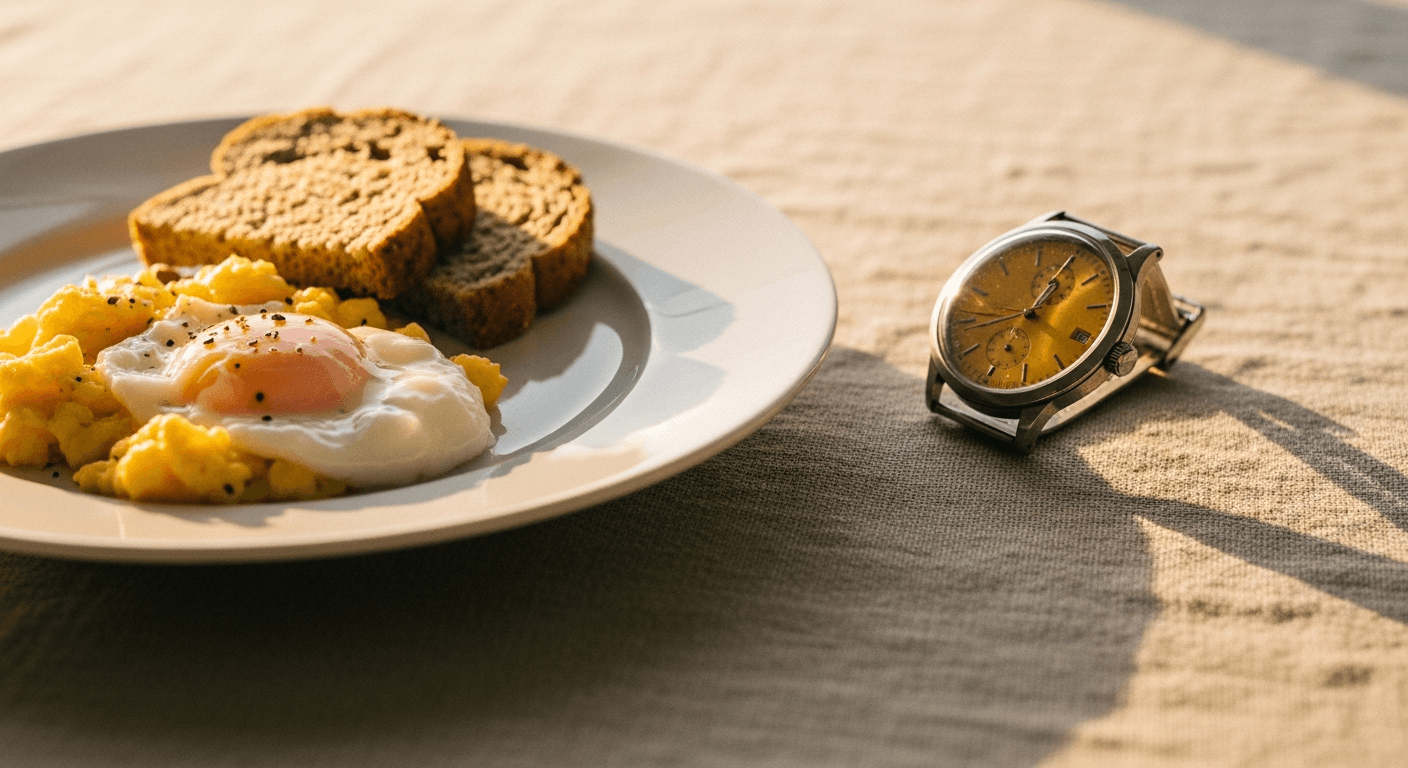
Eating With Your Body Clock: What Chrono-Nutrition Shows
Chrono-nutrition research shows when you eat shapes metabolic outcomes. Here's what the evidence actually supports and how to apply it.
Magnesium and Sleep: What the New Study Actually Shows
A new study links magnesium to better sleep, but the design limitations and mixed evidence base mean the headlines are getting well ahead of what the data actually supports.