
Wellness & Recovery Guides
Sleep optimization, stress management, and mobility guides for active people. Science-backed wellness strategies to help you recover and perform better.
Latest articles (539)
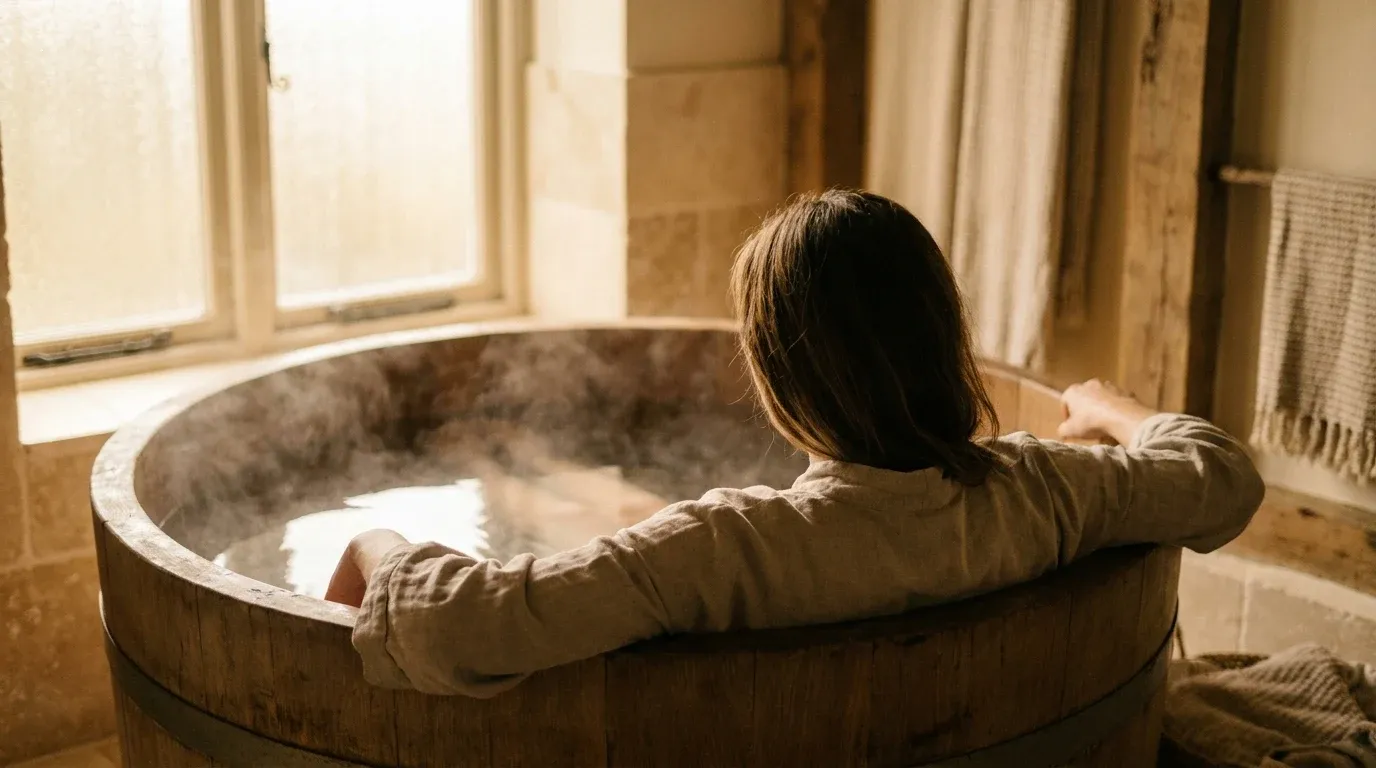
Hot Water Beats Cold Plunges for Muscle Recovery
New research shows hot water immersion outperforms cold plunges for muscle recovery. Here's what the science says and how to use heat therapy effectively.

Circadian Depression: A Distinct Type Science Just Named
New research names circadian depression as a distinct subtype affecting 1 in 4 people with severe depression. Sleeping too much but waking exhausted? Your body clock may be the issue.

Loneliness Is as Deadly as Smoking. Here's the Science
Chronic loneliness raises mortality risk by 26%, triggers measurable inflammation, and suppresses immunity. Here's the biological science behind the claim.
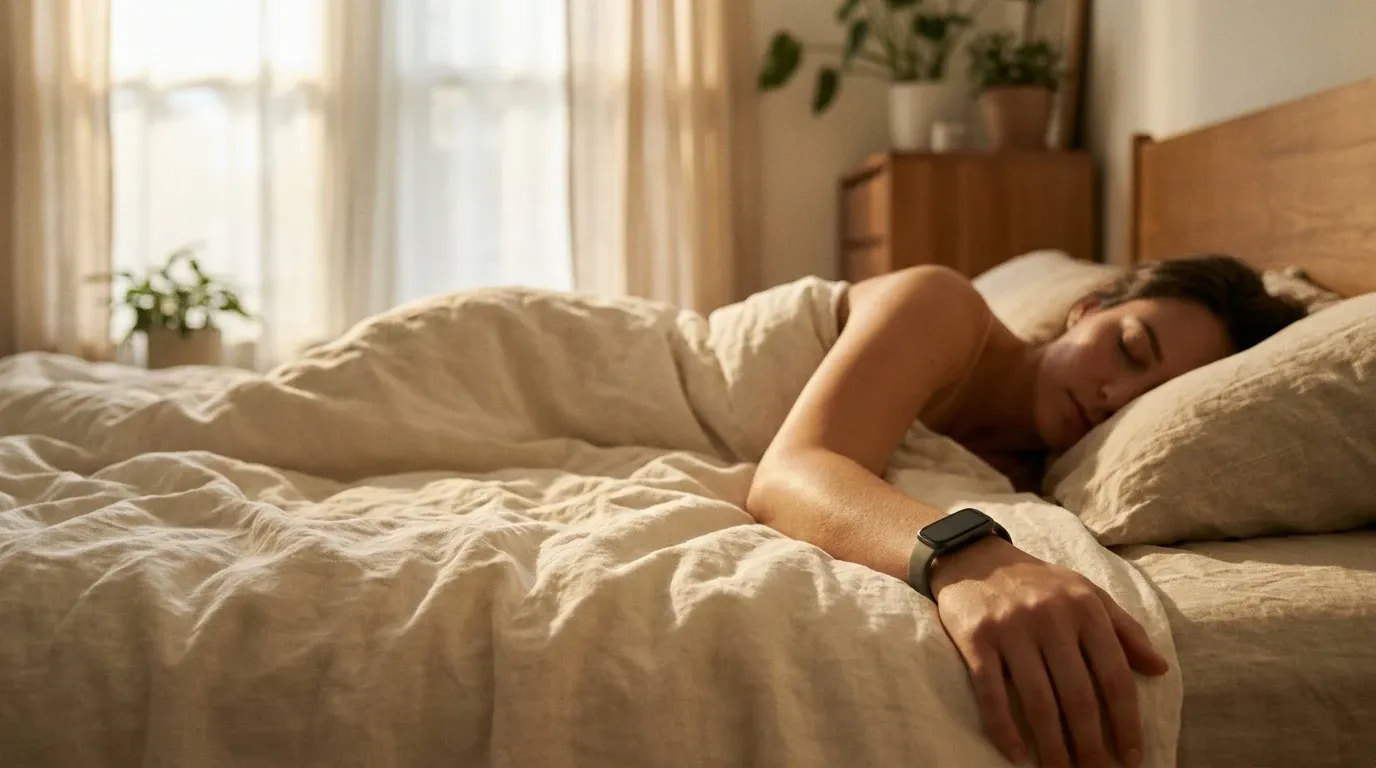
Your Sleep Reveals Your Heart Health: What to Do About It
Two new studies link sleep patterns to cardiovascular risk a decade early. Here's how to act on that science, from your bedroom setup to your doctor's office.
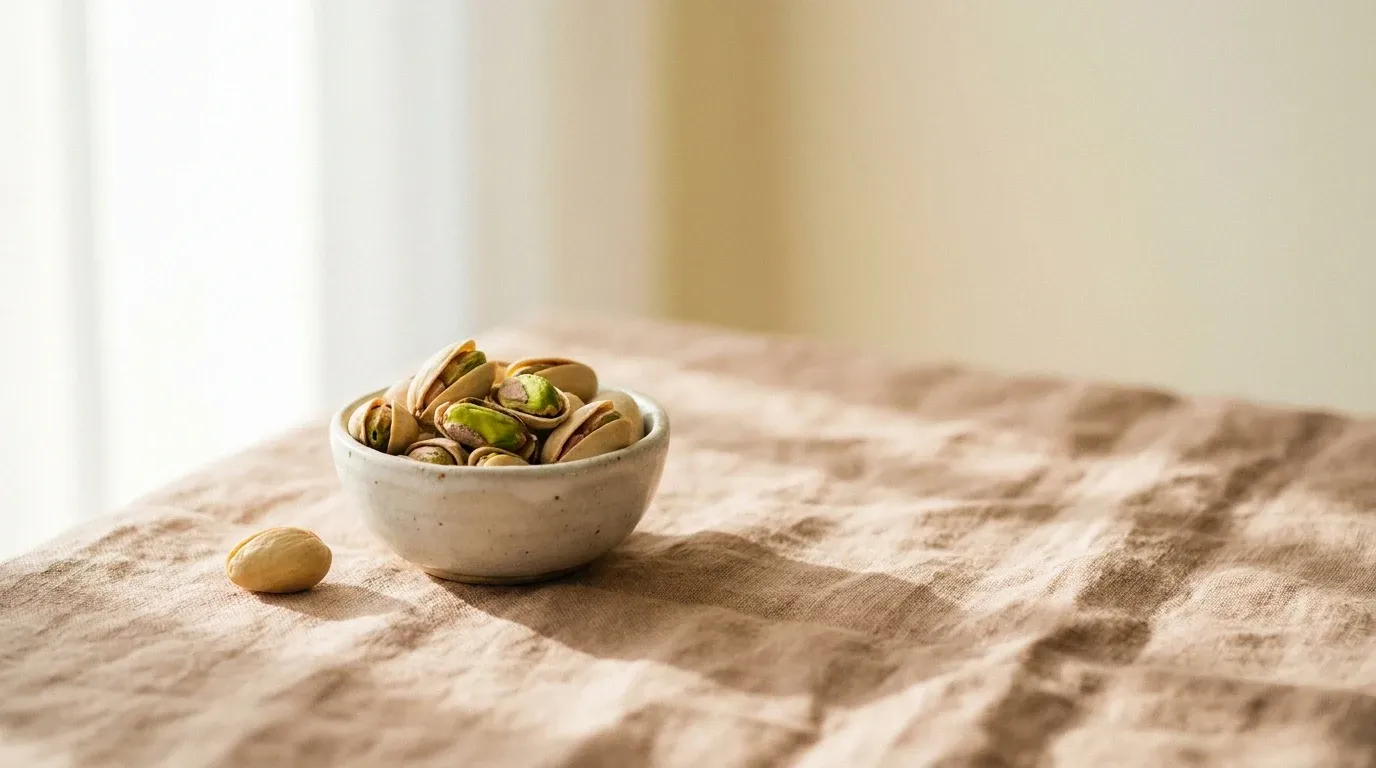
Pistachios and Sleep: What the Science Actually Says
A new narrative review identifies pistachios as one of the richest whole-food sources of melatonin, tryptophan, magnesium, and B6. Here's what the evidence actually supports.
Exercise Changes Your Body in Ways Science Just Mapped
A Salk Institute study mapped exercise's molecular effects across 22 tissues, finding nearly half of all genes shift activity. Every organ adapts differently.
AI Now Scores Your Sleep as Well as Lab Experts Do
A deep-learning algorithm now matches expert polysomnographers at detecting sleep apnea, putting clinical-grade sleep analysis on a path toward your wearable.
Your Smartwatch Can Now Screen for Sleep Apnea
A 2026 study confirms smartwatches can accurately screen for obstructive sleep apnea, shifting detection from costly clinics to passive nightly monitoring.
Sleep and Rest Still Beat Fancy Recovery Tools
A 2026 study on endurance athletes finds passive recovery, sleep, nutrition, and rest, matches cryotherapy and compression tools in recovery outcomes.
Why Fall Wrecks Your Sleep and How to Fix It
Fall's shrinking daylight disrupts your circadian rhythm in measurable ways. Here's the science behind it and a three-step reset you can start tonight.
Passive Recovery Still Beats Your Expensive Gear
A new independent paper finds no recovery modality beats passive rest for elite endurance athletes. Sleep, food, and true rest days still lead the evidence.
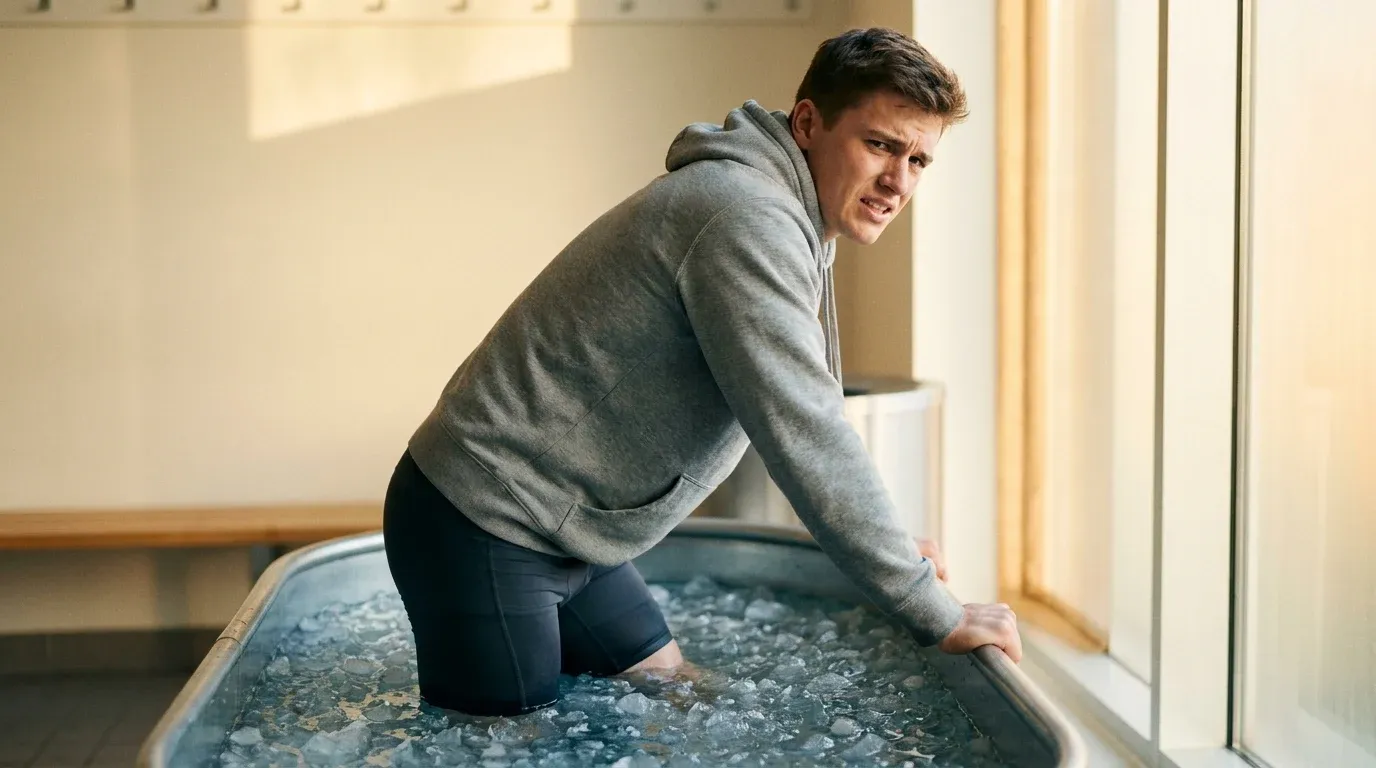
Ice Baths Might Be Hurting Your Muscle Gains
New scientific reviews show ice baths and popular recovery tools may suppress the muscle adaptation signals athletes need, while sleep and protein remain the top evidence-backed recovery strategies.
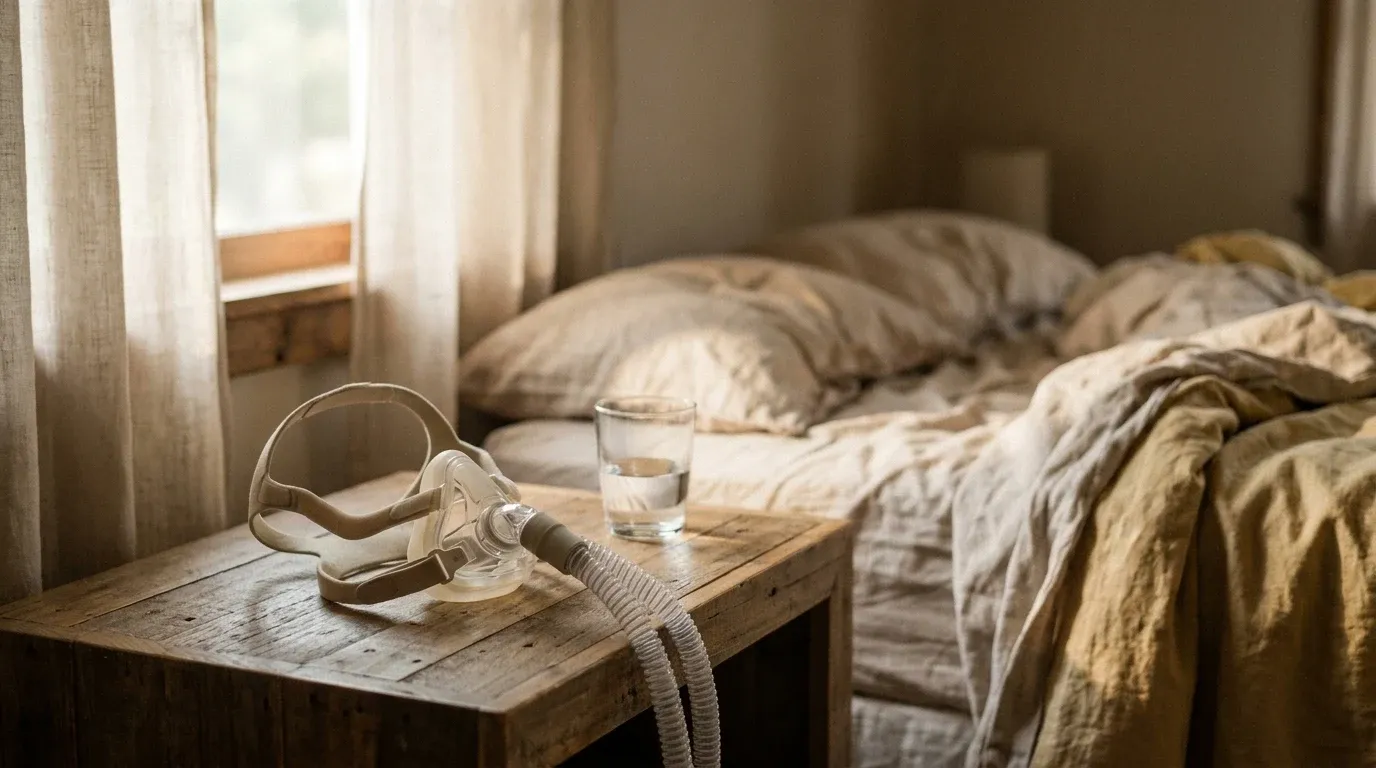
GLP-1 Drugs and Sleep Apnea: What New Data Shows
New CHEST 2026 data shows GLP-1 drugs reduce sleep apnea severity beyond weight loss. Here's what it means for your recovery and performance.
Why Doing Nothing Is Still Your Best Recovery Option
A major 2026 analysis confirms passive rest outperforms most recovery tools. Here's why doing nothing is your most evidence-based recovery option.
How Deep Sleep Triggers Growth Hormone: The Mechanism
UC Berkeley researchers mapped the two-way link between deep sleep and growth hormone release, showing how even one disrupted night measurably impairs muscle repair and metabolism.
The Brain Circuit That Links Deep Sleep to Hormones
UC Berkeley identified a brain circuit linking deep sleep to growth hormone release, revealing a two-way loop that explains why poor sleep simultaneously disrupts metabolism, muscle repair, and brain health.
Why Doing Nothing May Be Your Best Recovery Strategy
Passive rest consistently matches or outperforms popular recovery tools. Here's the evidence for doing nothing, and how to make strategic inactivity part of your training.
Mindfulness and CBT Are the Most Effective Stress Interventions
A 32-study review confirms mindfulness and CBT as top stress-reduction tools, but exposes a major gap: the people running institutions rarely get access to them.
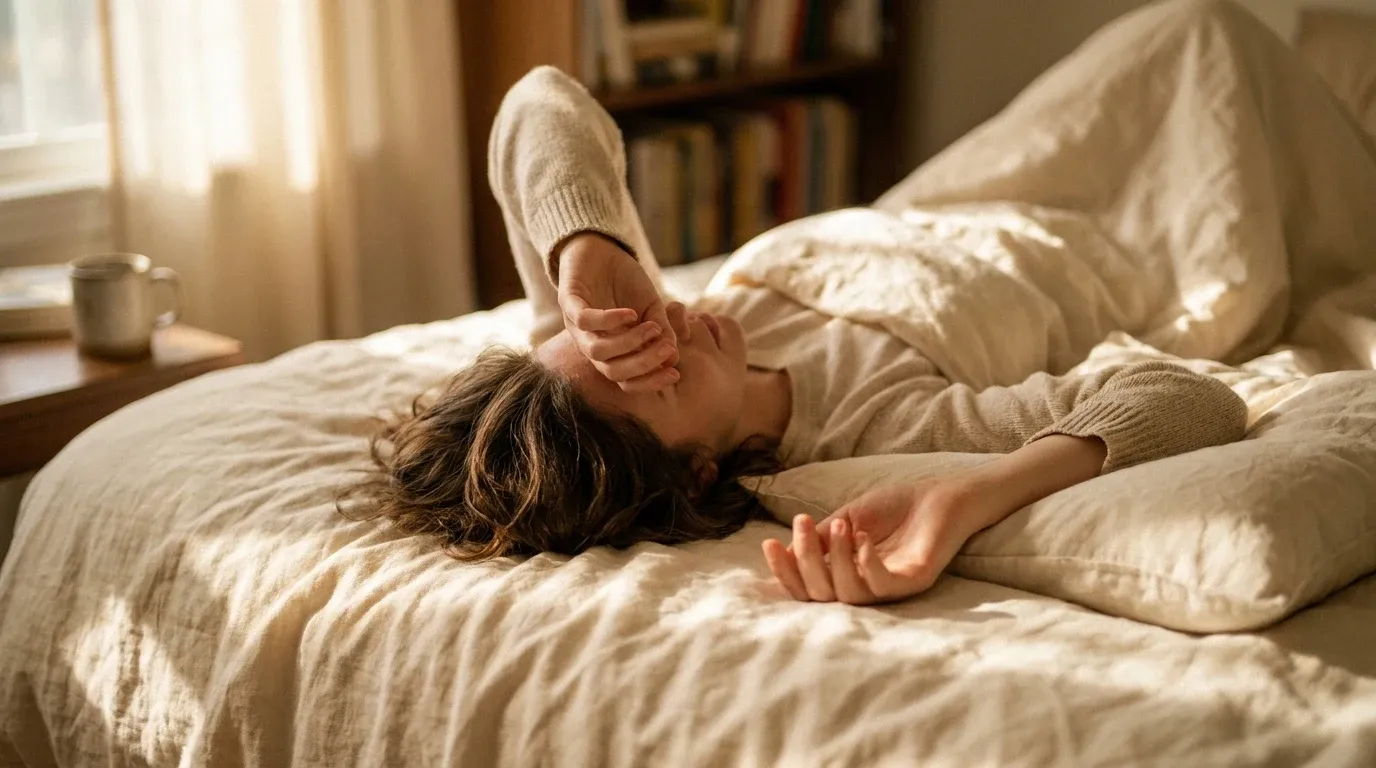
Insomnia Drives Inflammation. Genetics Now Shows How.
New genetic research links 125 shared loci between insomnia and C-reactive protein, showing poor sleep actively drives chronic inflammation rather than correlating with it.
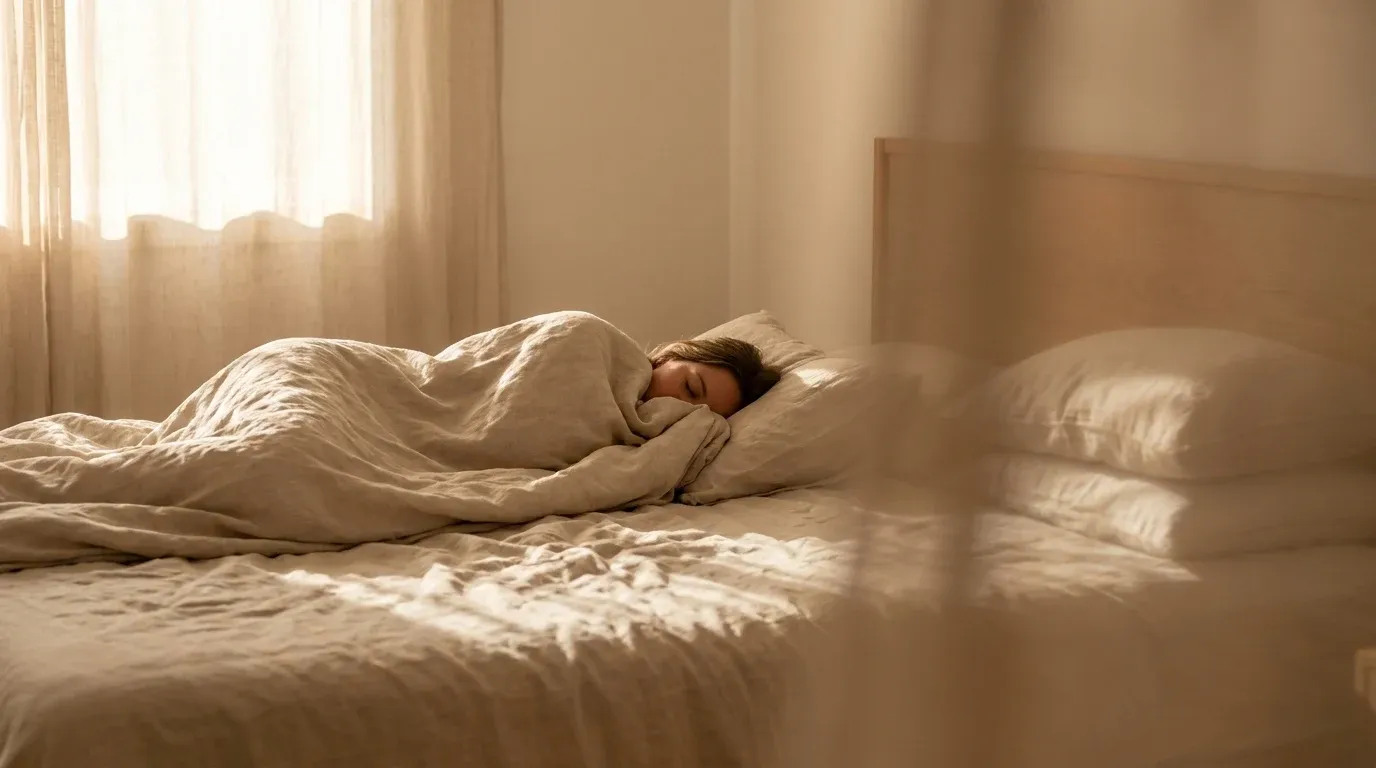
Deep Sleep Builds Muscle, Burns Fat, and Boosts Your Brain
UC Berkeley research reveals deep sleep and growth hormone form a two-way loop that drives muscle repair, fat burning, and brain restoration simultaneously.
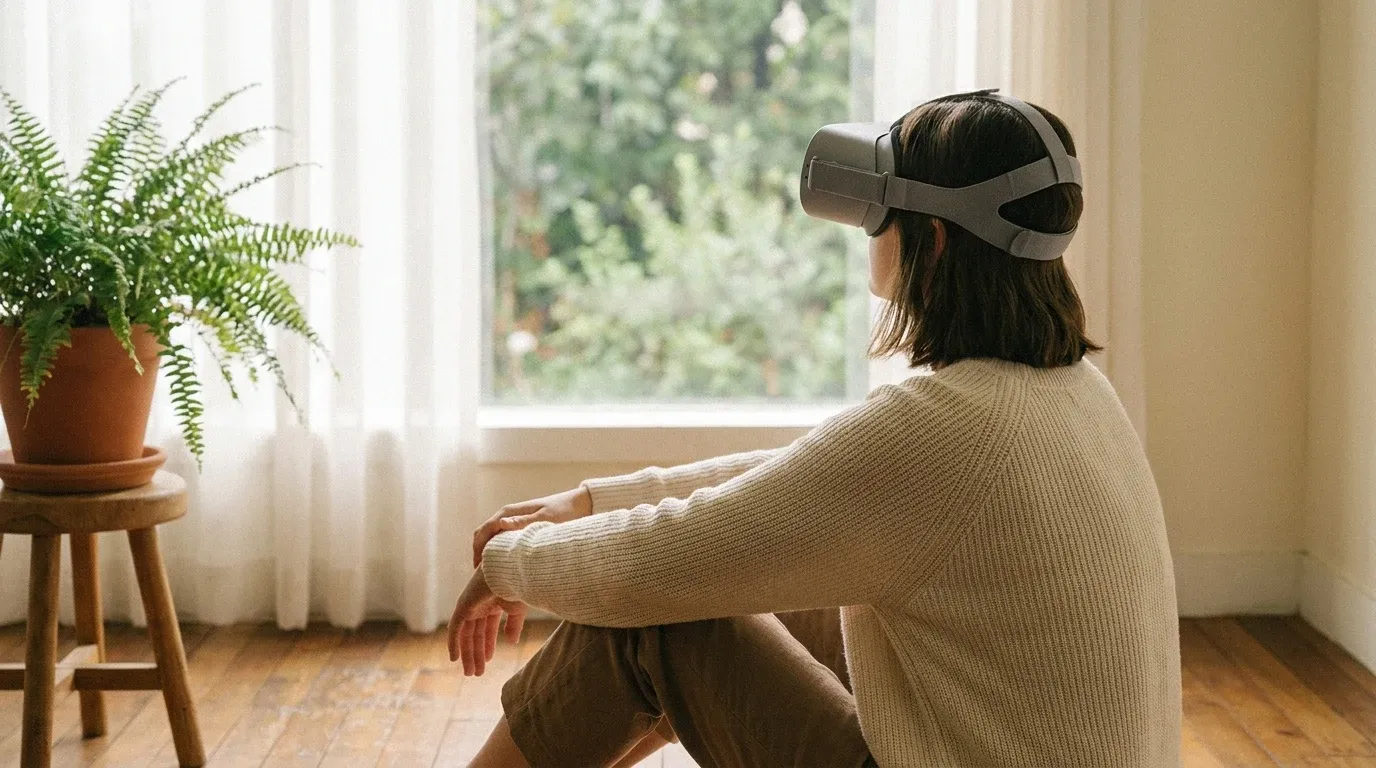
Can Virtual Nature Actually Lower Your Stress Like the Real Thing?
New research shows VR nature environments can reduce perceived stress but fall short of real outdoor exposure on cortisol. Here's what that means for you.
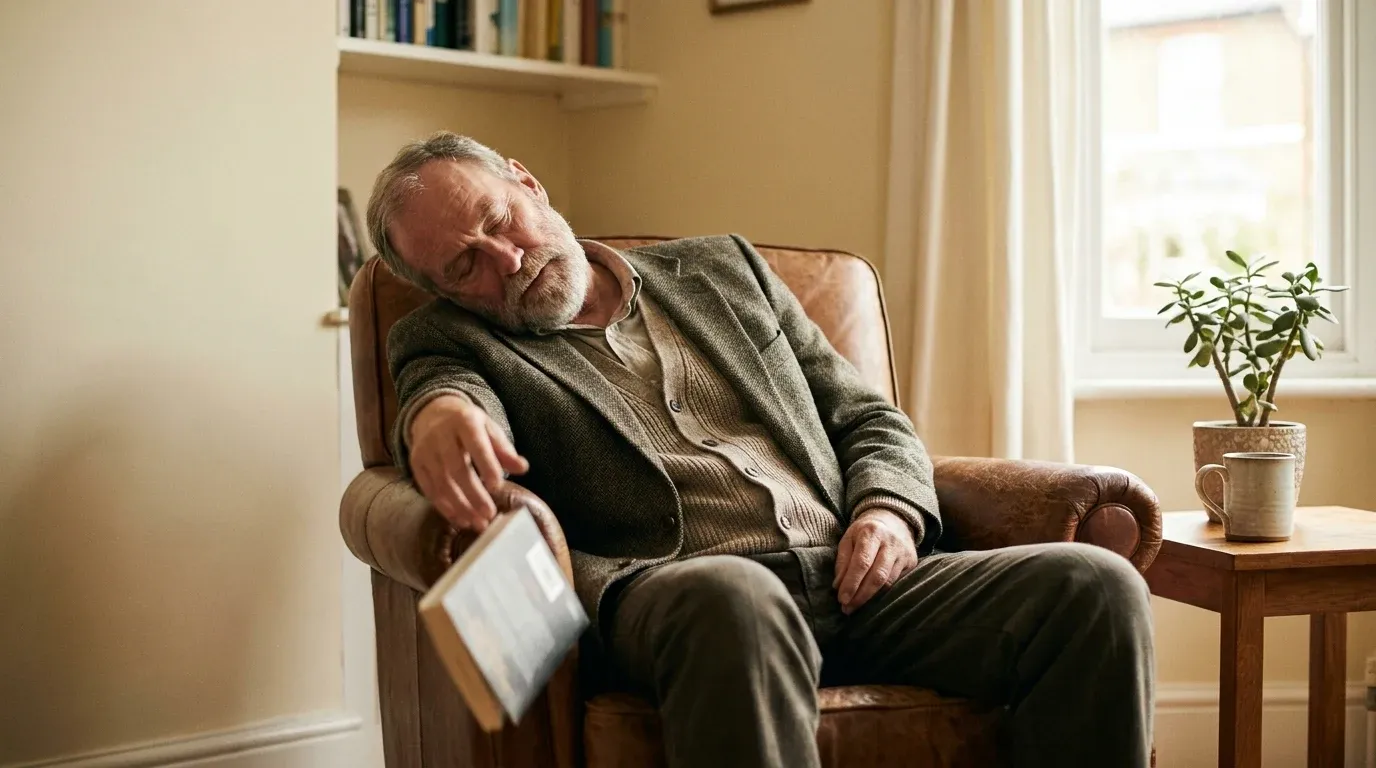
Unplanned Napping May Signal Higher Dementia Risk
Frequent, unintended napping may be an early behavioral signal of dementia risk. Here's what the research shows and what to do about it.
Stress-Tracking Apps: Where the Science Still Falls Short
A 2026 systematic review confirms wearables detect stress well but can't manage it automatically. The human side of recovery still matters most.
Coherent Breathing After Stress: What a Randomized Trial Found
A randomized crossover trial in PLOS One found coherent breathing outperformed blue light exposure at reducing physiological stress. Here's what it means for you.