
Wellness & Recovery Guides
Sleep optimization, stress management, and mobility guides for active people. Science-backed wellness strategies to help you recover and perform better.
Latest articles (539)
Sometimes the Best Recovery Is Doing Nothing at All
New research shows sleep, nutrition, and time consistently outperform ice baths, massage guns, and compression gear. Here's the case for doing less.
Passive Recovery Beats Most Expensive Recovery Tools
Two new studies on endurance athletes confirm that sleep, food, and rest outperform cryotherapy and compression for real muscle recovery.
What the NIH's 2026 Sleep Conference Changes for You
The NIH's 2026 Sleep Conference signals a shift in how sleep is treated by science. Here's what that means for your health and habits.
20 Minutes Outside Measurably Lowers Your Cortisol
Spending just 20 to 30 minutes in any natural outdoor setting measurably lowers cortisol. Here's what the research says and how to use it.
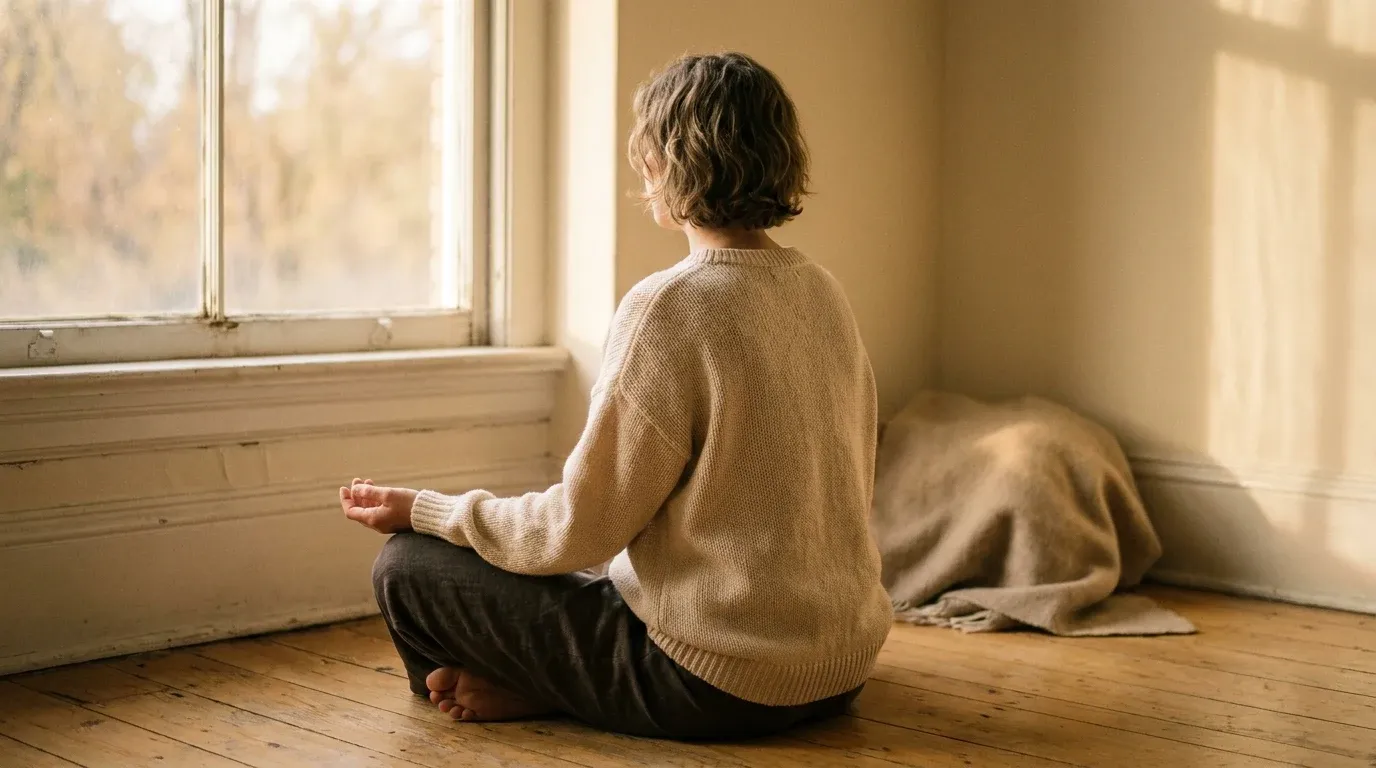
Your Morning Habits Shape How Well You Handle Stress
New Binghamton University research links breakfast, exercise, and consistent sleep to higher psychological flexibility, the mental skill that determines how well you handle stress.
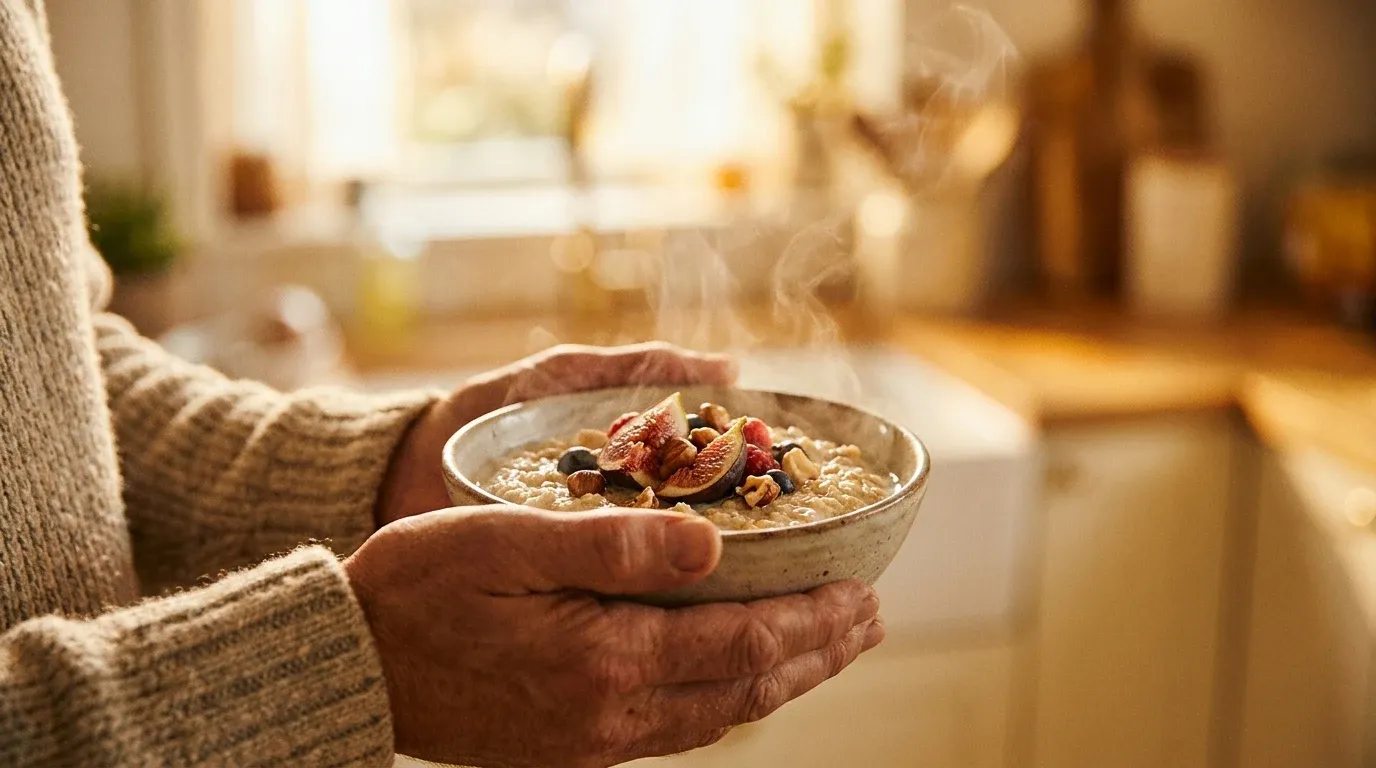
What You Eat for Breakfast Changes How You Handle Stress
A Binghamton University study links consistent breakfast eating to higher psychological flexibility, one of the strongest predictors of stress resilience.
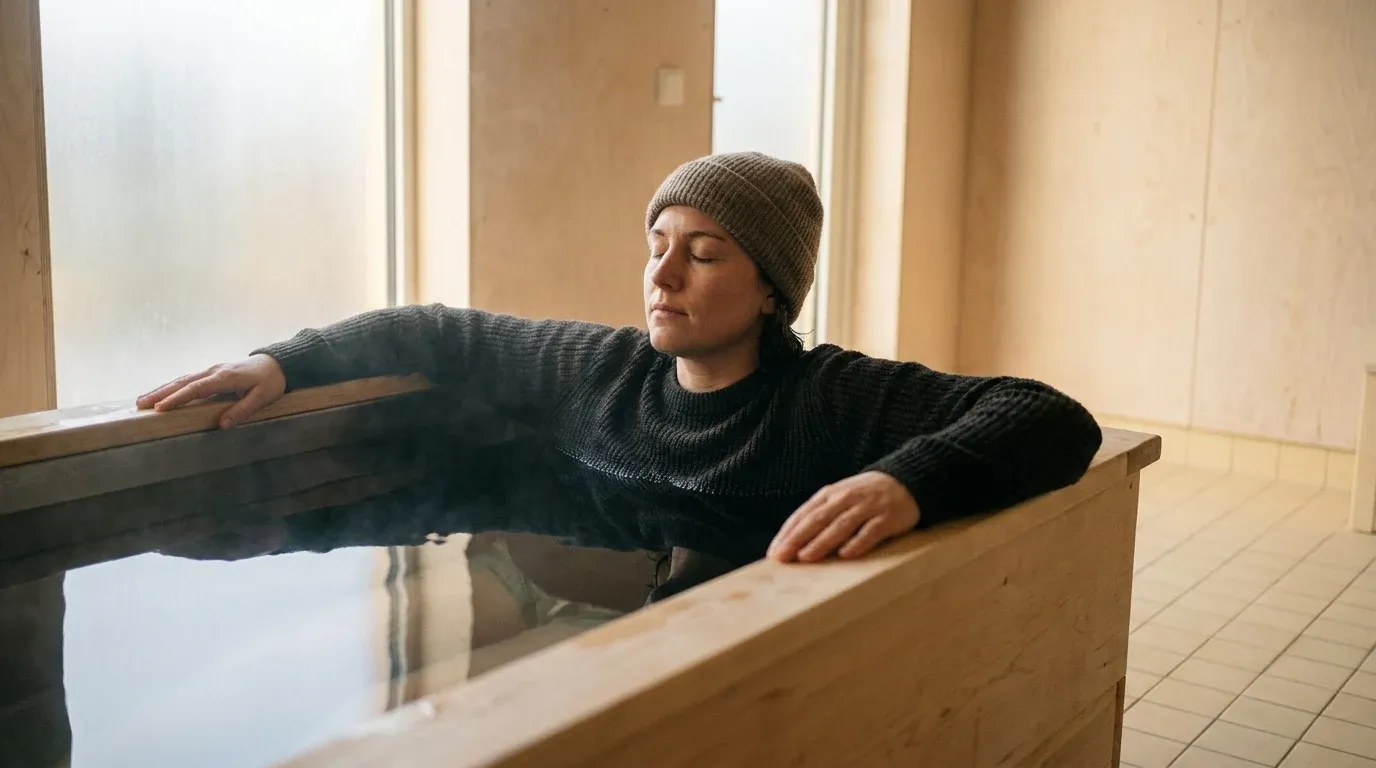
Stress Relief Beyond Breathwork: What Actually Works
Breathwork works for many, but it's not the only option. Here's what recent research actually supports for stress relief, ranked by time and accessibility.
Why Your Sleep Tracker's Green Score Can Still Be Wrong
Your sleep tracker can show a perfect score while your bedroom silently destroys sleep quality. Here's why duration metrics mislead and how to audit smarter.
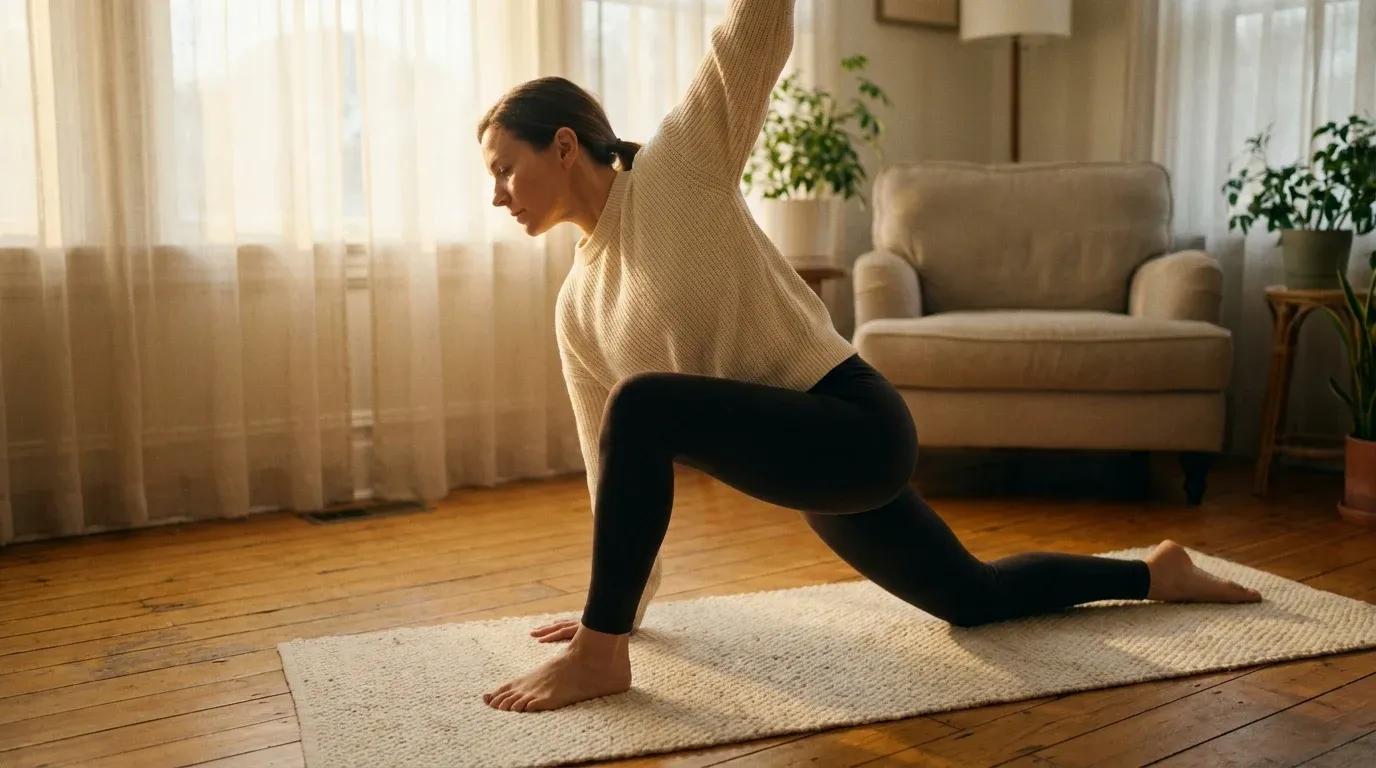
The Daily Mobility Routine That Changes Everything After 40
A standalone daily mobility practice, not a warmup add-on, is the most effective investment in joint health after 40. Here's the biology and the routine.
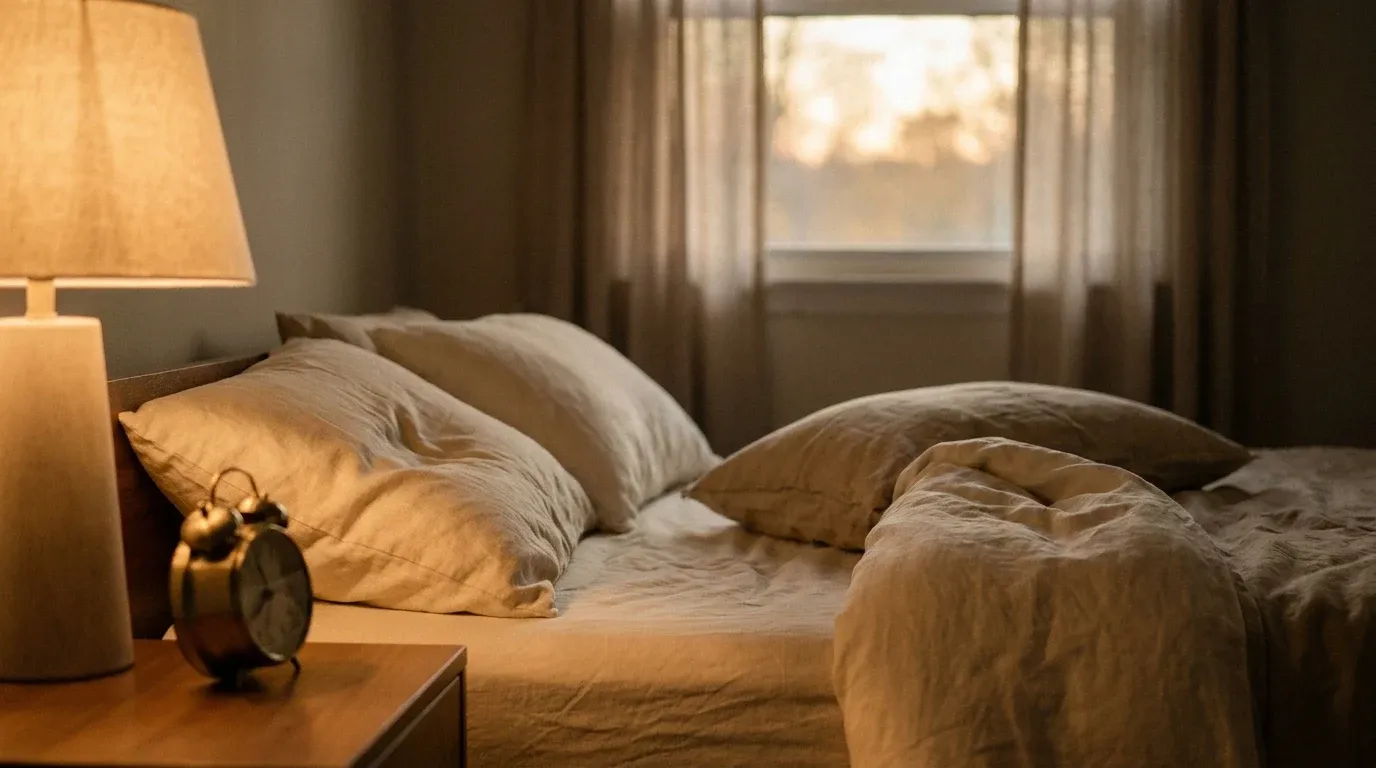
Your Bedroom Is Quietly Wrecking Your Sleep
A Penn State study found bright, hot, or noisy bedrooms hurt sleep quality without cutting total hours, meaning your tracker may be giving you a false green light.
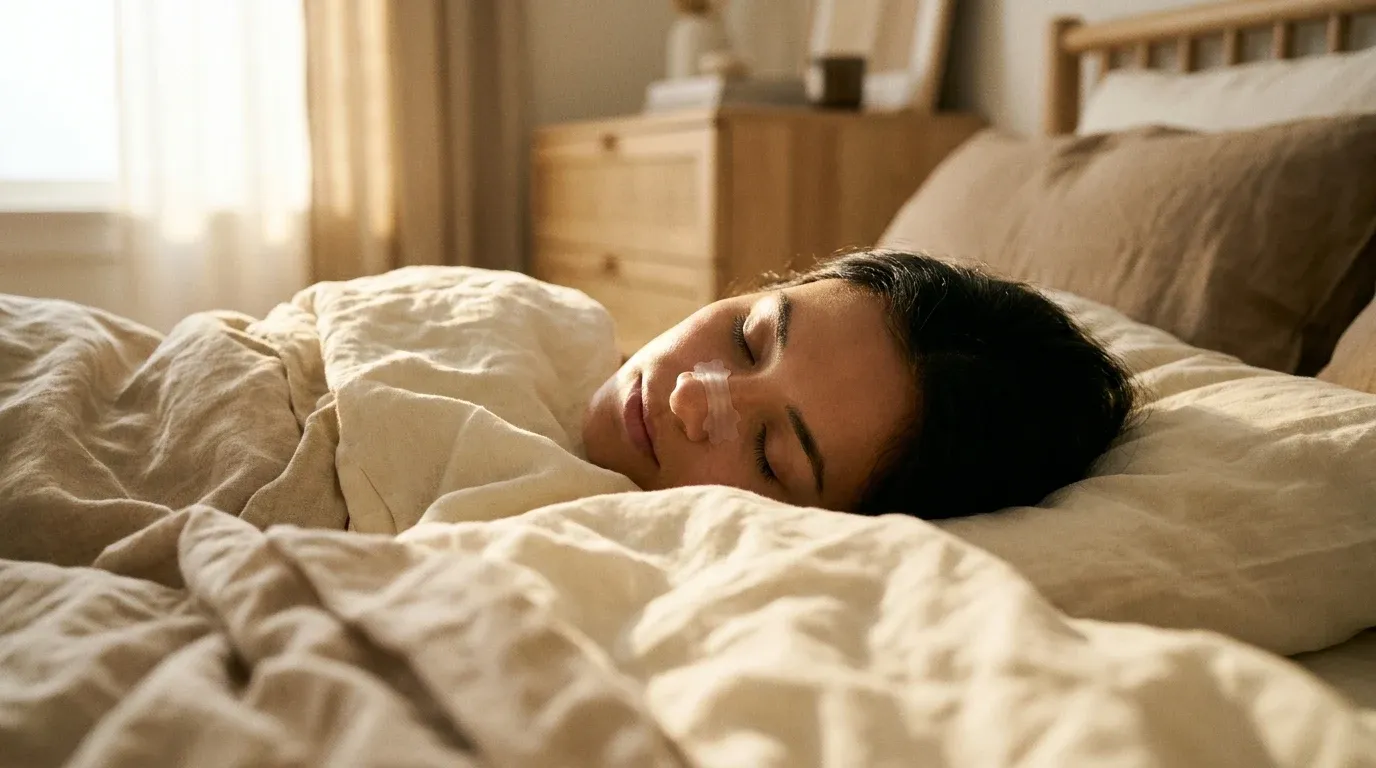
Sleep Apnea Treatment Is Getting Personal in 2026
SLEEP 2026 signals a shift toward personalized OSA care, with AI tools, women-specific research, and a new FDA-reviewed oral drug expanding options beyond CPAP.
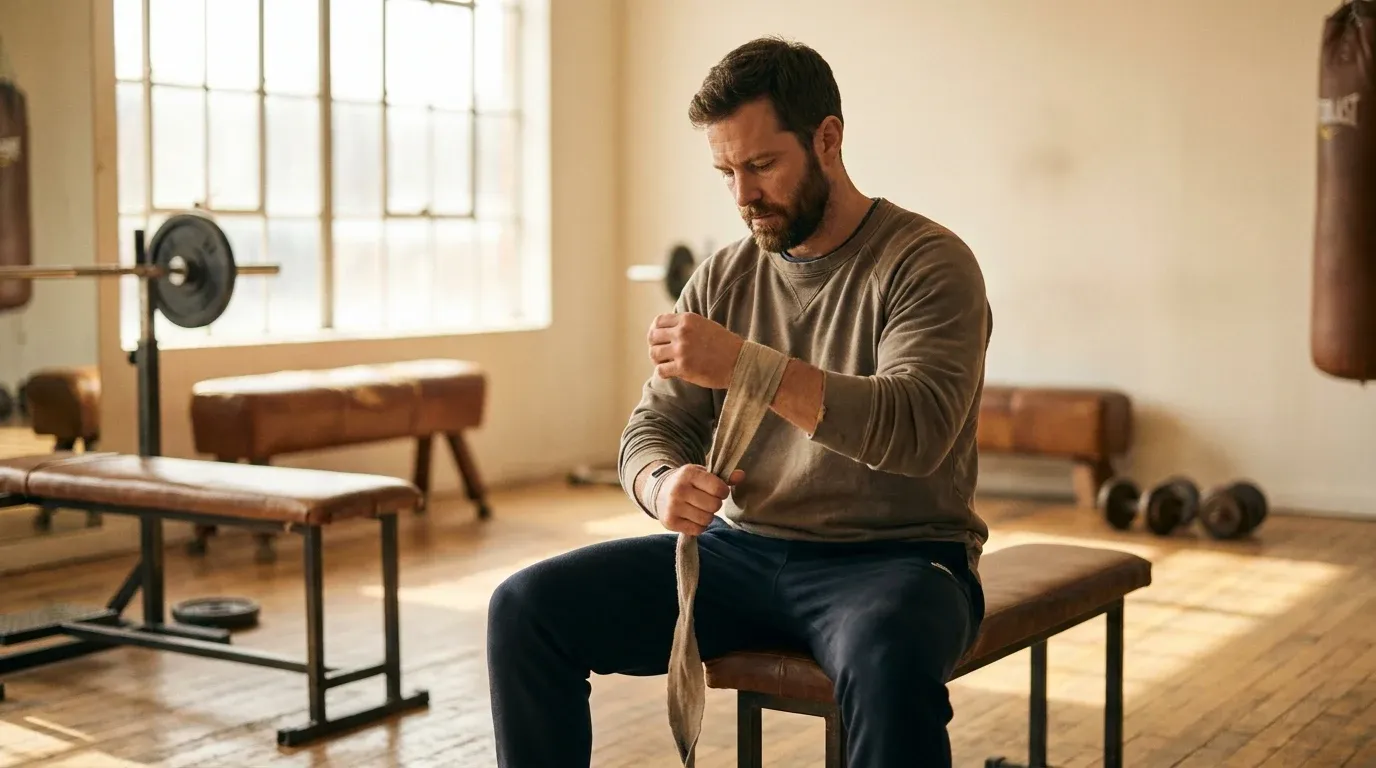
How to Train After 30 Without Getting Injured
Training after 30 isn't about going easier. It's about recovery-first habits that keep you strong, injury-free, and consistent for decades.
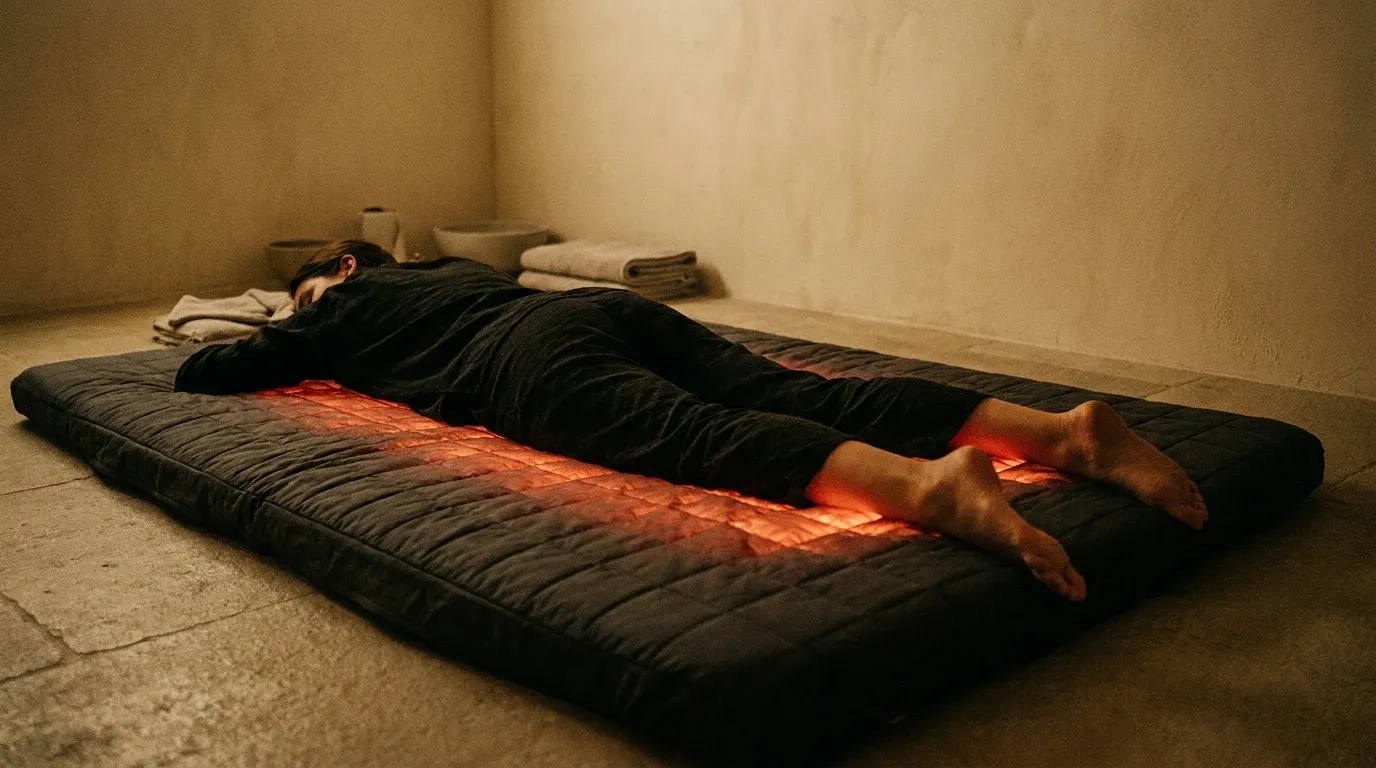
Infrared PEMF Recovery Mats: What Science Actually Supports
Infrared PEMF mats now sell for over $1,000, but the evidence behind each modality varies widely. Here's what science actually supports.
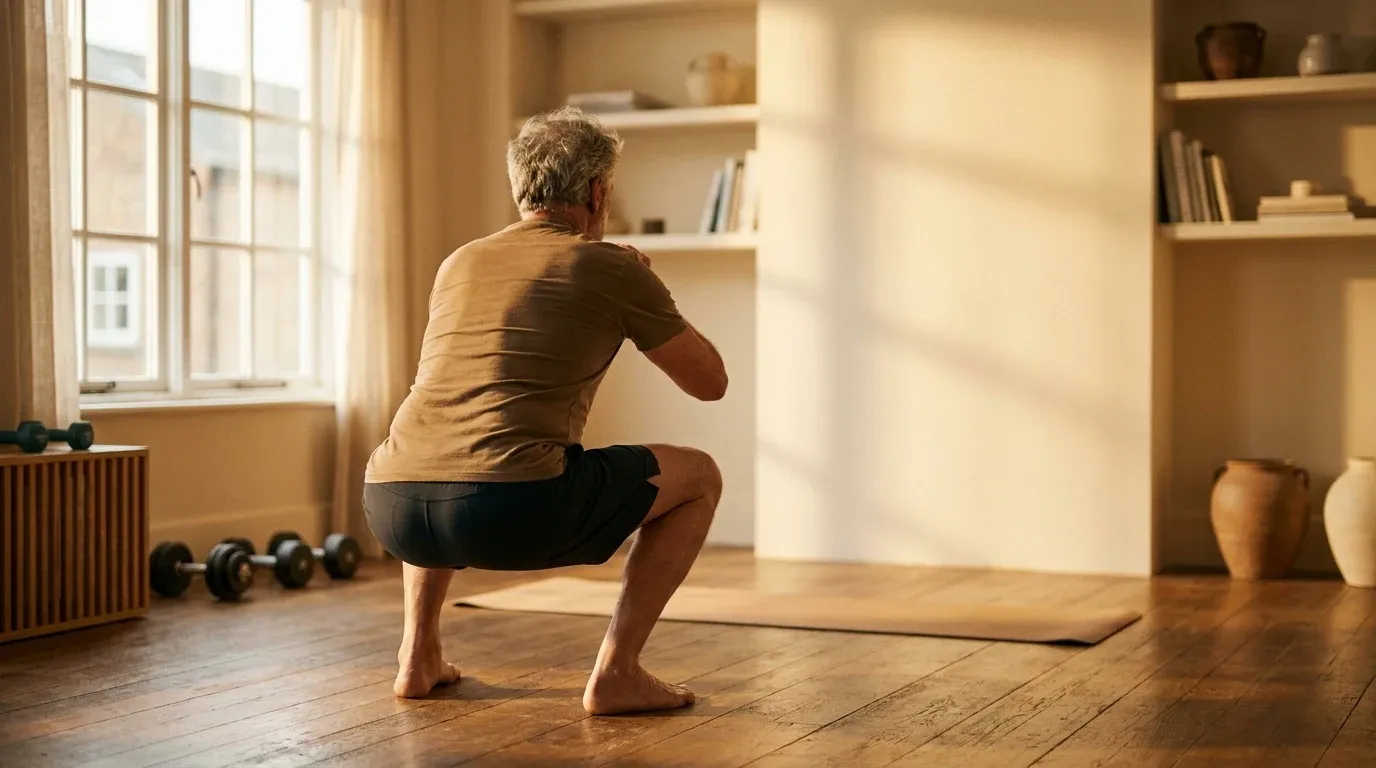
Exercise Reverses Muscle Aging. Scientists Now Know Why.
Singapore researchers pinpointed DEAF1, the gene that blocks muscle repair with age. Exercise suppresses it. Here's why that matters after 40.
The Exact Sleep Window That Cuts Disease Risk Most
A 95,000-person PLOS Medicine study identifies six to eight hours as the sleep sweet spot for lowest disease risk, with under five hours sharply raising risk for 37 conditions.

This Sleep Stage Cuts Risk of 83 Diseases
A 95,000-person PLOS Medicine study links higher REM sleep to 80% lower Parkinson's risk and 46% lower dementia risk. Here's what actually drives sleep stage quality.
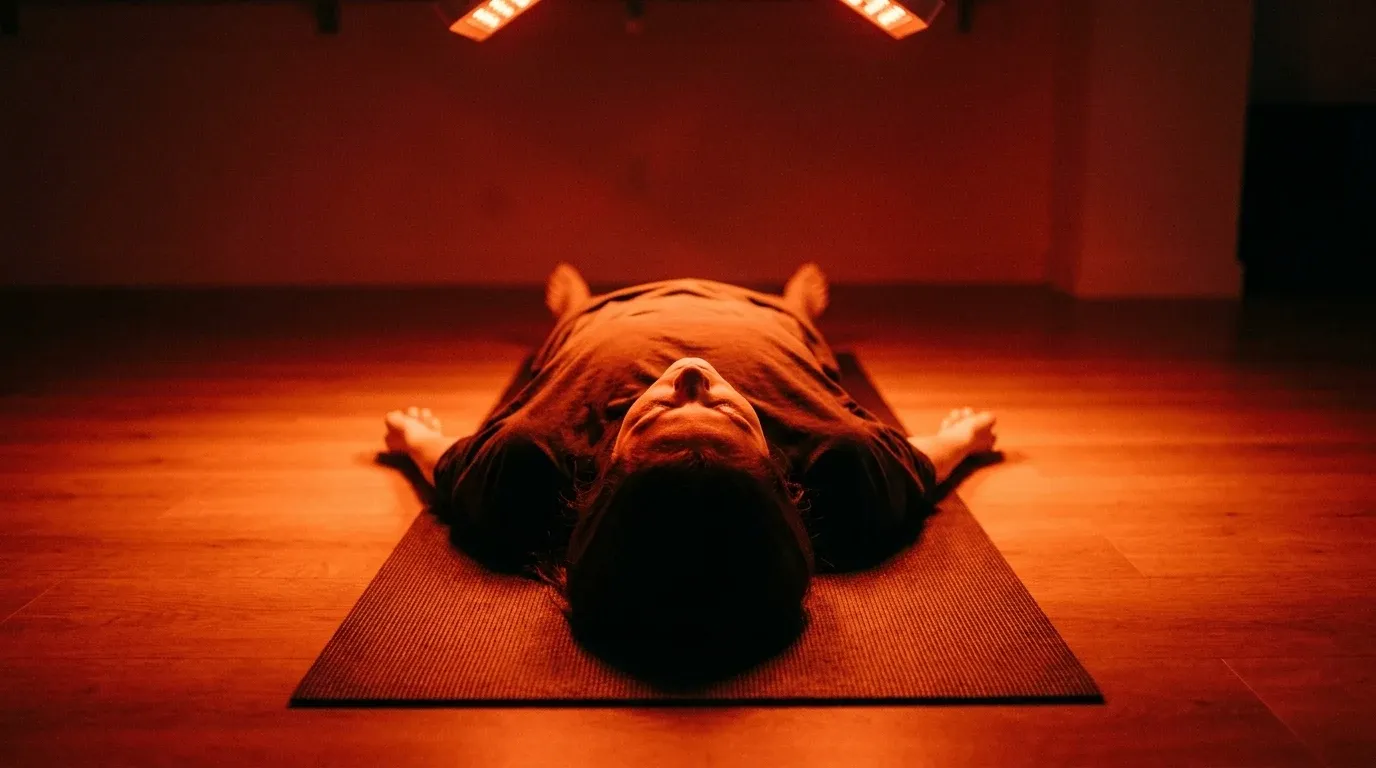
Red Light Therapy Is Moving Into Mainstream Fitness
Red light therapy is leaving elite sports medicine and entering mainstream studios. Here's what the evidence supports and what to check before your first session.
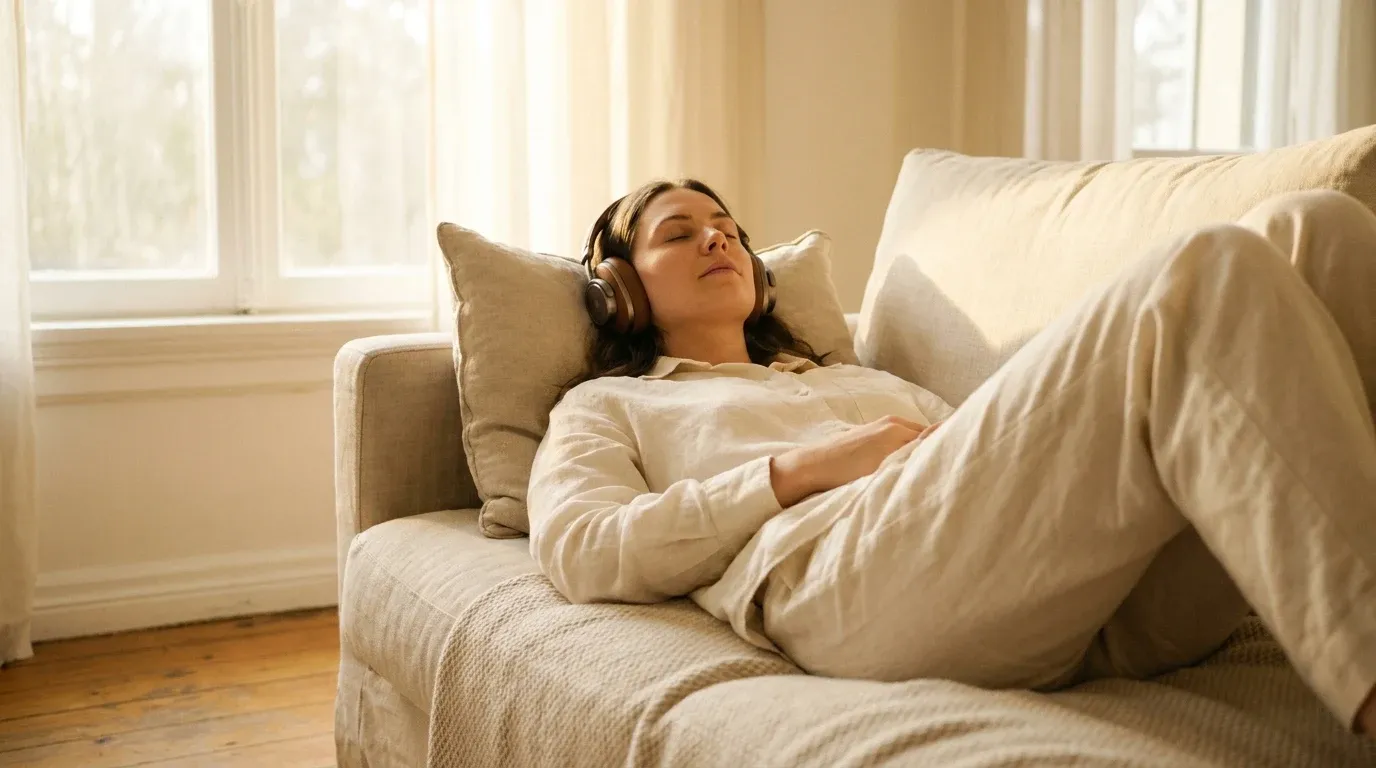
Music Lowers Your Cortisol. Here's How to Use It
Research confirms relaxing music measurably lowers cortisol and triggers endorphin release. Here's a practical daily protocol to use it as a real stress tool.

Why Women and Young Adults Feel More Stress
Global data confirms women and young adults report the highest stress rates worldwide. Here's what's driving the gap and what the research says actually helps.
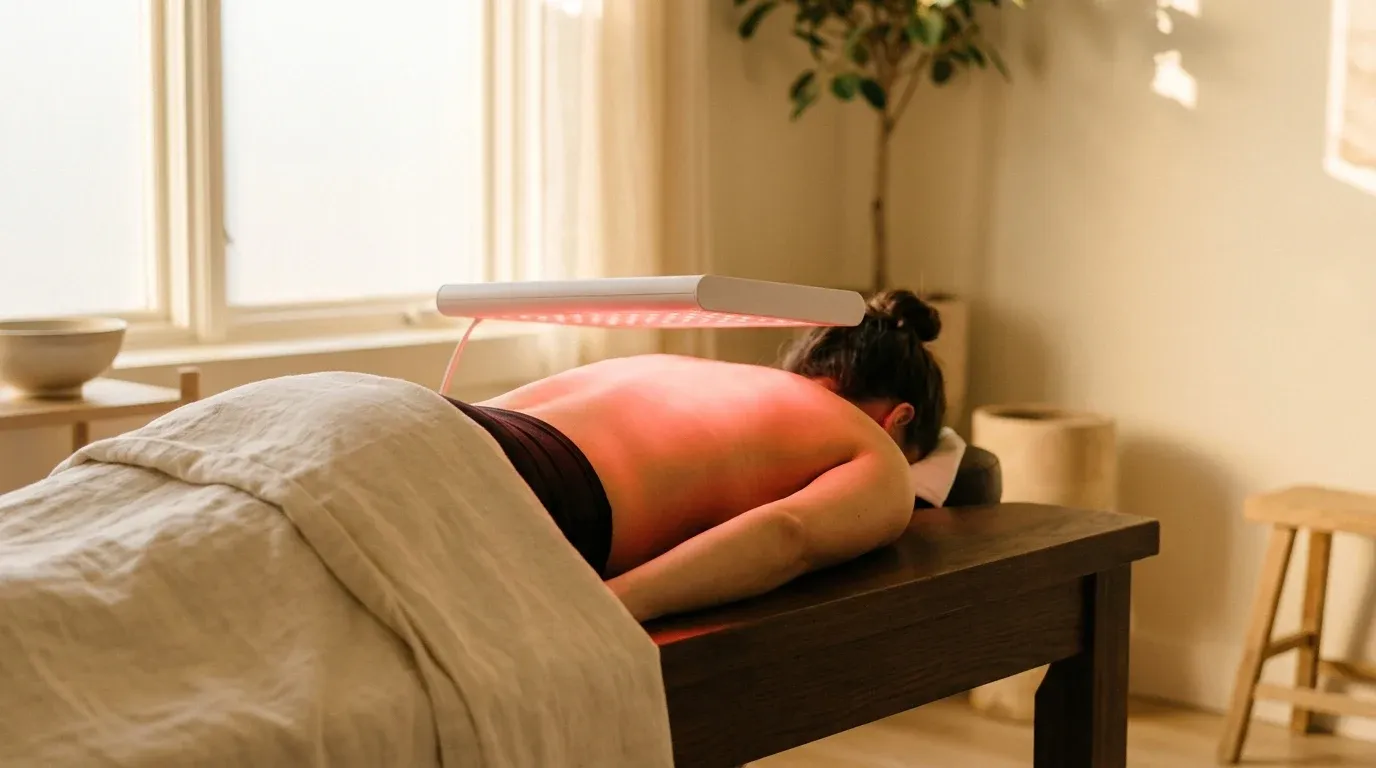
Red Light Therapy and Muscle Recovery: What Science Says
Red light therapy targets mitochondrial function to support muscle recovery, but device quality and dosing precision determine whether it actually works.
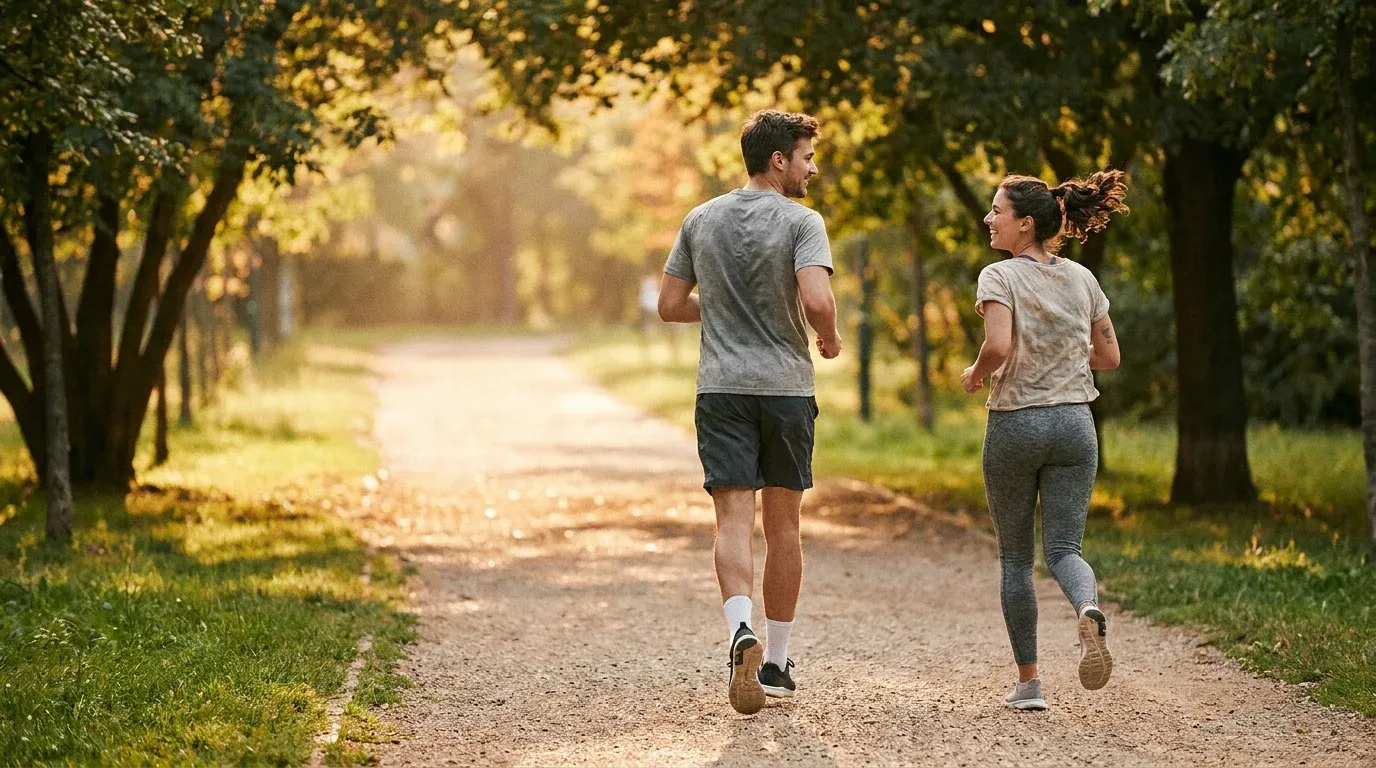
Exercise Plus Social Support Is the Best Stress Stack
A 2026 study found young adults who combined exercise with peer support managed stress most effectively. Here's what that means for how you train.
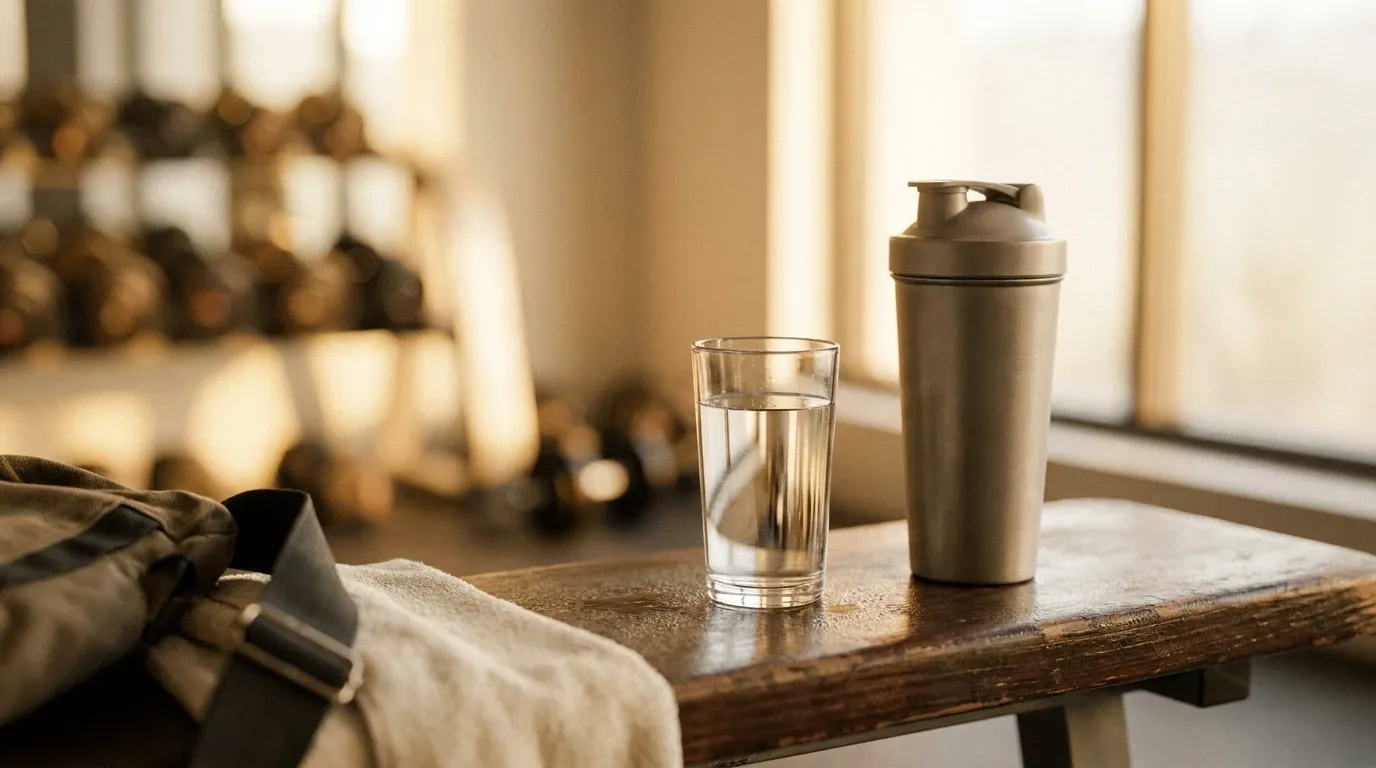
Why Hydration Has to Come Before Your Protein Shake
A 2026 study in Nutrients found mild dehydration blunts whey absorption. Here's how a simple two-step post-workout routine fixes it for free.
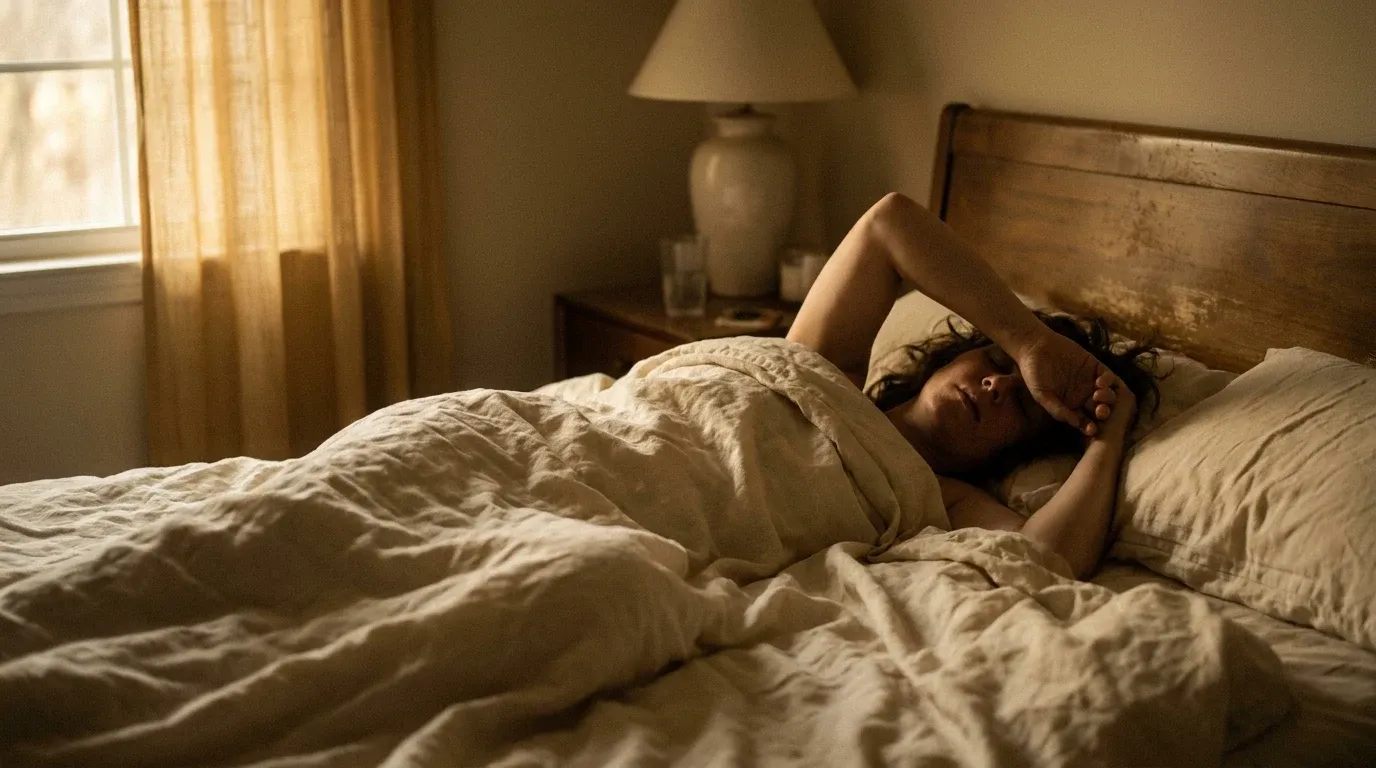
Hot Nights Are Wrecking Your Sleep and Stress Levels
A new study finds that just one hot night disrupts sleep architecture and raises cortisol and anxiety markers the next day. Here's what to do about it.
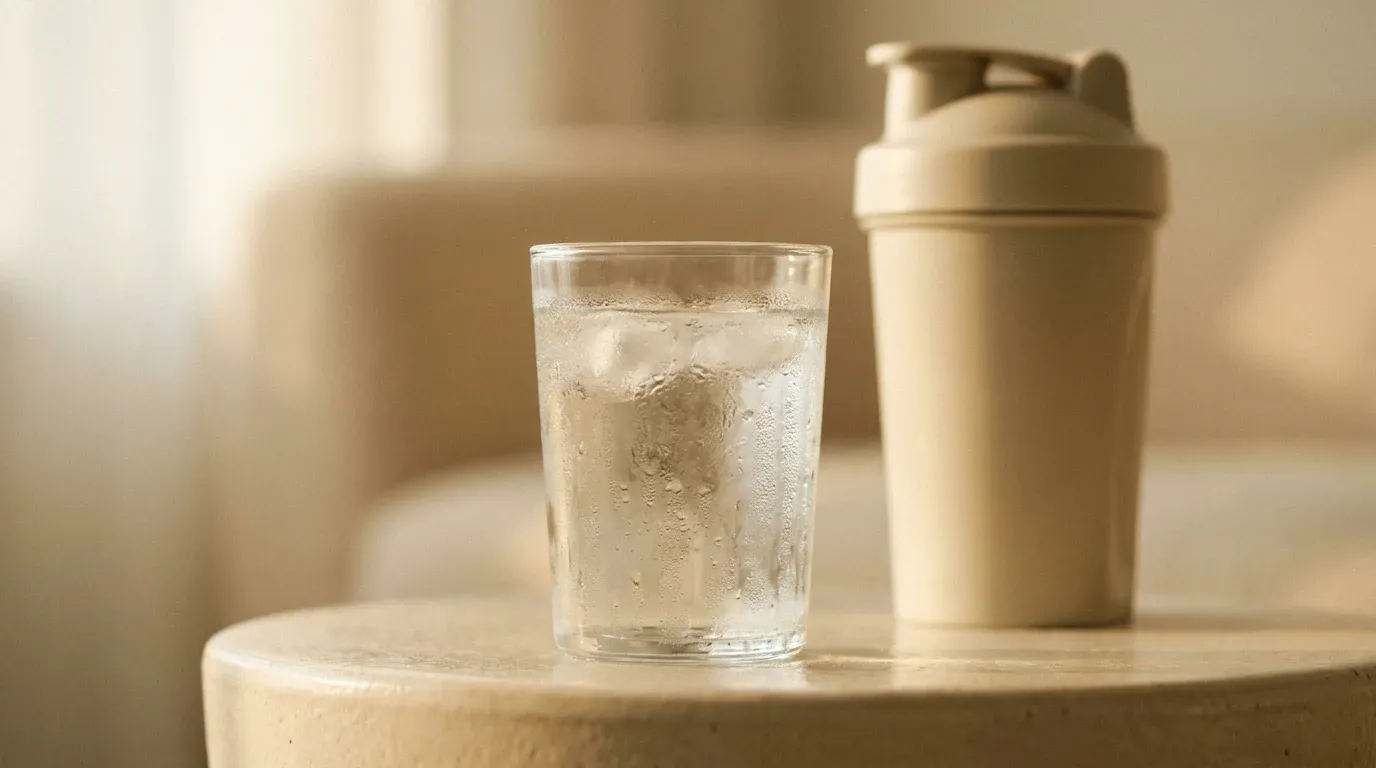
Skipping Water After a Workout Kills Your Protein Shake
New research shows moderate post-exercise dehydration significantly blunts amino acid absorption from whey protein. Replacing just half your fluid losses largely restores the response.