
Wellness & Recovery Guides
Sleep optimization, stress management, and mobility guides for active people. Science-backed wellness strategies to help you recover and perform better.
Latest articles (340)

Too Much or Too Little Sleep Ages You Faster
A Columbia University study finds that both too little and too much sleep accelerate biological aging. Here's what the optimal window actually looks like.
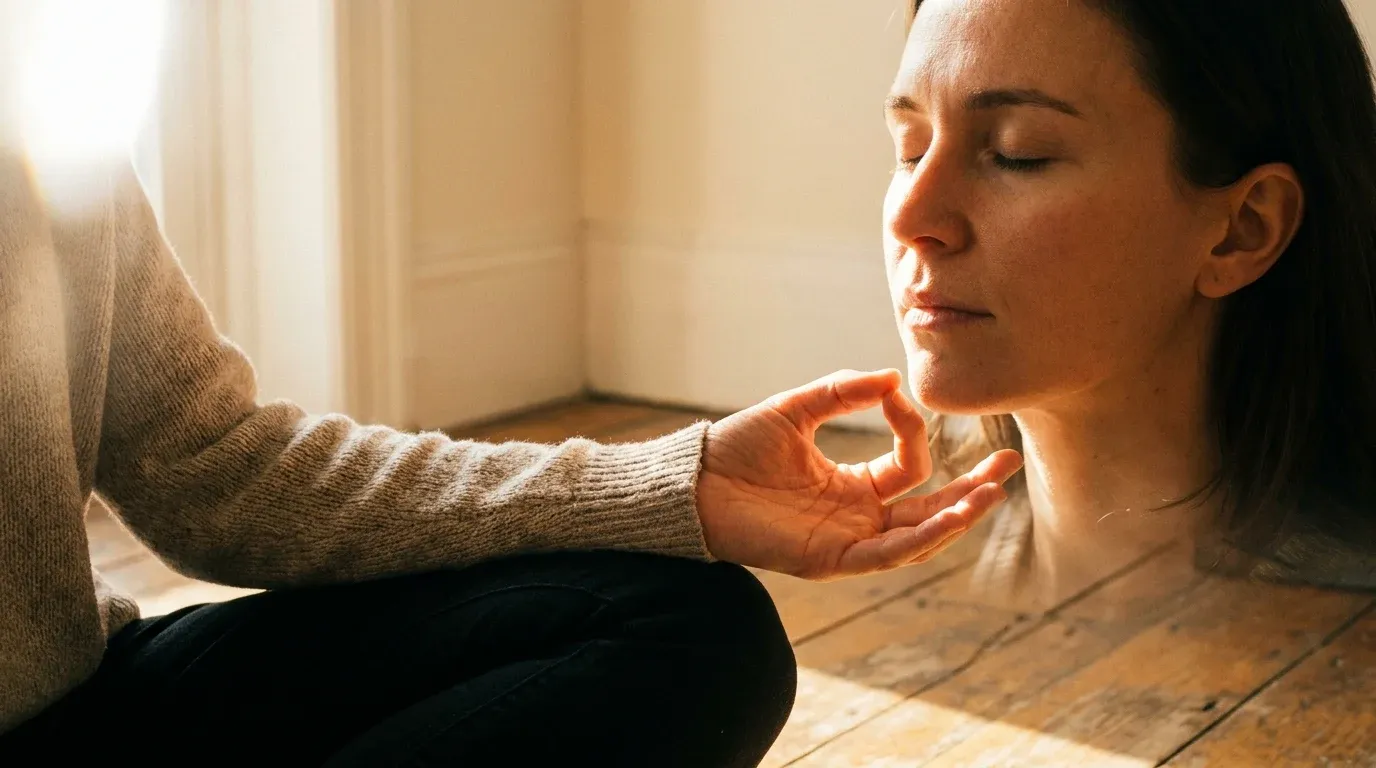
Stress Management: What Actually Works
Burnout and cardiovascular risk are at a documented high in 2026. Here's which stress management techniques have real clinical backing, ranked by evidence strength.

Deep Sleep Waves May Guard Against Alzheimer's
A Concordia-led study finds stronger NREM sleep spindles can buffer against orexin-driven cognitive decline, reframing deep sleep as an active neuroprotective tool.
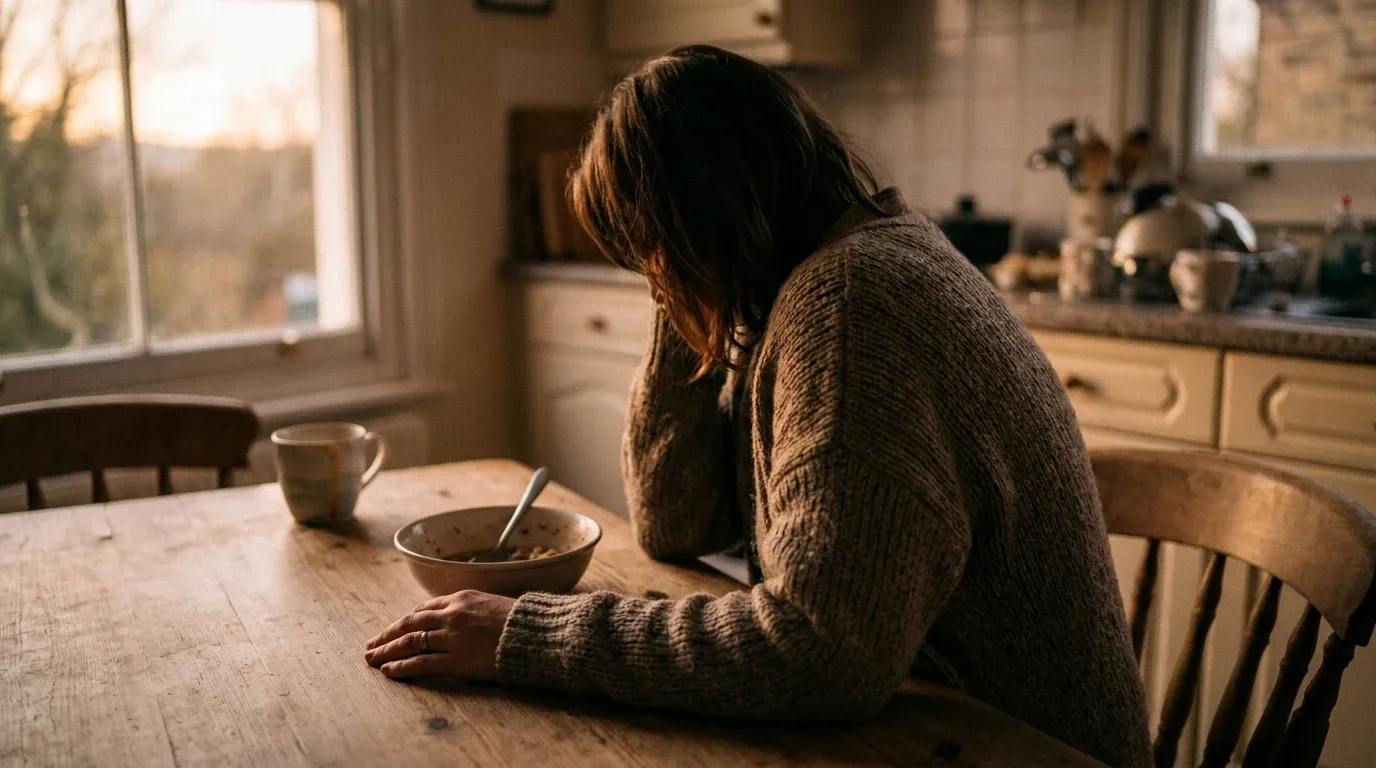
Stress and Emotional Eating: How to Break the Cycle
Chronic stress hijacks your hunger hormones, making emotional eating a physiological response, not a willpower failure. Here's how to break the cycle.
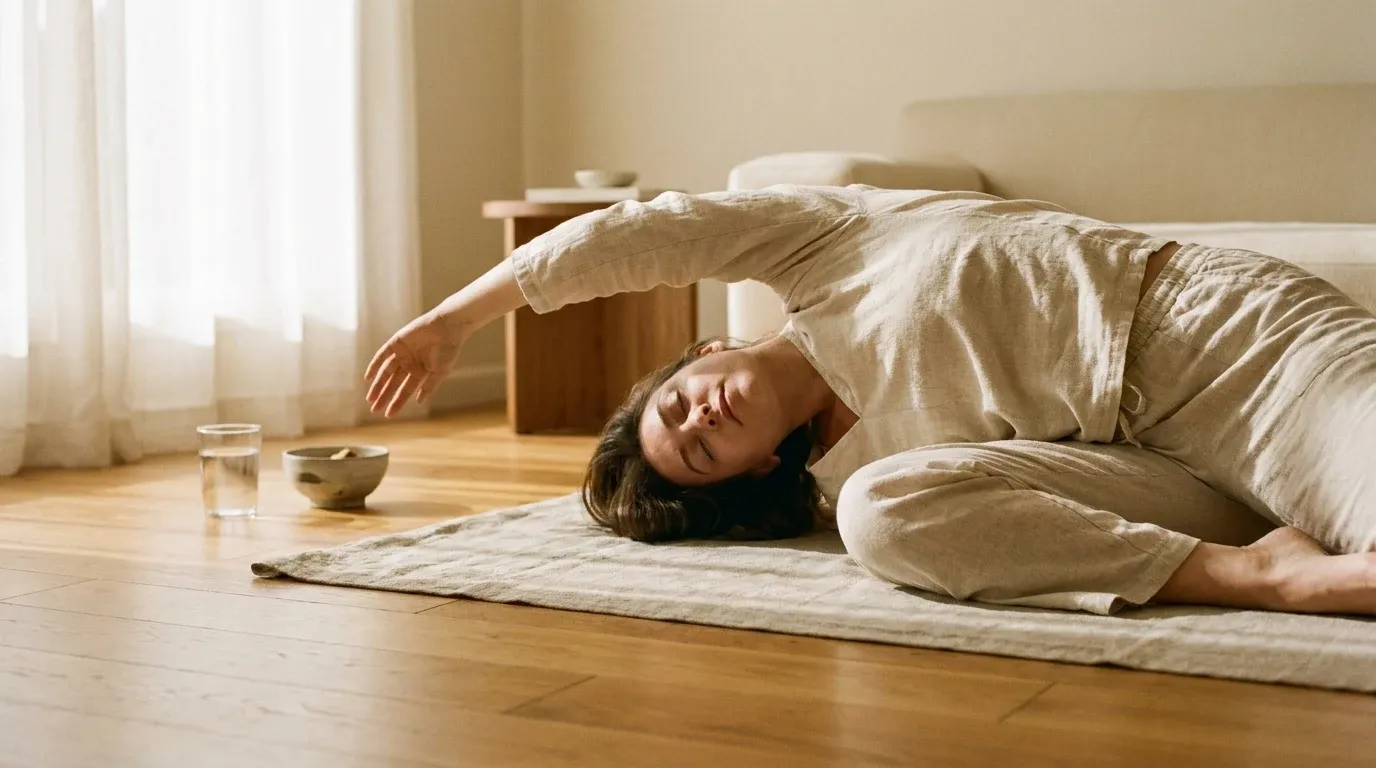
How to Actually Recover After Intense Workouts
Cut through the recovery gadget noise. Hydration, nutrition, sleep, and gentle movement remain the highest-leverage tools after intense training.
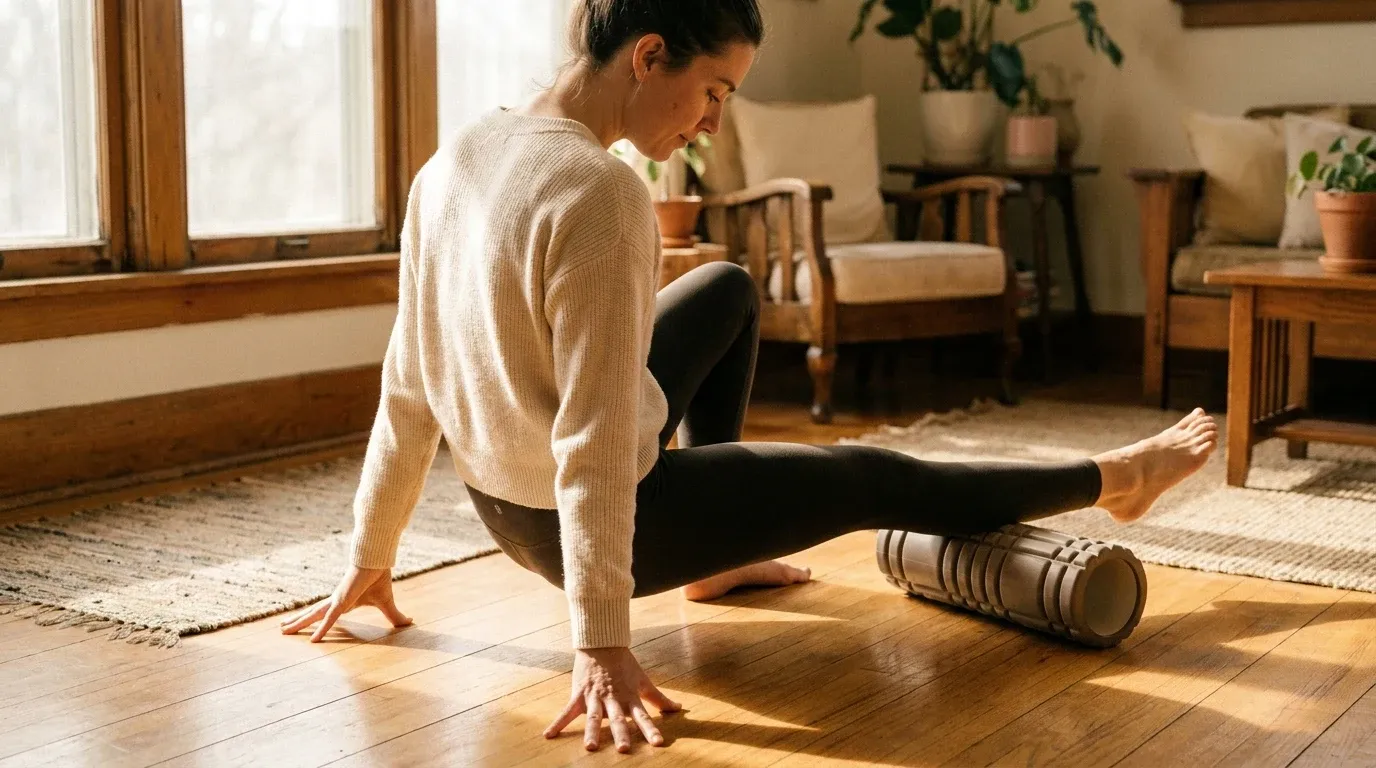
Active Recovery vs Rest Days: What Science Says
Full rest after hard training feels logical, but low-intensity active recovery accelerates repair and reduces soreness better than doing nothing. Here's what the science shows.
Omega-3 After 50: The Evidence-Backed Guide to the Most Researched Supplement for Aging Adults
Omega-3s have the strongest multi-benefit evidence base for adults over 50: heart, brain, joints. Complete guide on dose, EPA vs DHA, and how to pick a quality product.
Cold Water Immersion: What the Science Actually Says About Ice Baths and Recovery
Cold water immersion reduces DOMS 31% better than passive rest. But it can blunt muscle growth if mistimed. Full protocol: temperature, duration, timing, and who should use it.
Sleep and Athletic Performance: The Evidence-Based Protocol
80%+ of muscle protein synthesis happens during sleep. Stanford data, the temperature-light-magnesium protocol, and how much sleep you actually need to maximize athletic performance.
The Recovery Revolution: Why 2026 Is Rejecting Hustle Culture in Fitness
82% of gym members focus more on wellbeing than performance in 2026. The recovery revolution: the biological case against hustle culture and what intelligent training looks like.
Sleepmaxxing and Wearables: Why Sleep Became the #1 Wellness Priority in 2026
The global sleep trackers market hits $30.88 billion in 2026. From AI wearables to sleepmaxxing culture and data privacy tensions, here's what this movement actually means for your health.
Vitamin D and Sleep: A 13% Cognitive Score Boost
Emory University researchers found that older adults with sleep problems and mild cognitive impairment who took 5,000 IU of vitamin D daily scored 13% higher on cognitive tests.
Night Shifts and Insomnia Nearly Triple Long-COVID Risk
Night shift workers with chronic insomnia face nearly 3x the long-COVID risk of healthy day sleepers. Here's the mechanism and what to do about it.
More Sleep, Healthier Heart: What the Data Shows
A European Journal of Preventive Cardiology study links 30 extra minutes of sleep and modest lifestyle shifts to a 10% drop in cardiovascular risk. Here's what the data actually shows.
Chronic Stress and Muscle Tension: The Link You're Ignoring
Chronic stress keeps muscles tense through the same cortisol pathways as overtraining. Here's why stretching alone won't fix it, and what actually does.
Daily Mobility: The 10-Minute Routine That Actually Matters
A 10-minute daily mobility routine covering hips, thoracic spine, and ankles improves joint health, lowers cortisol, and supports better sleep. No equipment needed.

Good Sleep at 50 Could Keep You Working Longer
A new study finds that very disturbed or excessively long sleep at 50+ cuts workforce participation by about nine months. Here's why midlife sleep is now a career asset.
How to Return to the Gym After Injury Without Setbacks
Returning to the gym after injury without re-injury requires phased loading, honest self-assessment, and managing the psychological pressure to rush back.
7 Recovery Supplements: Which Ones Actually Work?
Seven recovery supplements ranked by real evidence. Find out which two are worth buying, which two show promise, and which three are mostly marketing.
Stress Reduction Lowers Blood Pressure: What the New Trial Shows
A new randomized controlled trial confirms that structured stress reduction measurably lowers blood pressure in older adults, reinforcing stress as a key cardiovascular risk factor.

Recovery Is Now a Longevity Strategy, Not an Afterthought
Recovery is no longer just about bouncing back from a workout. It's a core healthspan strategy that shapes how well you age, feel, and perform over decades.
5 Recovery Habits That Actually Extend Your Healthspan
Recovery isn't just for athletes. These five daily habits, backed by longevity research, can measurably extend the years you spend in good health.
AI Is Finding Sleep Insights Doctors Routinely Miss
AI analysis of routine sleep studies is uncovering health signals that standard clinical review misses, with major implications for recovery, aging, and personalized wellness.
Recovery Done Right: Basics Beat Gadgets Every Time
Recovery tech makes headlines, but sleep, nutrition, and stress management remain the highest-leverage tools. Build the fundamentals first, then layer in gadgets.