
Wellness & Recovery Guides
Sleep optimization, stress management, and mobility guides for active people. Science-backed wellness strategies to help you recover and perform better.
Latest articles (539)
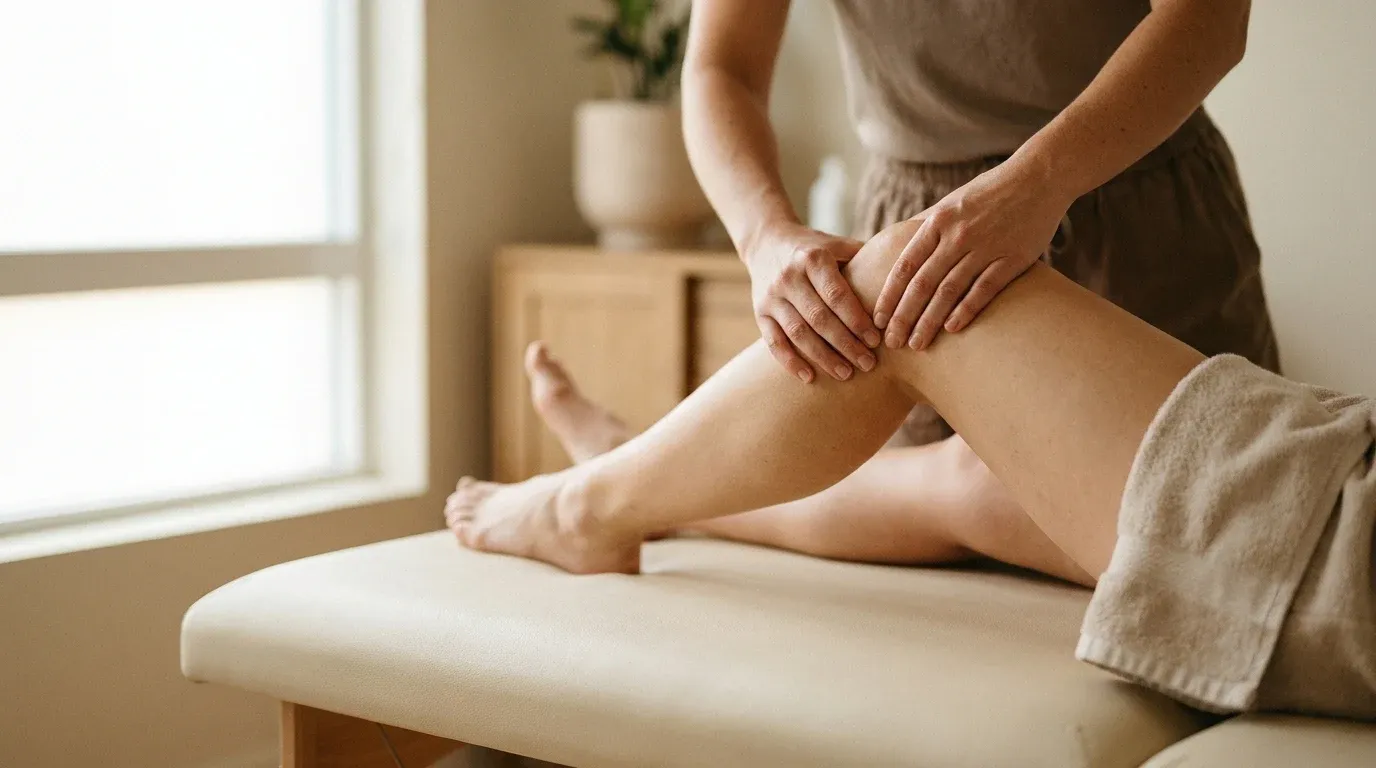
How Physical Therapy Stops Recurring Injuries
Recurring sports injuries aren't bad luck. They're a systems failure. Here's how physical therapy rebuilds what training alone can't fix.

PEMF Therapy for Recovery: What Science Says
PEMF therapy has real evidence for joint pain and soreness relief, but claims about performance gains and faster injury recovery don't yet hold up to scientific scrutiny.
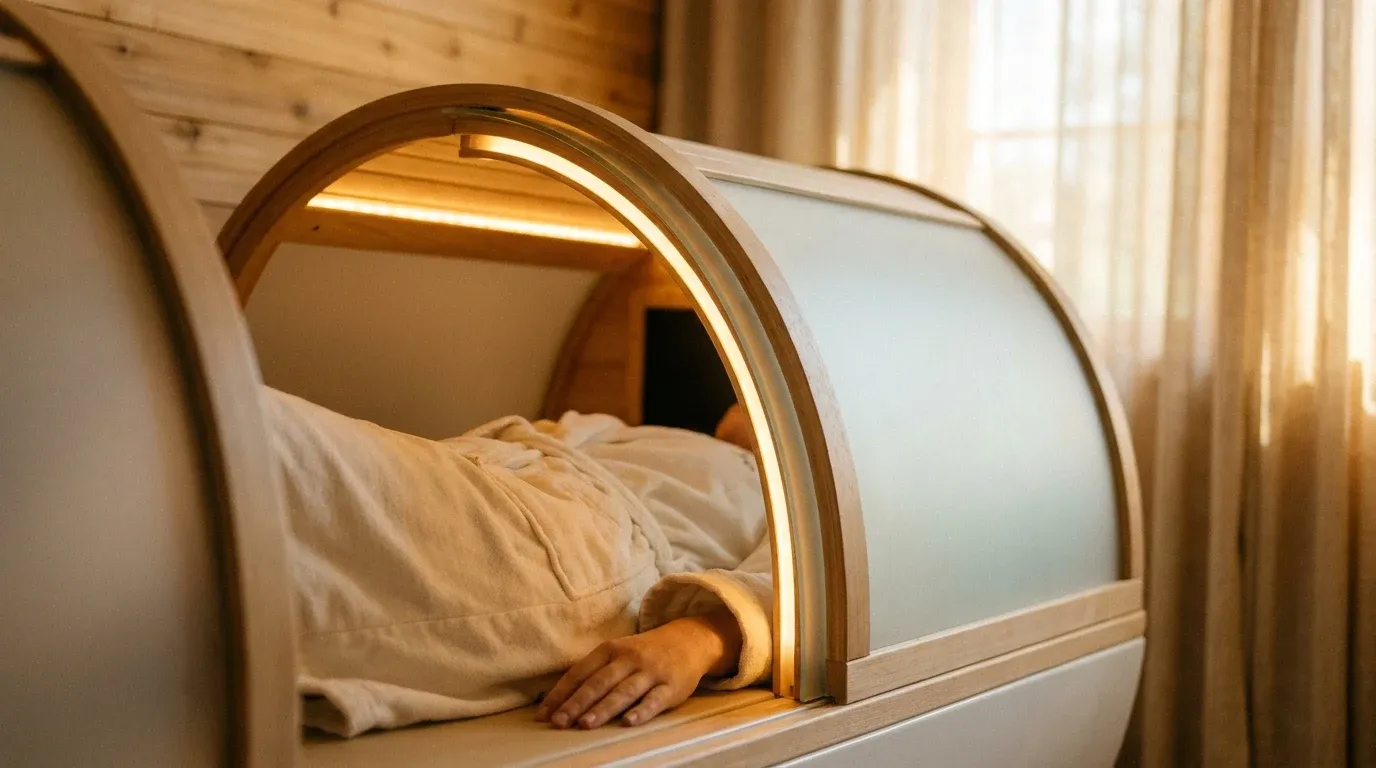
High-Tech Wellness Centers: What They Offer and What to Skip
Premium wellness centers bundle infrared saunas, PEMF, cryotherapy, and more. Here's how to identify which services are evidence-backed and which aren't worth the price.

Stress, Sleep, and Recovery: Your 3-Step Winter Reset
Daylight shrinks, training peaks, and recovery suffers. Here's a 3-step winter plan using light, sleep stacking, and evidence-backed stress tools.

Sleep Consistency: Why Timing Matters as Much as Duration
Sleeping enough isn't the whole story. Research shows sleep timing consistency independently predicts cardiovascular and brain health outcomes, even when total hours are adequate.

Kids and Sleep Drugs: Why There's Still No Approved Option
The FDA's breakthrough therapy designation for daridorexant reveals a stark gap: no approved sleep drug exists for children, and behavioral strategies remain the best-supported option.
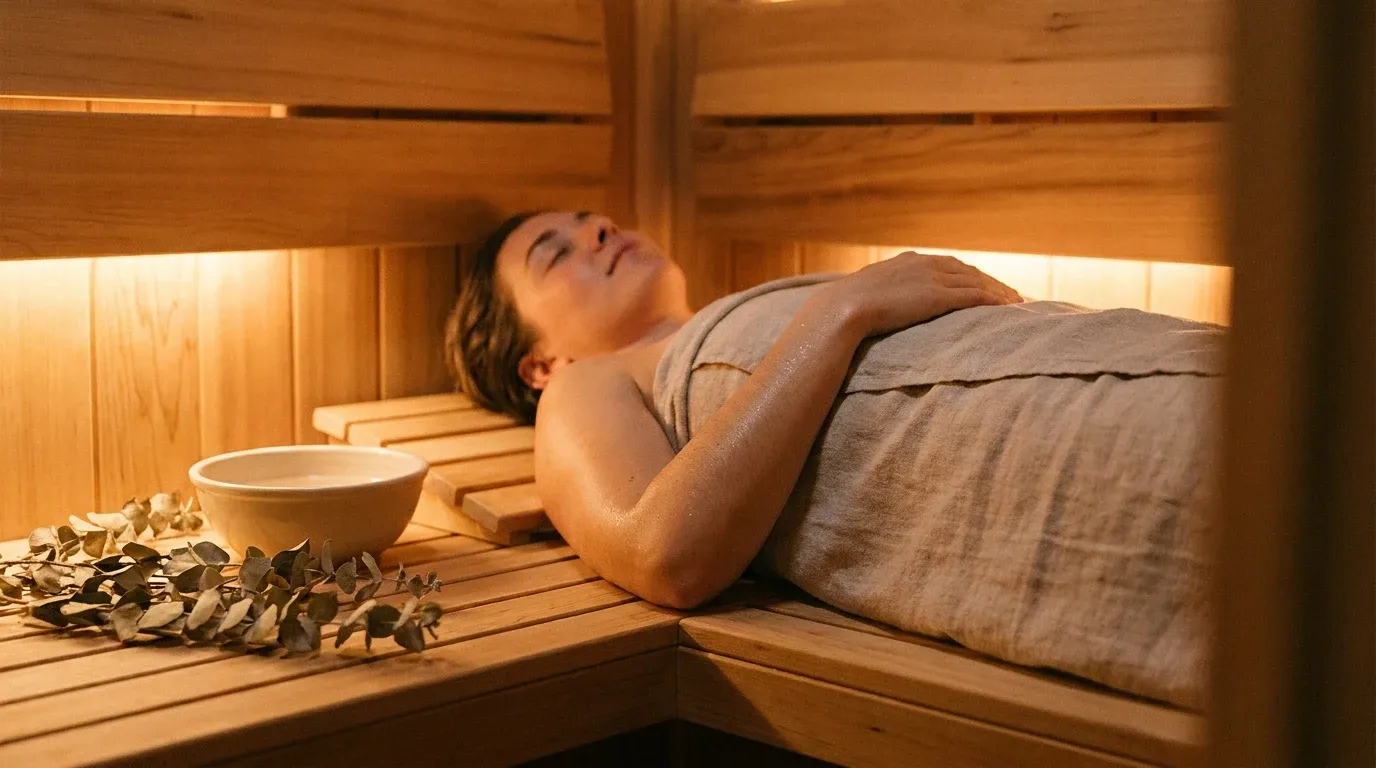
Infrared Sauna for Recovery: What a 3-Week Trial Found
A 3-week infrared sauna trial tracked muscle damage markers, soreness, and inflammation across recreational athletes, delivering the clearest protocol yet for structured recovery use.
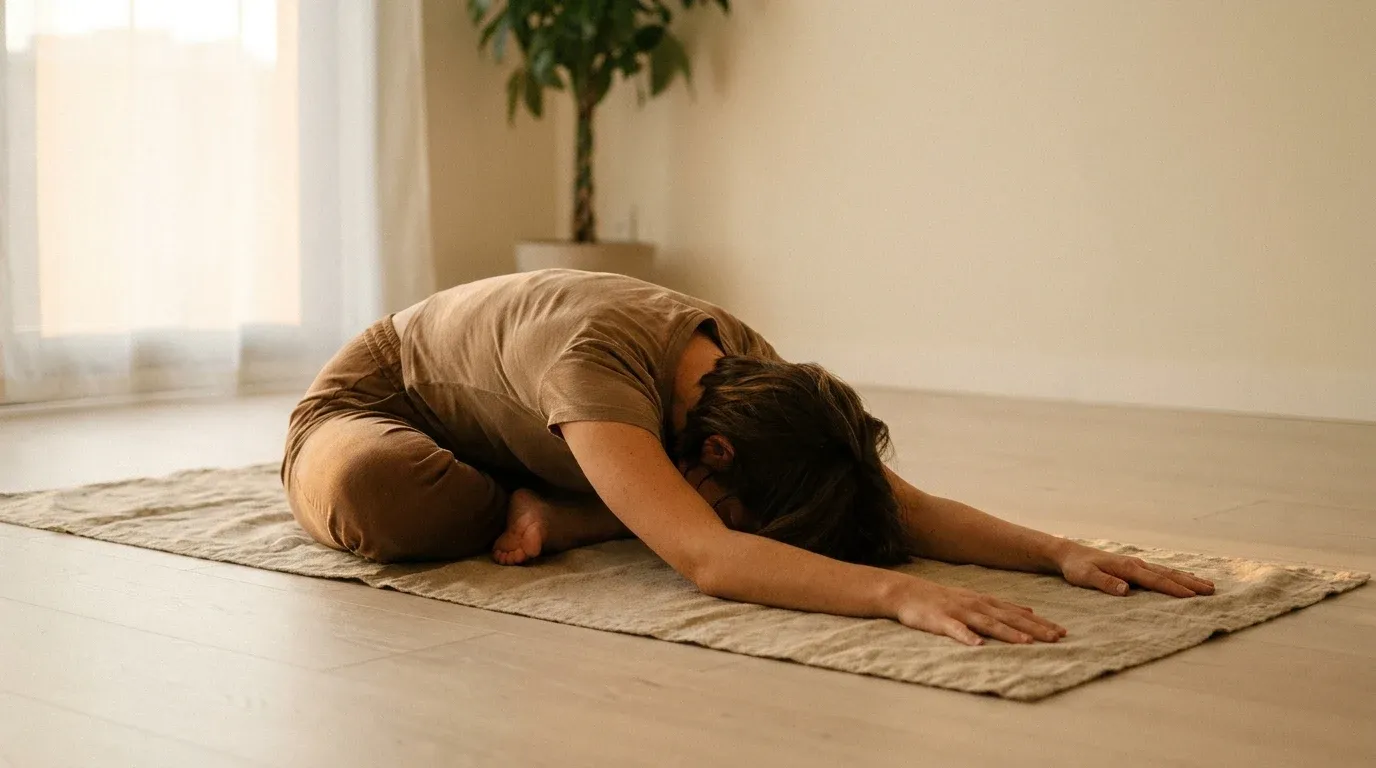
Yoga for Stress: What 24 Years of Science Actually Show
A bibliometric review of 24 years of yoga research confirms real stress-reduction benefits while exposing key gaps in age, occupation, and cultural diversity.

Irregular Sleep Schedule Raises Your Heart Risk
New AHA research shows that irregular bedtimes and variable sleep duration independently raise heart attack, stroke, and heart failure risk, making consistency as critical as total sleep hours.
Good Sleep Shields the Brain From Cardiometabolic Damage
Karolinska Institutet research shows good sleep preserves brain volume and cognitive function in people with diabetes, heart disease, or stroke.

How Deep Sleep Protects Your Memory as You Age
Disrupted slow brain waves during deep sleep are linked to tau buildup and memory decline. Here's what the science means for your long-term brain health.

Super HGF: The Protein That Could Repair Aging Muscles
Scientists have engineered a "Super HGF" protein that more than doubles muscle-repair binding power and resists age-related degradation. Here's what it means for your recovery.

How to Sleep Better When Your Health Is Already Compromised
If you're managing diabetes, hypertension, or obesity, generic sleep advice won't cut it. Here's what the research actually recommends for your situation.
What Modern Performance Science Says About Recovery
Performance science now treats recovery as an active, multi-system process. Here's what that means for how everyday athletes should actually train and rest.

Mind-Body Approaches for Stress: What Science Actually Says
Breathing exercises have solid science. Many popular stress tools don't. Here's a clear-eyed look at which mind-body interventions actually hold up to scrutiny.

Election Stress Is Real. Here's What It Does to Your Body
Election stress affects 70% of Americans and triggers real physiological changes. Here's what happens in your body and what actually helps.

International Stress Awareness Week: 5 Tools That Work
Five research-backed stress tools, ranked by ease of use, to cut through generic advice and build real relief and resilience this International Stress Awareness Week.

Some Recovery Tricks Can Backfire. Here's Why
Popular recovery tools like ice baths and antioxidant supplements can blunt the adaptation signals that make hard training worth doing. Here's what the research says.

Election Stress Is Real. Here's What It Does to Your Body
Seventy percent of Americans report election-related stress. Here's exactly what that does to your cortisol, sleep, and immune system — and how to fix it.

Good Sleep Protects Your Brain When Your Heart Is at Risk
New research shows good sleep actively shields brain health in people with cardiometabolic conditions. Here's what that means for you and what to do about it.
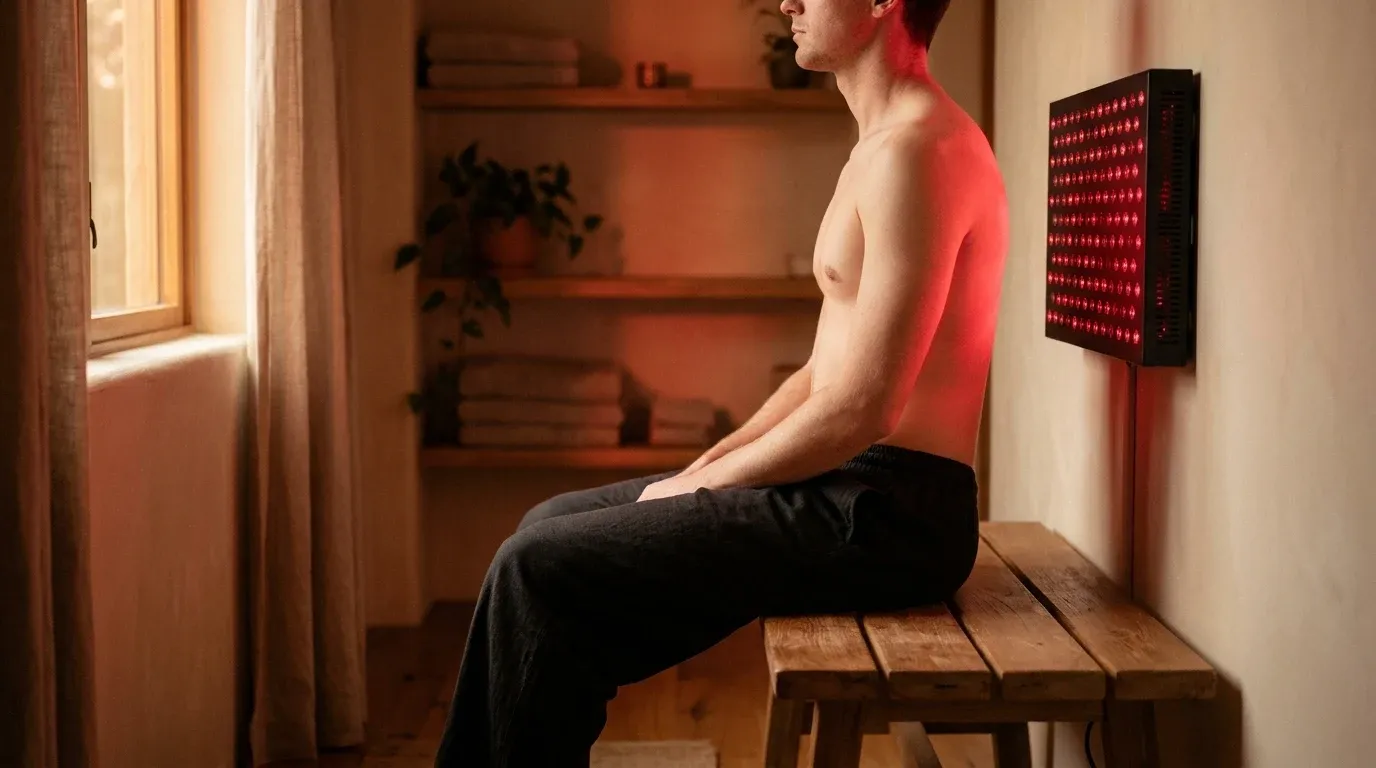
Red Light Therapy: Does Timing Actually Matter for Recovery?
Red light therapy works. but only if you're using it at the right time. Here's what photobiomodulation actually does and when the evidence says to apply it.

Does Hot Tub Therapy Actually Help You Recover After Hard Exercise?
Purdue researchers are studying hot tub therapy for muscle recovery. Here's what the existing science says about heat vs. cold immersion after hard training.
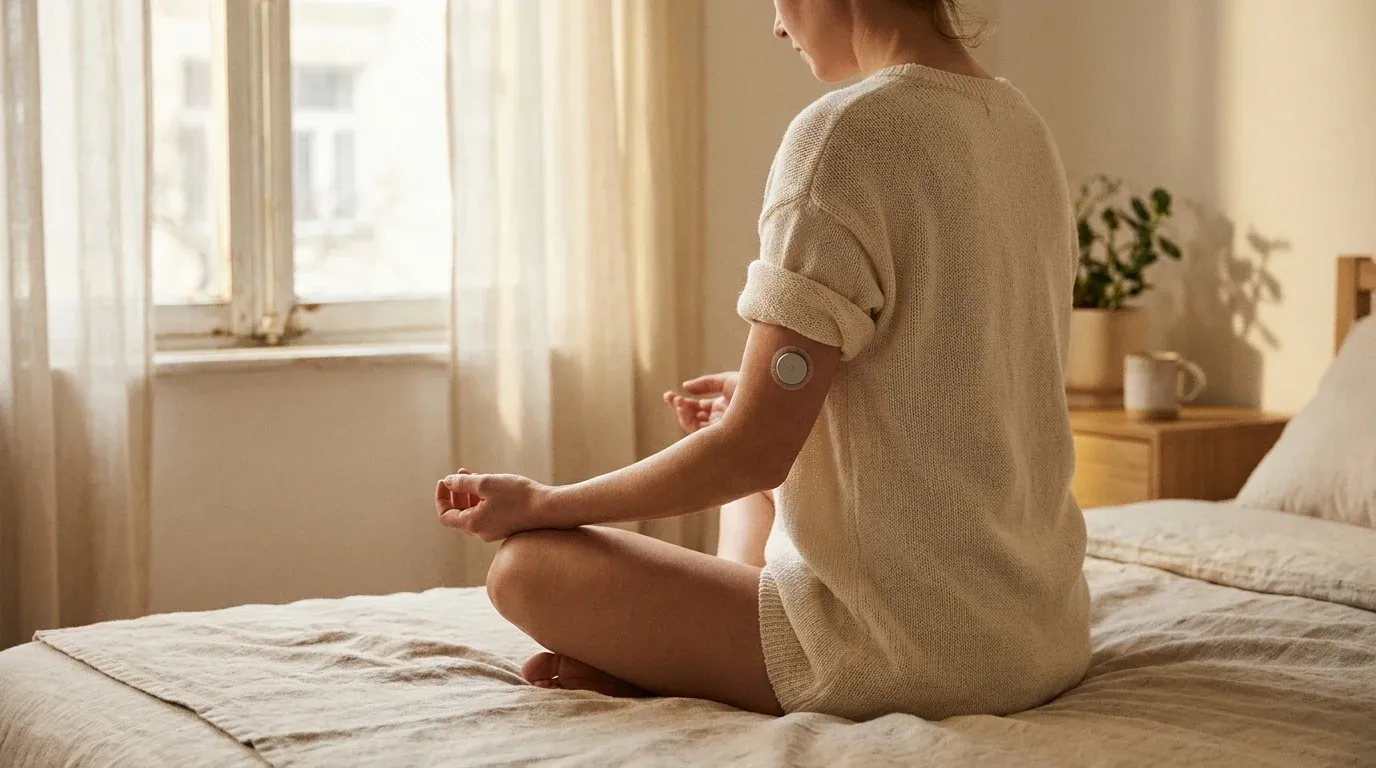
How Stress Quietly Spikes Your Blood Sugar
Chronic stress raises cortisol, spikes blood sugar, and undermines insulin sensitivity. New research shows stress management can rival medication in improving HbA1c.
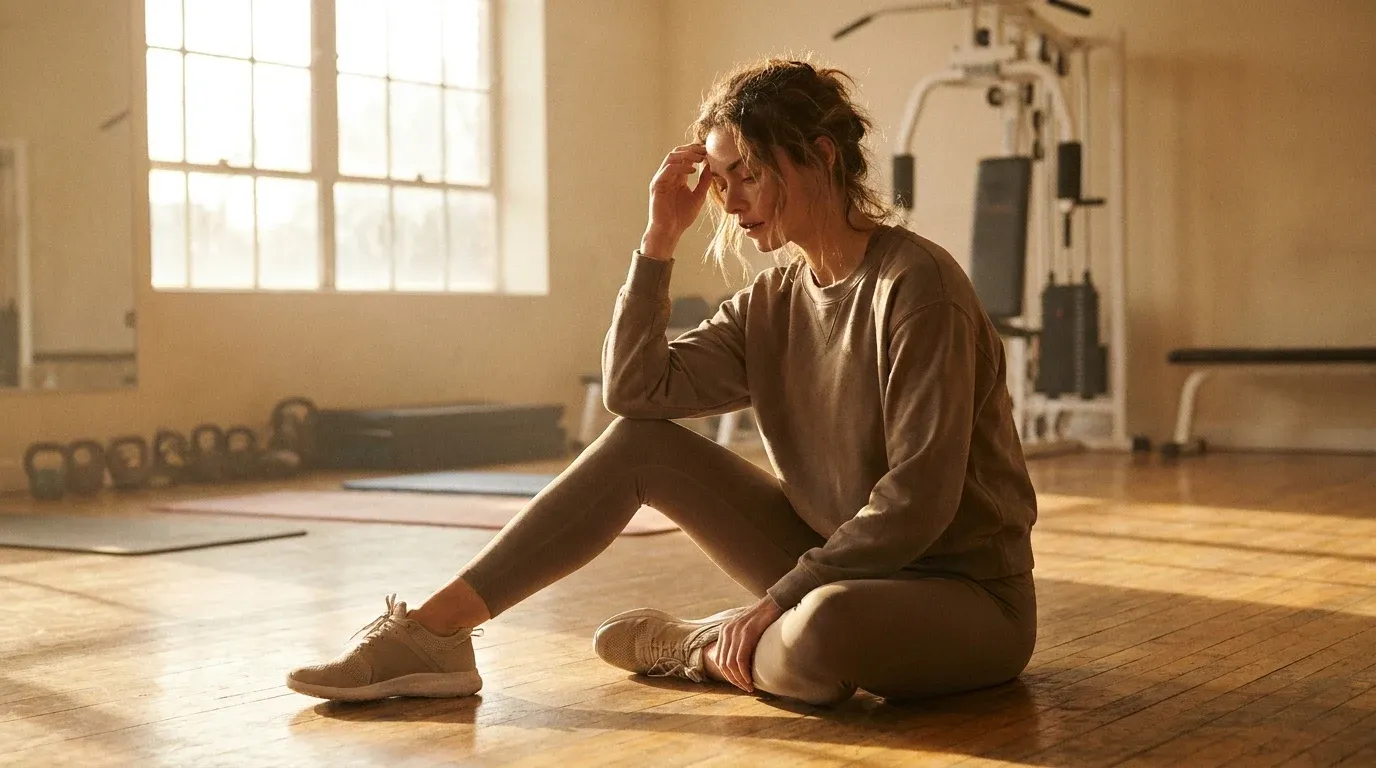
Rest vs. Movement: How to Read Your Recovery Signals
The science on rest vs. movement is more nuanced than ever. Here's a practical decision framework to guide your recovery choices based on what the evidence actually shows.