
Wellness & Recovery Guides
Sleep optimization, stress management, and mobility guides for active people. Science-backed wellness strategies to help you recover and perform better.
Latest articles (539)
Recovery Done Right: The 8 Pillars Science Actually Backs
Recovery requires more than foam rolling. Here are the 8 evidence-backed pillars, from sleep to stress management, that actually drive adaptation and results.
The Breathing Techniques That Actually Reduce Stress
Slow breathing, box breathing, and physiological sighing each target your autonomic nervous system differently. Here's what the evidence actually says about each.

Sleep Duration vs. Consistency: Which One Matters More?
Emerging research shows sleep timing consistency predicts health outcomes independently of duration. Here's what that means for your schedule.

Could an Erratic Sleep Schedule Hurt Your Mental Health?
Irregular sleep timing, independent of total hours, is linked to higher anxiety, depression, and mood instability. Here's what the research says and how to fix it.
What Your Wearable Actually Knows About Your Sleep
Your smartwatch estimates sleep stages using heart rate and movement, not brain waves. Here's what the data actually means and when to act on it.
Can Your Smartwatch Screen for Sleep Apnea?
A Samsung-backed study shows smartwatches can estimate apnea-hypopnea index and flag moderate-to-severe OSA, potentially reaching millions who don't know they have it.
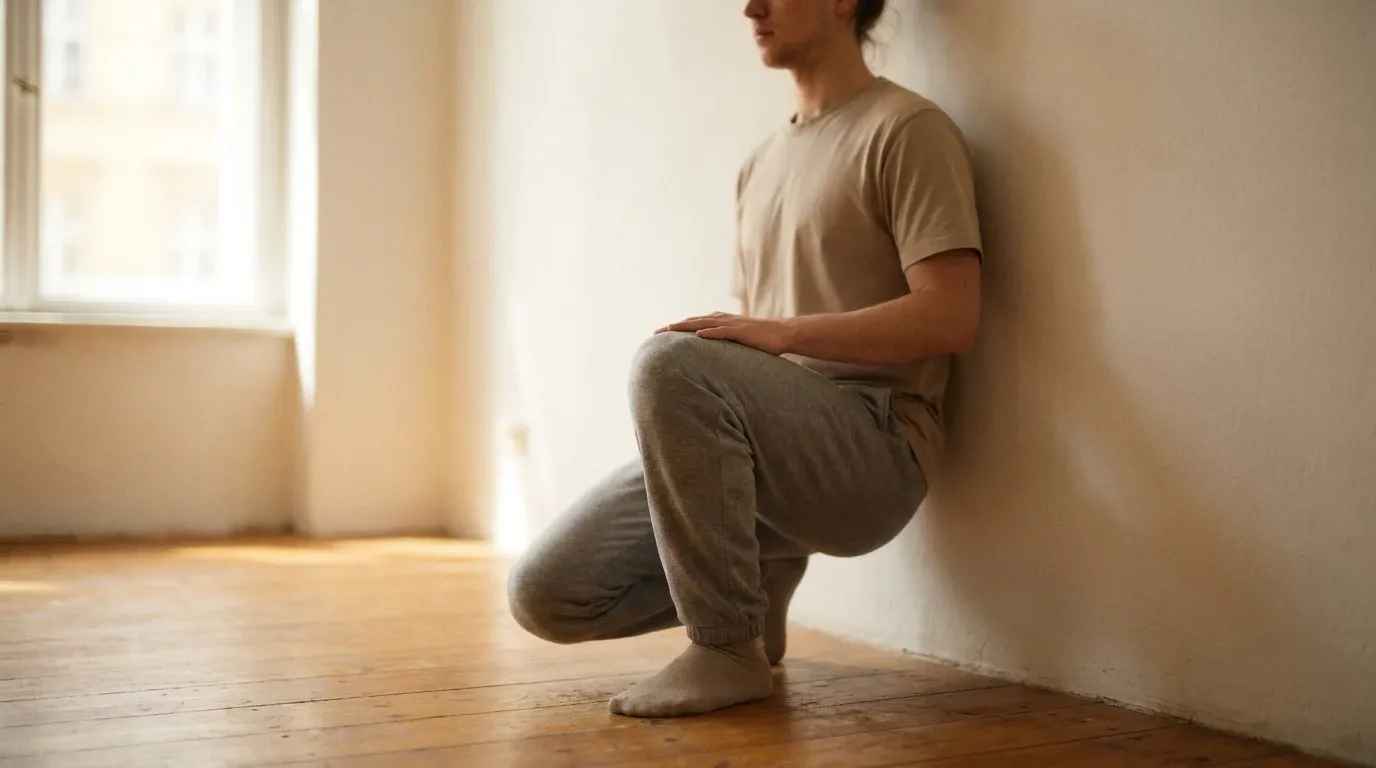
Knee Pain: Why Moving Is Usually the Right Answer
Resting a chronically painful knee usually makes things worse. Here's what the science says about loading your joint back to health.
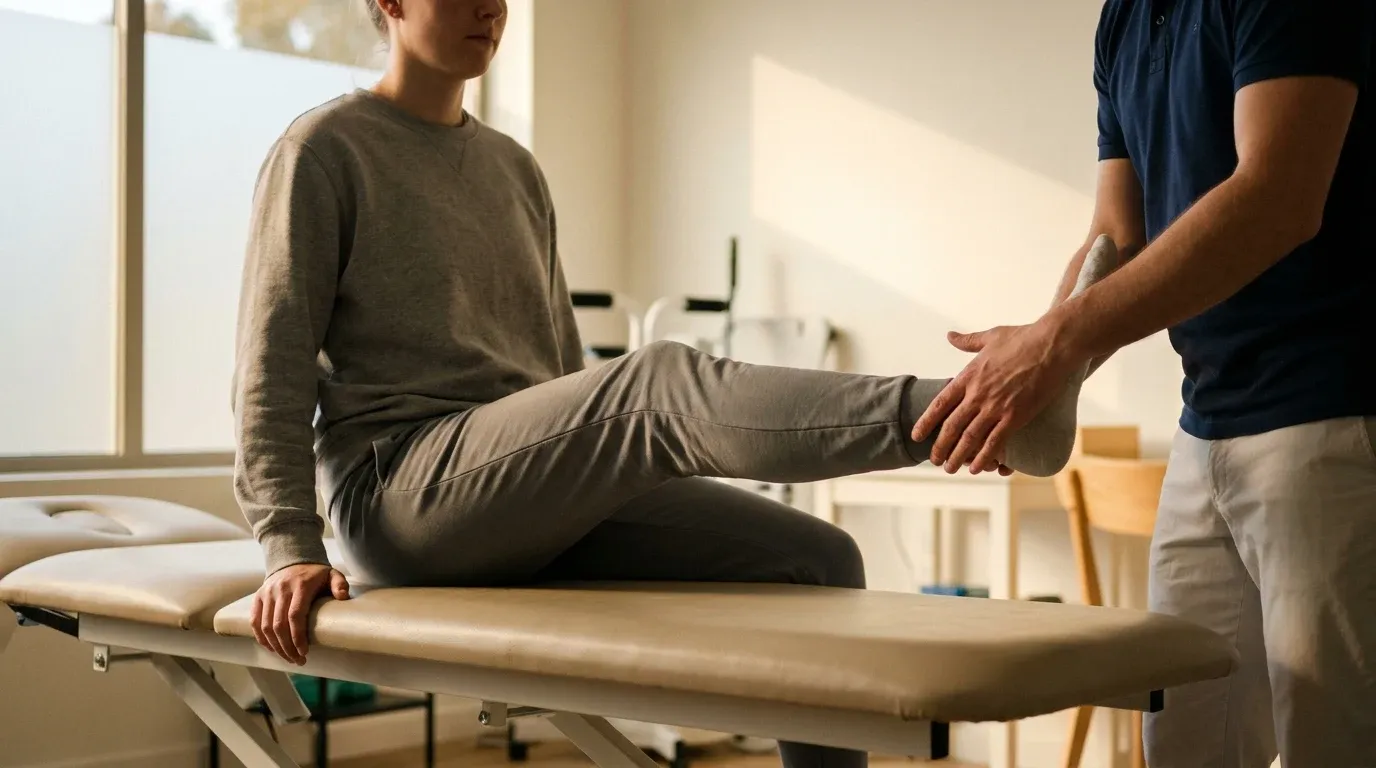
Exercise After ACL Surgery Is Safer Than You Thought
New SUPER-Knee trial evidence shows supervised exercise after ACL reconstruction protects cartilage rather than damaging it, overturning a long-held clinical fear.

Narrative Therapy Cuts PTSD and Aggression in New Study
A November 2026 randomized trial finds Narrative Exposure Therapy significantly cuts PTSD symptoms and aggression, with broader implications for anyone carrying chronic stress.
Stimulus Control: The Sleep Rule That Actually Retrains Your Brain
Stimulus control is the evidence-based behavioral technique at the core of CBT-I. Here's how it retrains your brain to associate bed with sleep again.
Sleep Restriction Therapy: The Counterintuitive Fix That Works
Sleep restriction therapy limits time in bed to rebuild your natural sleep drive. Here's the science behind CBT-I's most counterintuitive, and effective, component.
CBT-I Is the Insomnia Fix Most People Have Never Heard Of
CBT-I is a structured, six-session therapy proven to outperform sleeping pills long-term. Here's exactly how it works and how to ask for it.
What Restless Nights Actually Do to Your Brain Over Time
New brain imaging research confirms sleep disorders cause lasting structural changes. Here's which regions are affected and what to do about it.
An Oral GLP-1 Pill Cuts Sleep Apnea Episodes by 18/Hour
Phase III data shows Lilly's oral GLP-1 pill orforglipron cut sleep apnea episodes by ~18/hour vs. 5 in placebo, raising new non-CPAP treatment options.
GLP-1 for Sleep Apnea: What the New Data Really Means
Orforglipron cut sleep apnea events by 18 per hour vs. 5 on placebo at AHA 2026. Here's what the data actually means for CPAP users and patients.
Sleep Is Your Most Underused Performance Tool
Two studies show sleep extension boosts athletic performance while disruption reshapes brain structure. Here's how to treat sleep as a training variable.
More Sleep Actually Makes You a Better Athlete
A new systematic review confirms sleep extension measurably boosts athletic performance, cognition, and recovery. Most athletes aren't using it.
Sleep Disorders Are Quietly Changing Your Brain
New brain imaging research shows sleep disorders cause structural changes in areas governing attention, decision-making, and emotion. Poor sleep is a cognitive issue, not just fatigue.
Popular Recovery Tricks That Can Actually Backfire
Scientists warn that ice baths, supplements, and compression gear may blunt muscle adaptation. Here's what recovery research actually supports.
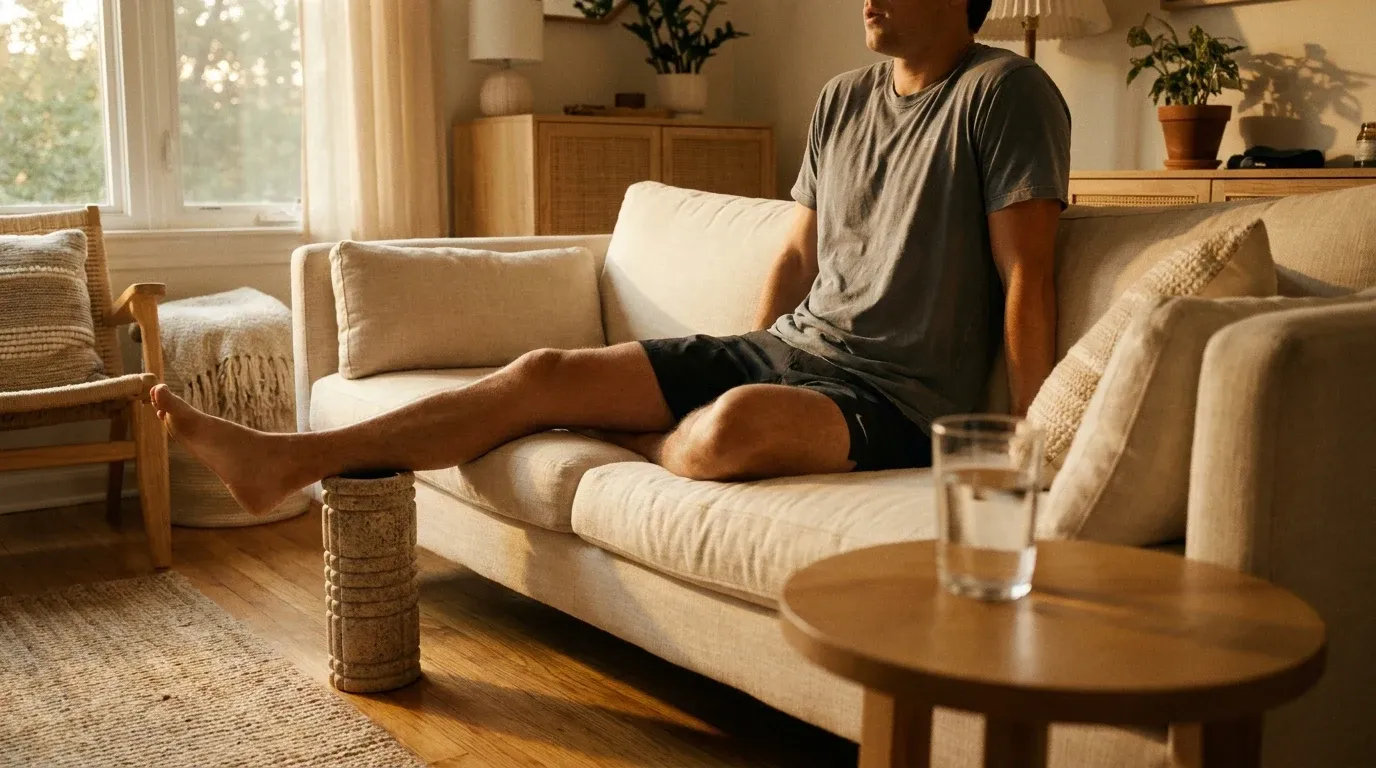
What Actually Works for Recovery in 2026
Ice baths, red light, and ketones failed new 2026 research. Here's what the evidence actually supports for recovery: sleep, protein timing, and rest.
Sleep Duration vs. Quality: What Actually Matters
New long-term sleep research confirms that REM proportion and sleep continuity matter more for your health than simply hitting 8 hours a night.
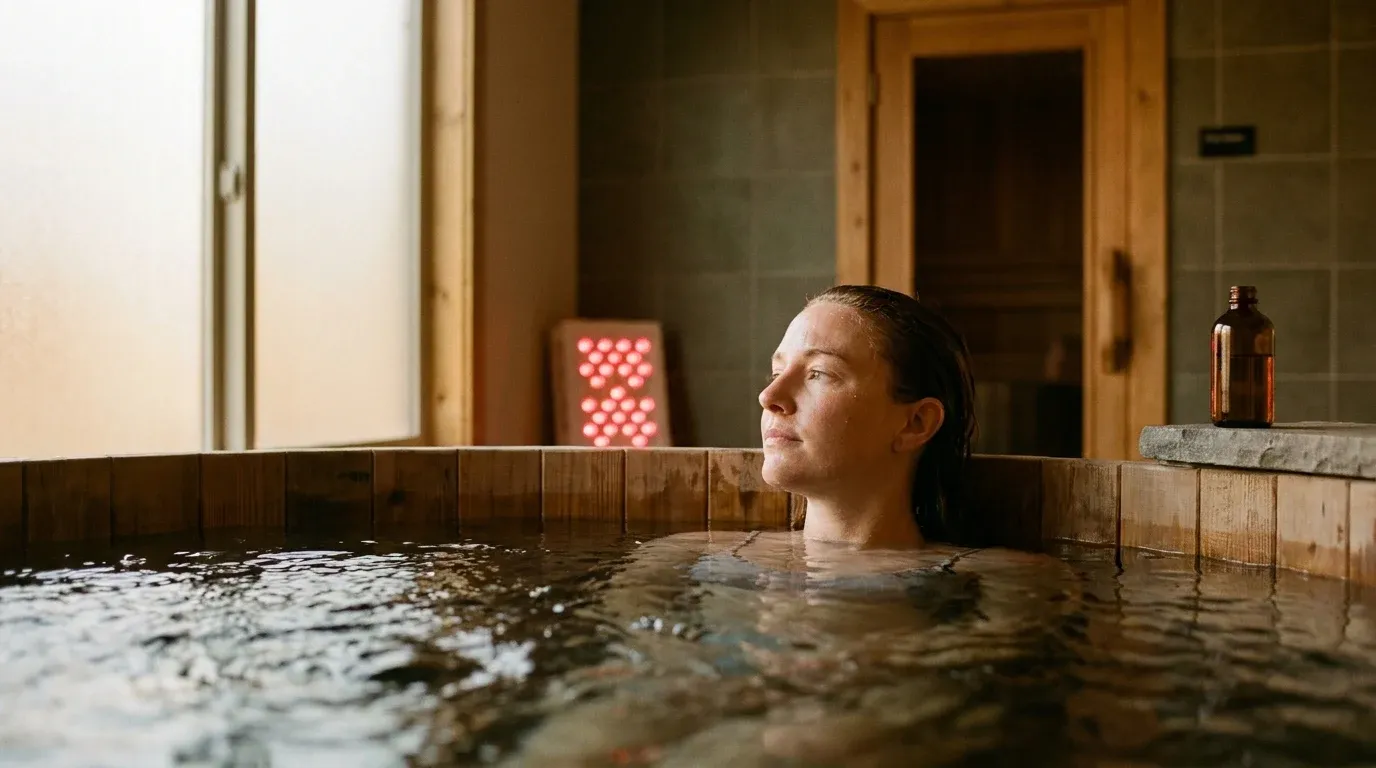
Recovery Myths: Ice Baths, Red Light, Ketones Tested
New research tests ice baths, ketone supplements, and red light therapy simultaneously. None deliver on their core recovery promises. Here's what actually works.
Marijuana and Sleep: What a 35-Year Study Found
A 35-year longitudinal study found that regular marijuana use doesn't improve sleep quality long-term, challenging one of the most common reasons people use cannabis at night.

Why Stress Kills Long-Term Weight Maintenance
Most people regain lost weight within three years. Research shows stress management and mindful eating aren't extras. They're the core mechanism for lasting results.