
Wellness & Recovery Guides
Sleep optimization, stress management, and mobility guides for active people. Science-backed wellness strategies to help you recover and perform better.
Latest articles (539)
AI Is Finding Sleep Insights Doctors Routinely Miss
AI analysis of routine sleep studies is uncovering health signals that standard clinical review misses, with major implications for recovery, aging, and personalized wellness.
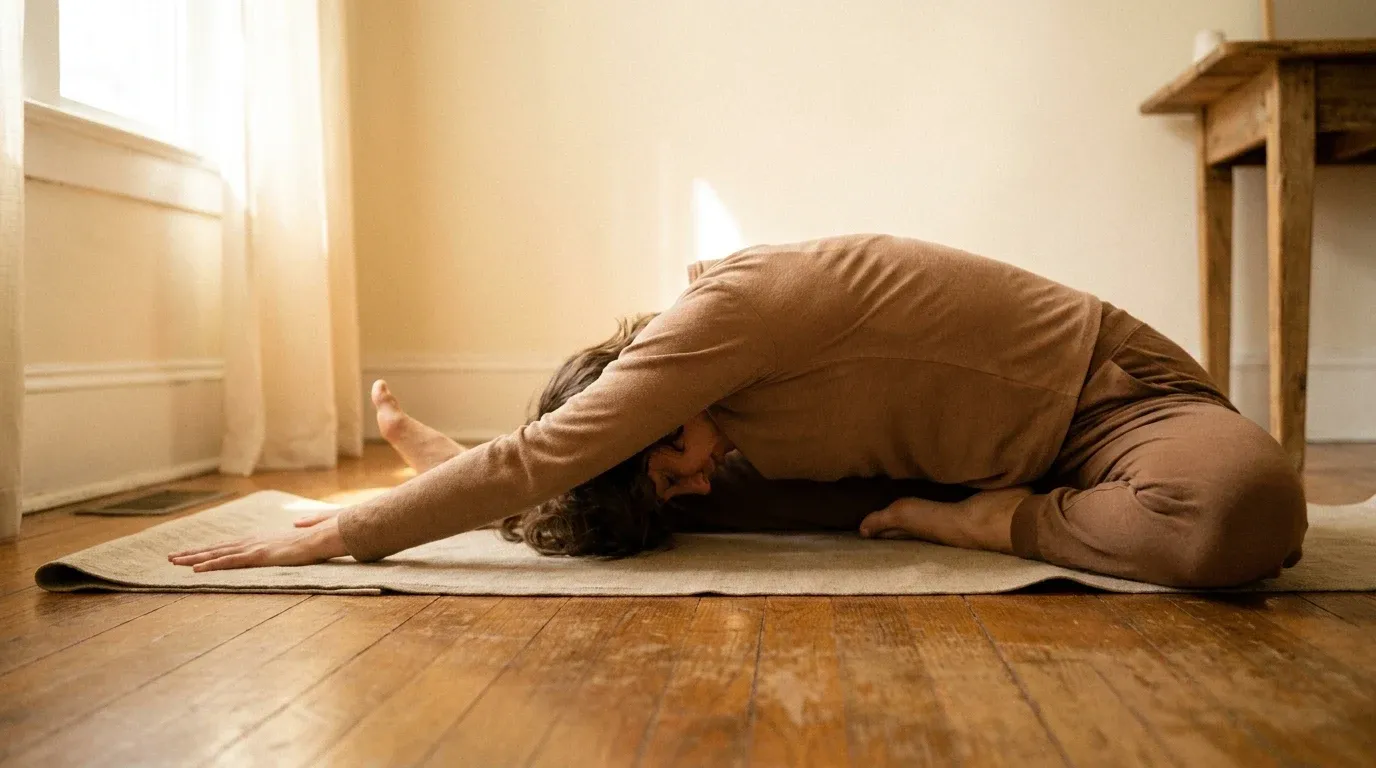
Recovery Done Right: Basics Beat Gadgets Every Time
Recovery tech makes headlines, but sleep, nutrition, and stress management remain the highest-leverage tools. Build the fundamentals first, then layer in gadgets.
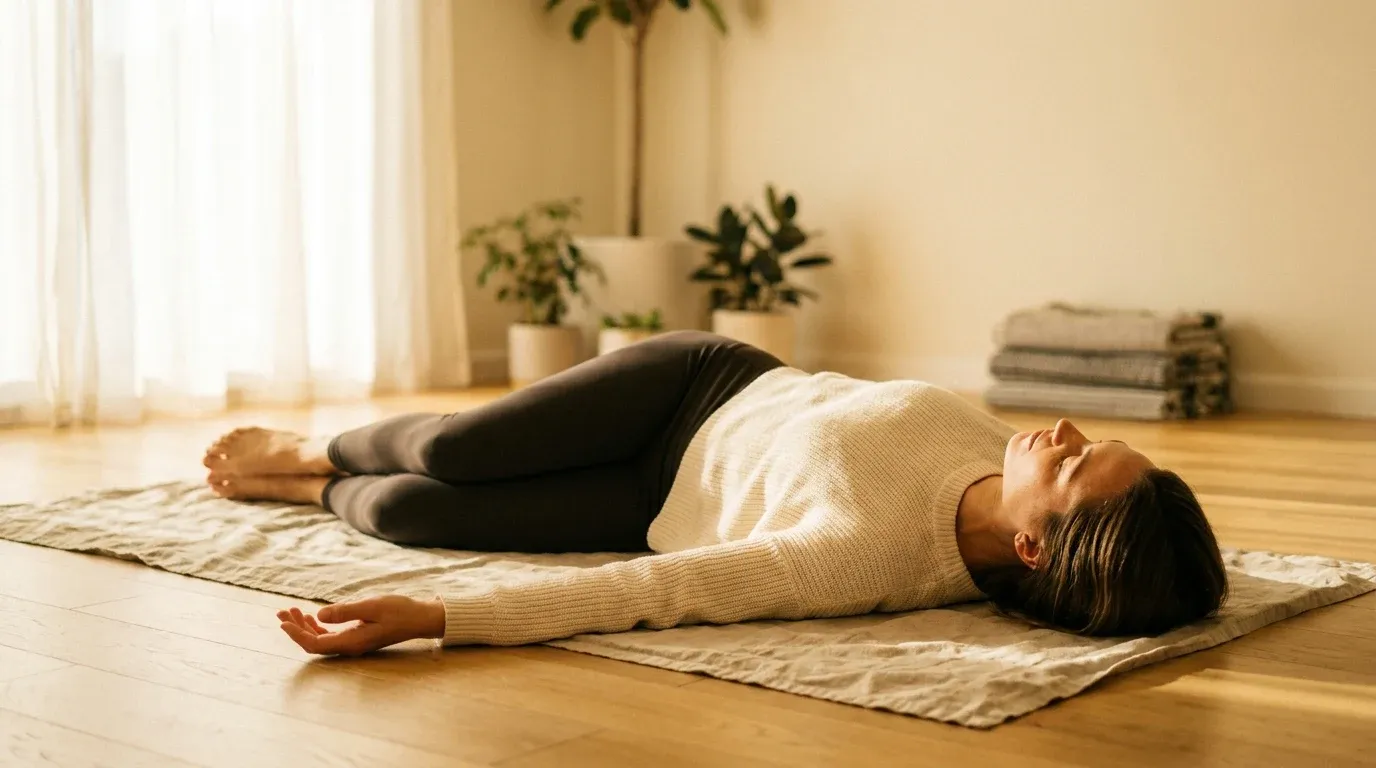
Mind-Body Approaches for Stress: What the Science Shows
NCCIH research identifies meditation, yoga, and breathwork as having the strongest evidence for stress and anxiety reduction. Here's what the science actually shows.
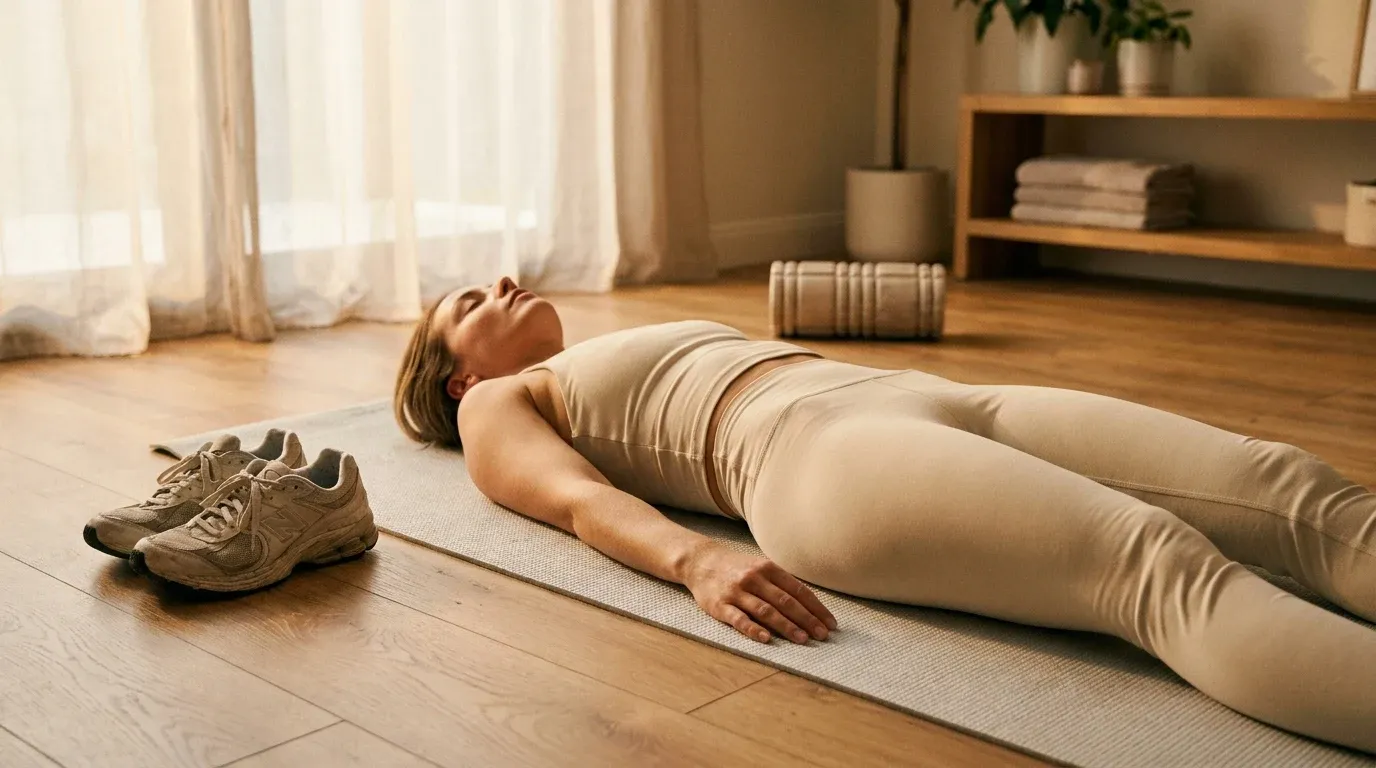
Why a Week Off the Gym Can Actually Build More Muscle
A strategic rest week doesn't erase your gains. It unlocks them. Here's why a planned deload builds more muscle than grinding through fatigue.

When Your Training Is Secretly Sabotaging Your Sleep
Disrupted sleep is often the first warning sign of overtraining, triggering a cycle that drives athletes to train harder and recover less.
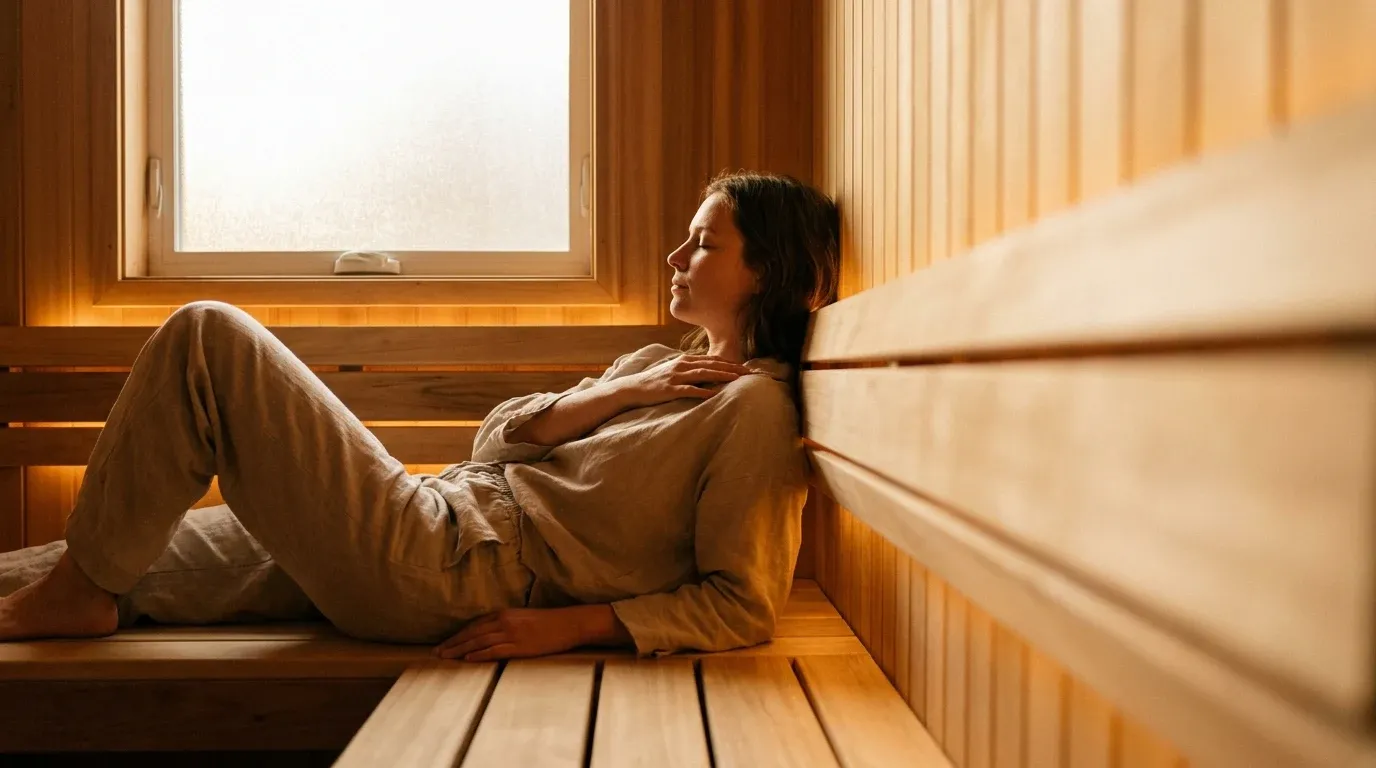
Infrared Sauna After a Workout: What the Science Says
New research confirms post-workout infrared sauna sessions offer real recovery benefits, but only when sleep, protein, and smart training are already in place.
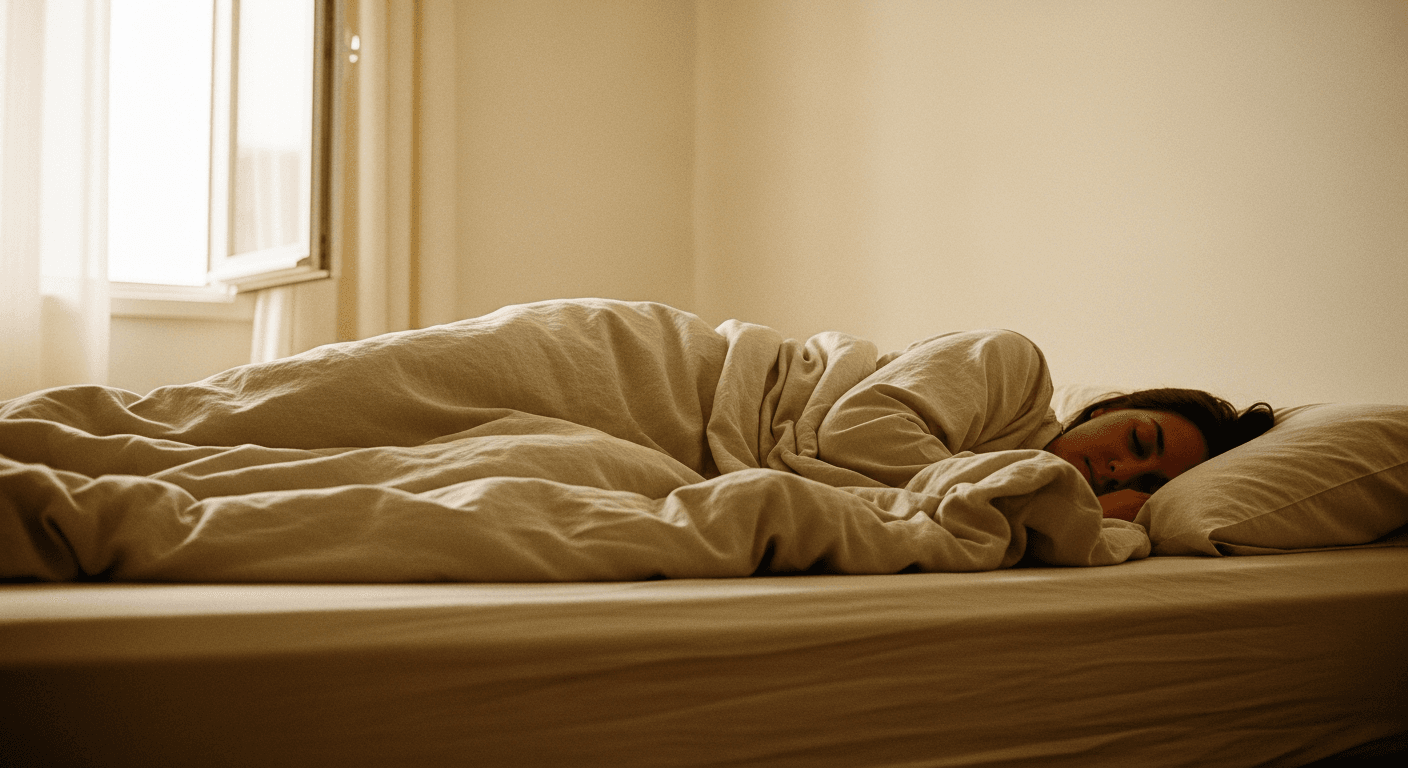
Your Sleep Habits Could Actually Add Years to Your Life
Consistent sleep habits are now linked to a longer lifespan. Science shows that sustained good sleep could add nearly five years to your life.
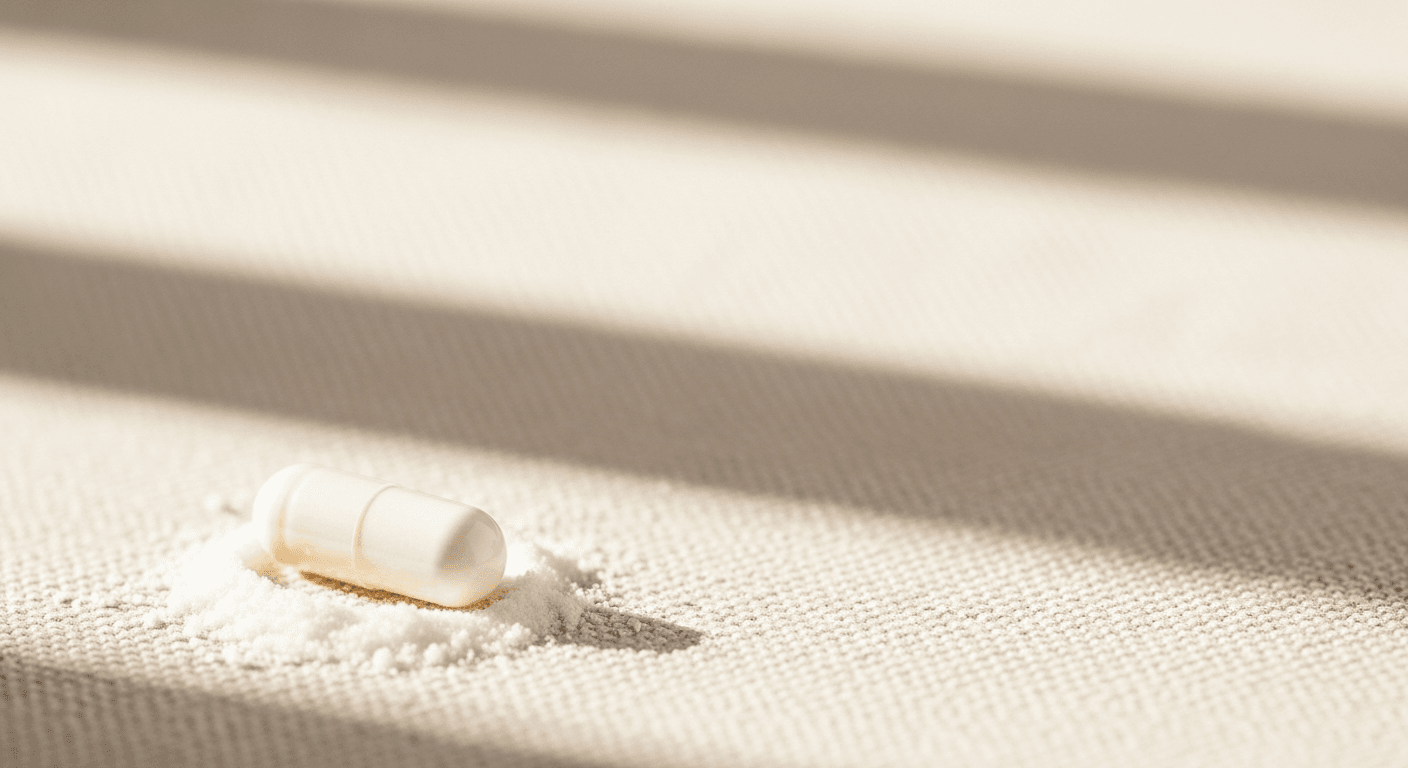
Can 1g of MSM Per Day Speed Up Your Recovery?
New research suggests 1g of MSM daily may support exercise recovery. Here's a calm, evidence-first look at whether it belongs in your routine.
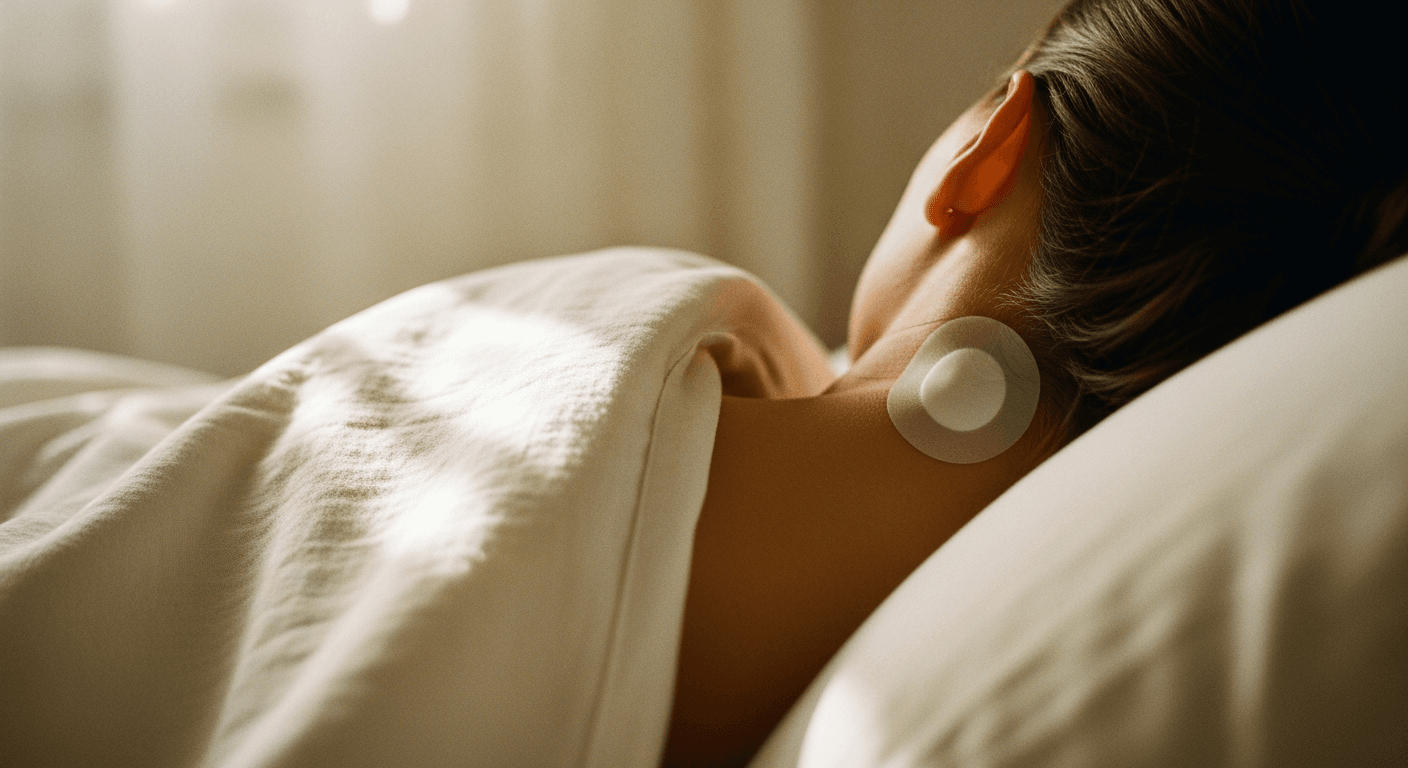
New Wearable Patch Boosts REM Sleep Without Drugs
UT Austin's NEUSLeeP skin patch uses non-invasive brain stimulation to help users reach REM sleep 43 minutes sooner, with no drugs or surgery required.
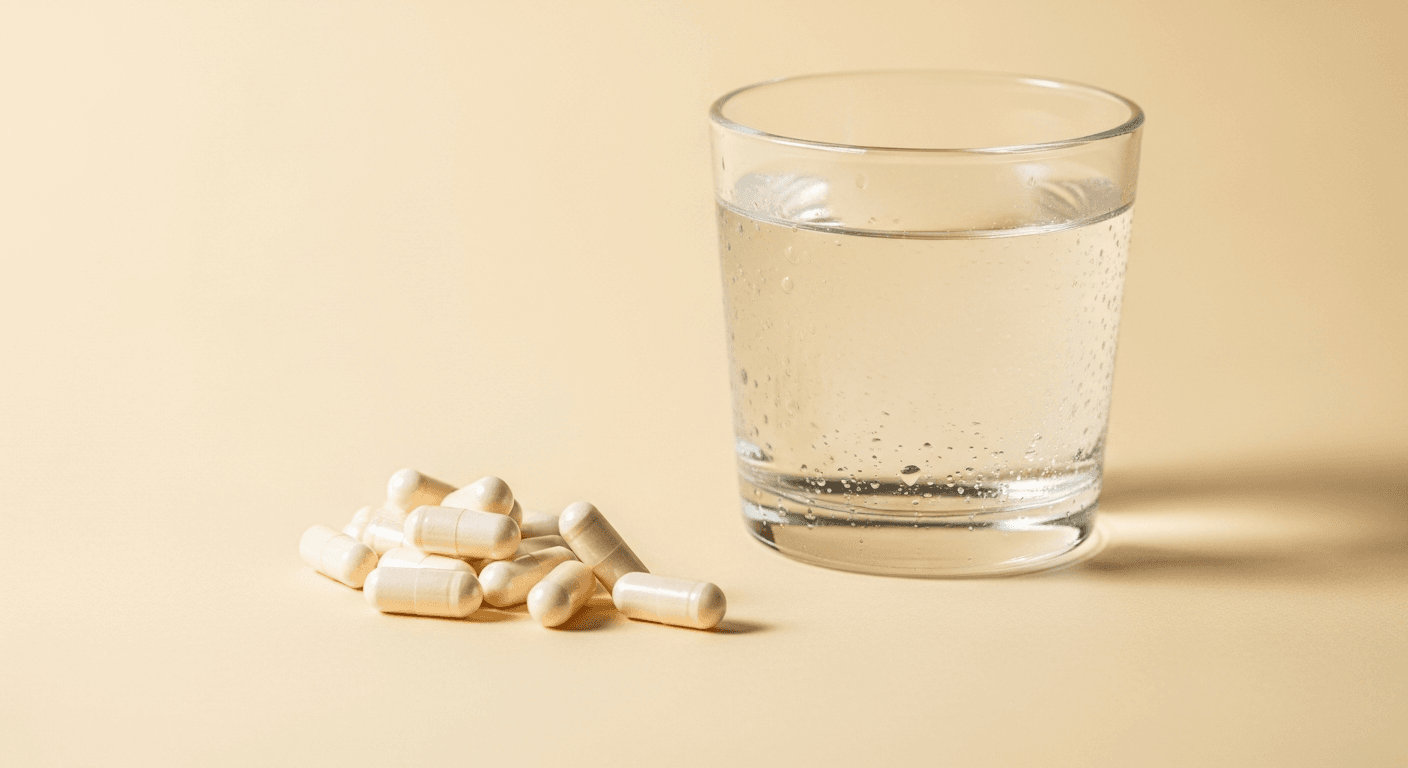
MSM at 1g a Day: New Evidence for Exercise Recovery
New clinical research pins 1g/day as an effective MSM dose for exercise recovery. Here's what the evidence shows and how to use it.
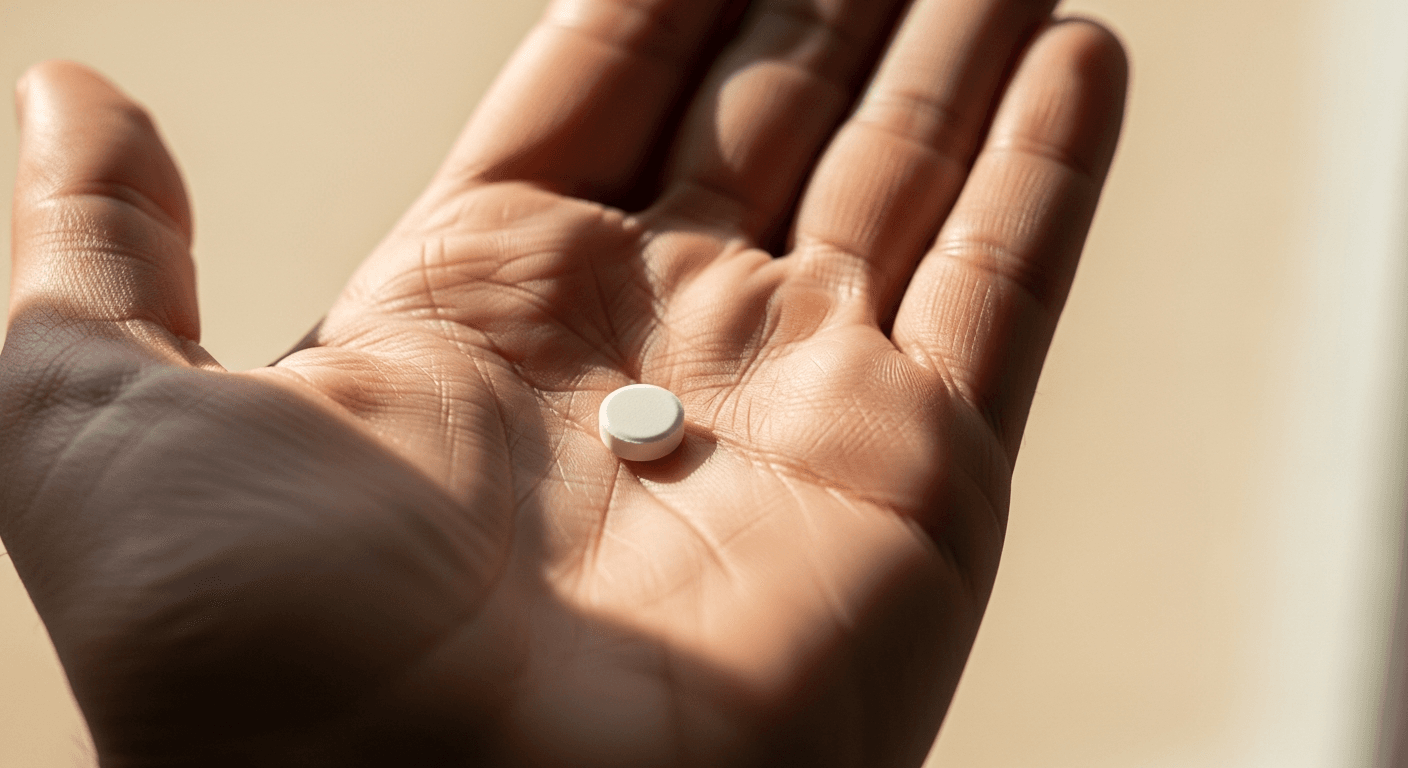
2mg Sustained-Release Melatonin: What the Science Now Says
A 28-day polysomnography trial shows 2 mg sustained-release melatonin improves sleep efficiency, onset latency, and well-being with no safety concerns.
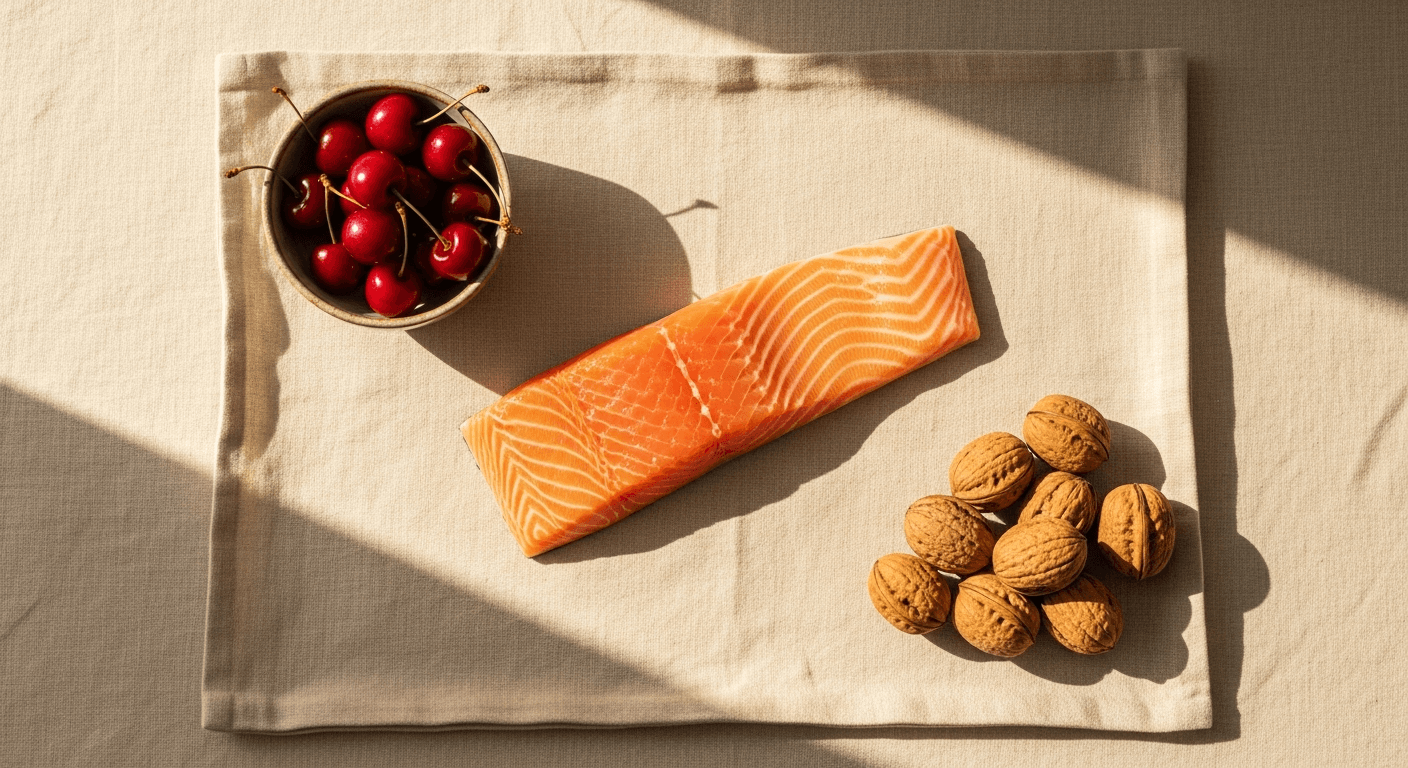
The Best Foods for Muscle Recovery After Exercise
A registered dietitian breaks down the science-backed foods that speed muscle recovery, from tart cherry antioxidants to omega-3s, beyond the protein shake.
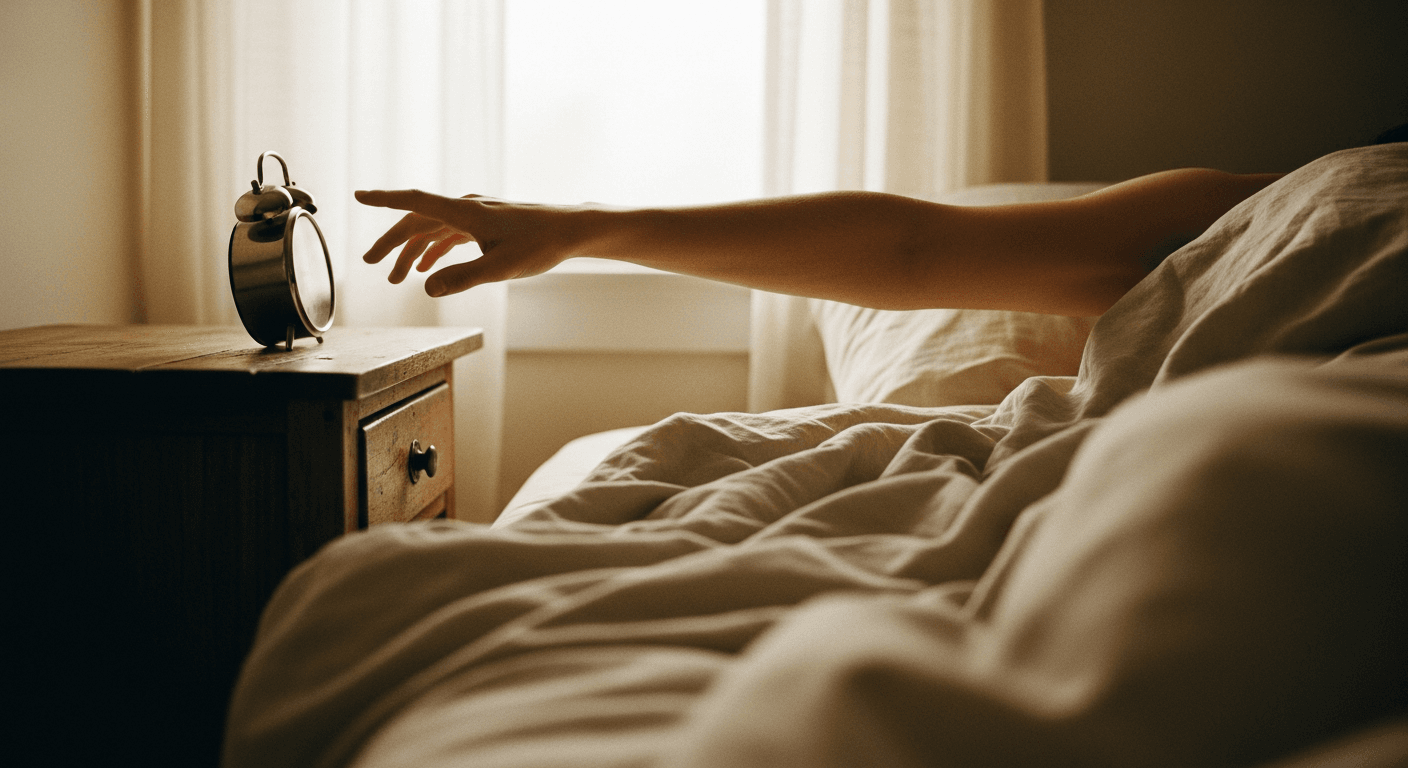
Losing 80 Minutes of Sleep Can Make You Gain Weight
A new study shows losing just 80 minutes of sleep per night over six weeks causes weight gain and reduced activity. Sleep isn't just recovery. It's a body composition tool.
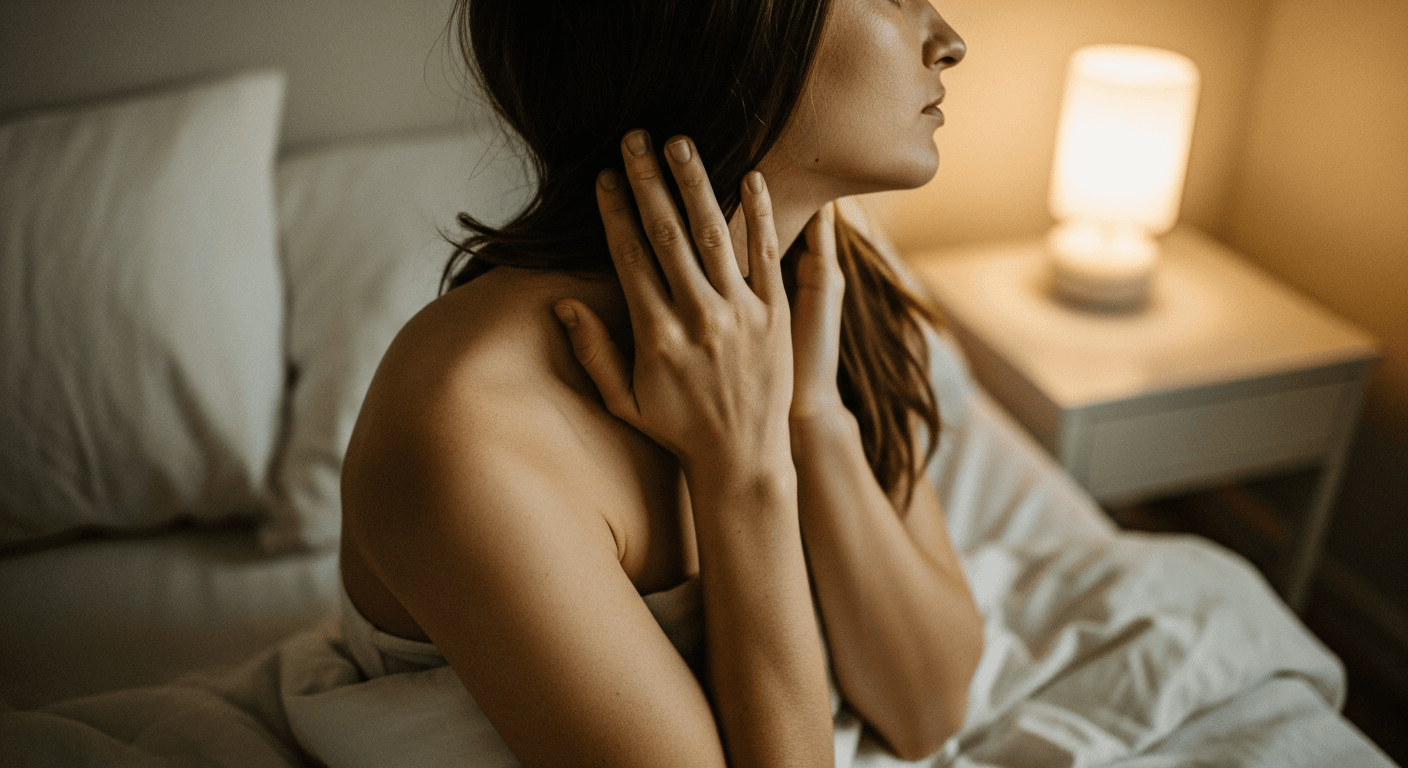
A 10-Minute Evening Massage Could Help You Sleep Better
A preliminary study found that a 10-minute evening self-massage improved sleep quality and reduced anxiety in healthy women, offering a free, drug-free nightly ritual.
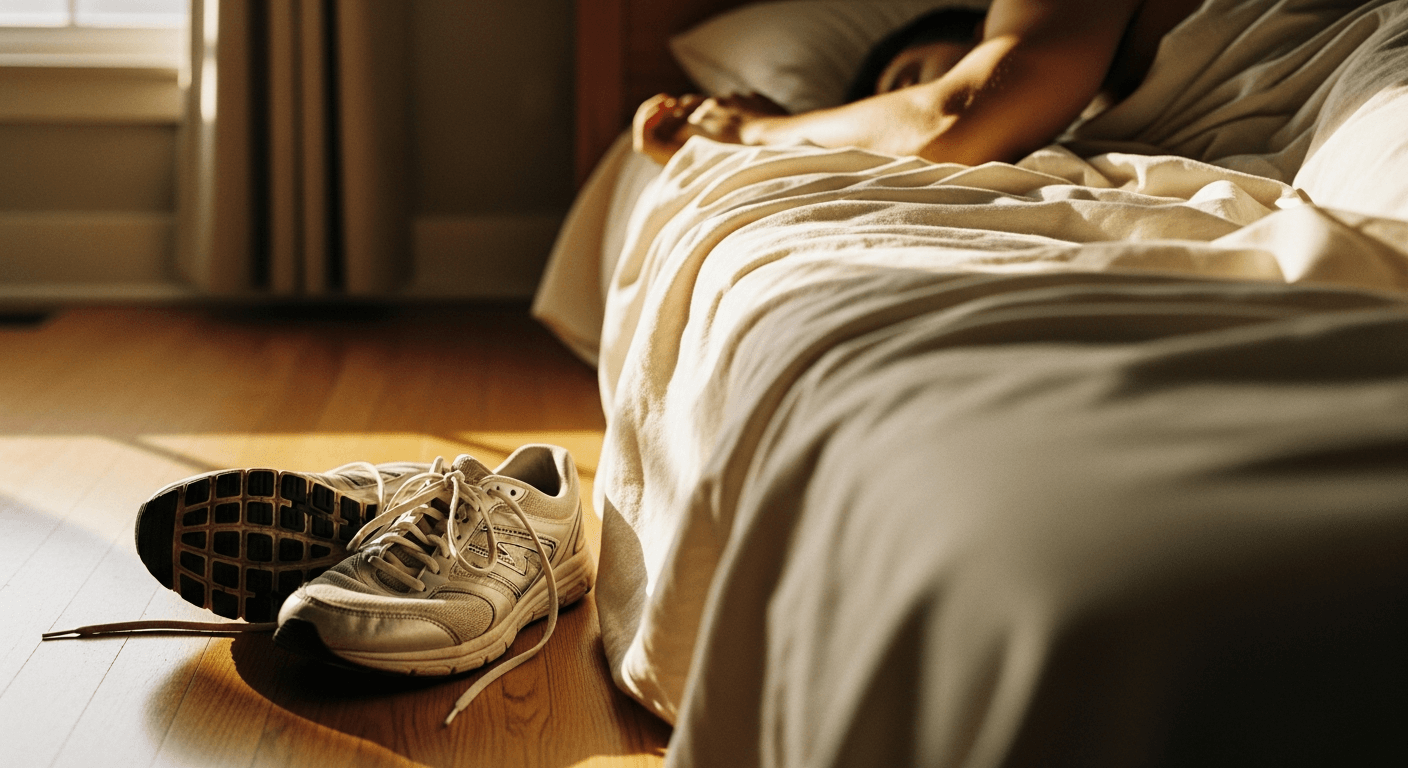
How to Optimize Sleep for Better Fitness Results
New UC Berkeley research shows deep sleep quality, not just duration, drives muscle repair and fat metabolism. Here's how to optimize it for real fitness results.
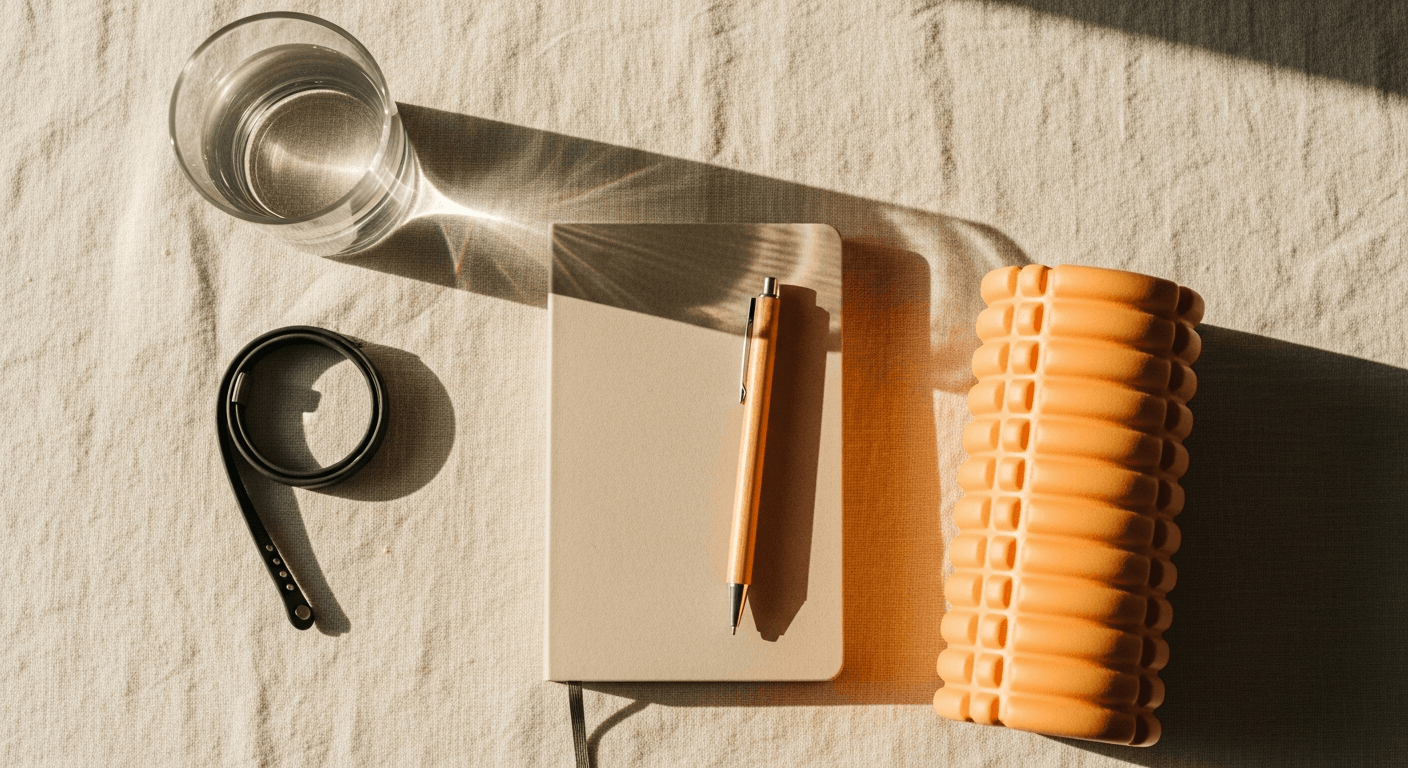
5 Simple Recovery Habits That Actually Work
Most people overcomplicate recovery. New July 2026 guidance shows five consistent basics beat any expensive protocol every time.
Deep Sleep and Growth Hormone: What You Can Actually Do
New research confirms deep sleep and growth hormone regulate each other in a feedback loop. Here's how to protect it with practical, evidence-based habits.

Forest Bathing: Proven Health Benefits and How to Practice It
Forest bathing (shinrin-yoku) reduces cortisol by 12.4%, boosts immunity, and decreases anxiety — backed by decades of research. Complete practical guide.
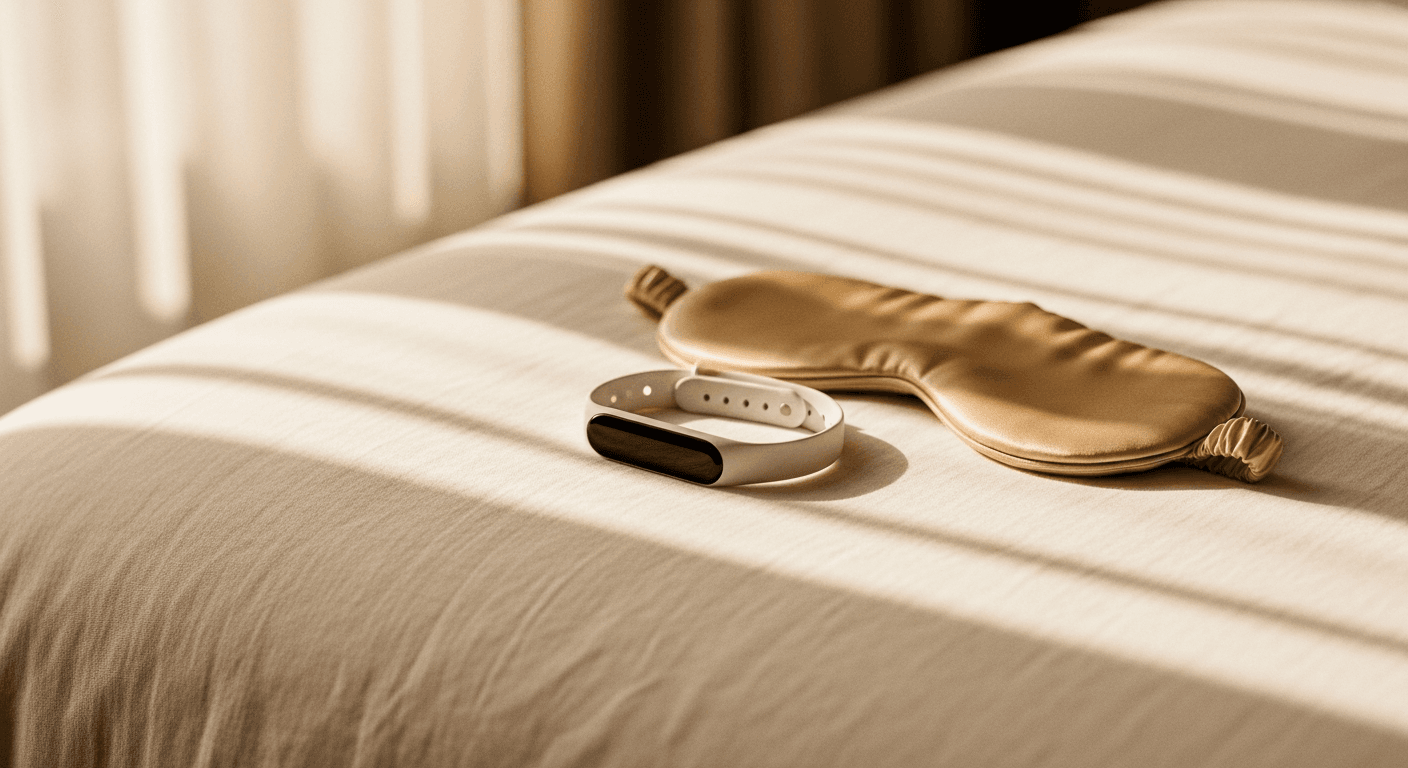
Sleep tourism and wearables: sleep is becoming a full industry in 2026
Sleep tourism and wearables are redefining the sleep industry in 2026. A $600B+ market, dedicated hotel programs, clinical-grade tracking, and the sleepmaxxing Gen Z trend.
AI can predict your future diseases from your sleep data
A Stanford 2026 study shows AI can predict cardiovascular and neurological disease risk from sleep data. What wearable users and anyone who prioritizes recovery need to know.
What Your Sleep Tracker Can Actually Tell You About Apnea
New research shows sleep apnea severity varies night to night. Here's what your wearable's SpO2 and sleep data actually mean, and when to act on it.
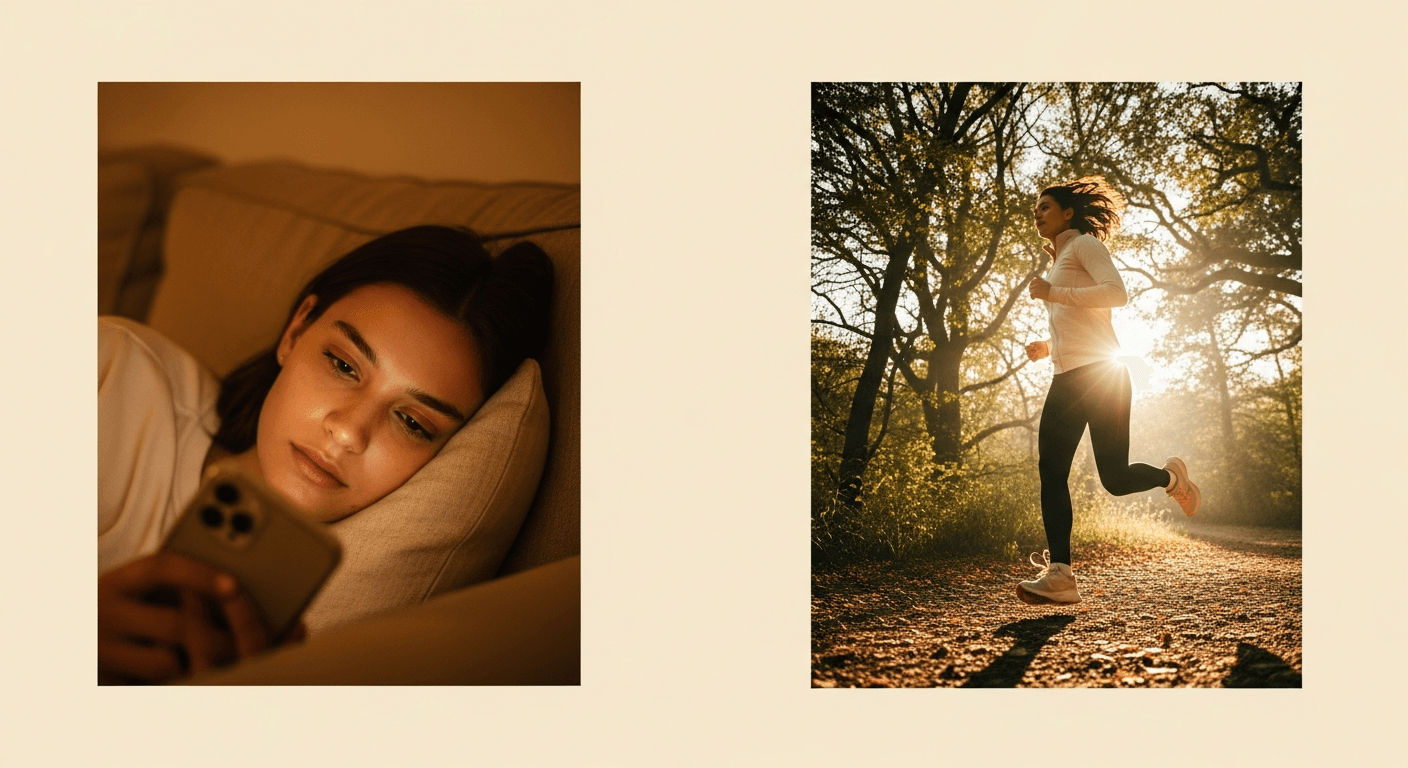
Endless Scrolling Hurts Your Memory. Exercise Fights Back.
A 2026 Frontiers in Psychology study links heavy short-video use to worse working memory. Regular exercise independently reverses the damage.
One Night Sleep Test Isn't Enough, Study Finds
New Flinders University research shows a single sleep study regularly misclassifies apnea severity, putting millions at risk of wrong treatment.
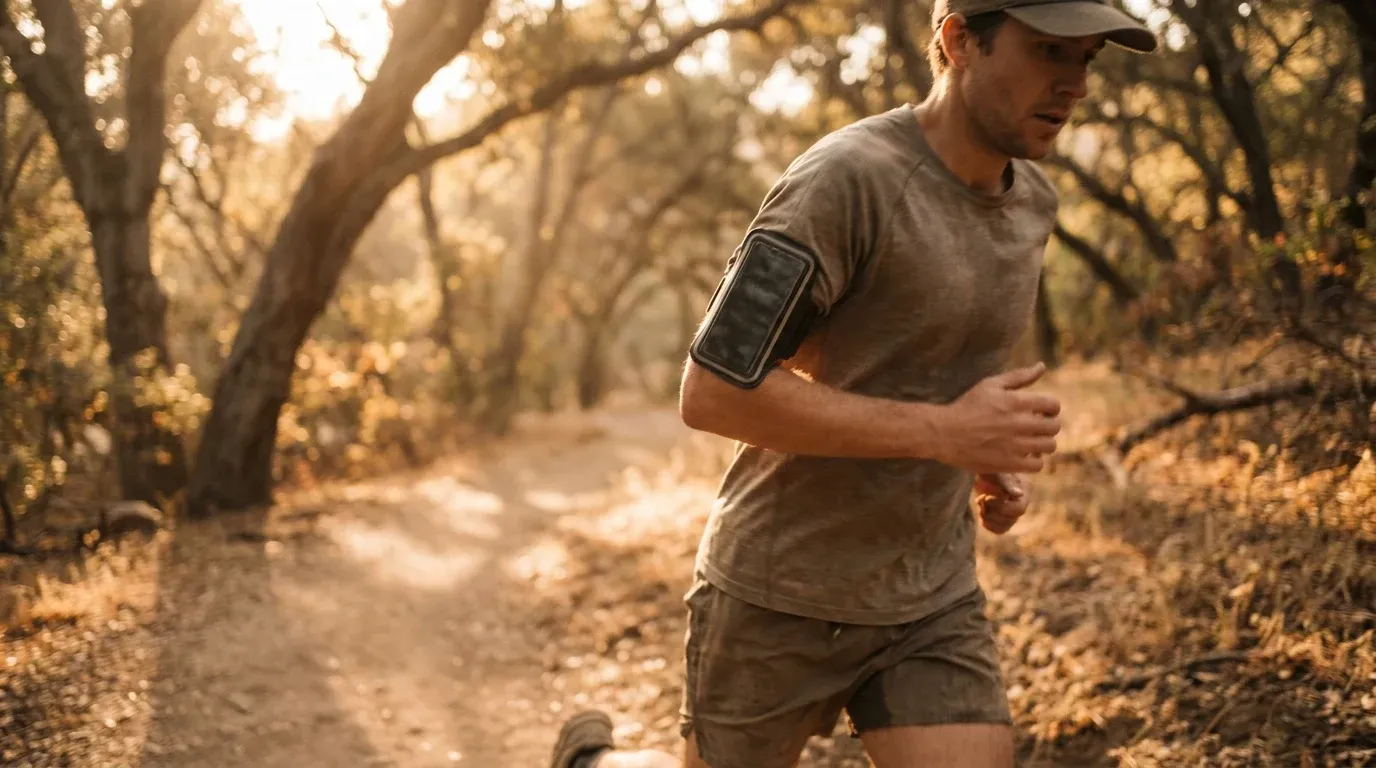
Why Exercise Is Your Brain's Best Defense in the Screen Age
New 2026 research links heavy short-video use to measurable working memory decline. Exercise is now the most evidence-backed tool to counter it.