
Wellness & Recovery Guides
Sleep optimization, stress management, and mobility guides for active people. Science-backed wellness strategies to help you recover and perform better.
Latest articles (340)
Post-Marathon Recovery: How Long You Actually Need
Post-marathon recovery takes longer than most runners expect. Here's what the evidence says about timelines, active recovery, and when it's actually safe to run again.
Orthosomnia: When Tracking Your Sleep Actually Makes It Worse
Orthosomnia is now a recognized clinical pattern. When your Oura or WHOOP starts hurting your sleep more than helping it, here's how to take back control.

MIT's PhenoMol Model Redefines How We Recover
MIT's PhenoMol model maps thousands of blood molecular signals to recovery capacity, pointing toward personalized recovery tools for everyday athletes.
Home Sleep Apnea Test vs. Lab Study: Which Do You Need?
Not sure whether you need a home sleep test or an in-lab study? Here's how to choose the right diagnostic path in 2026.
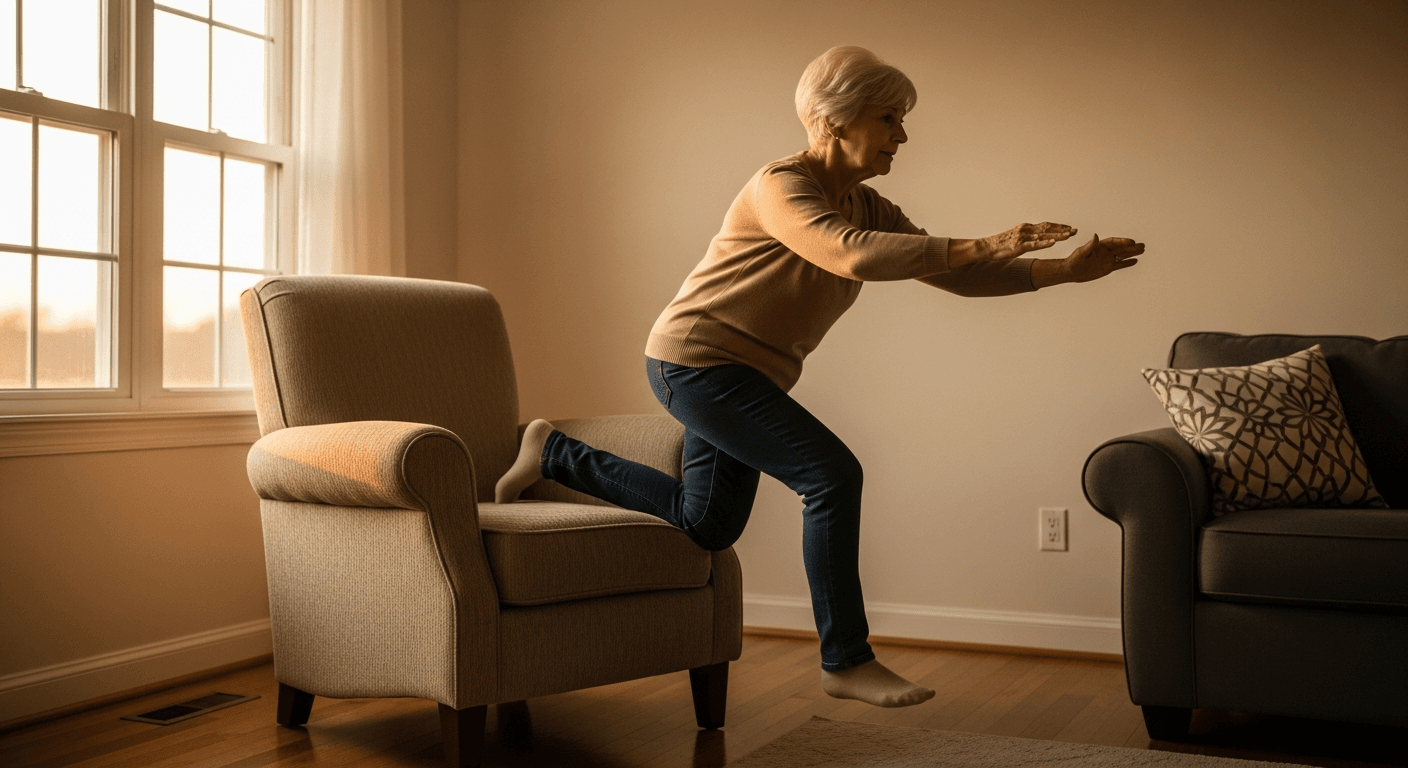
You Don't Need Pain to Build Strength, Science Confirms
New research confirms eccentric movements like slow chair descents build real strength with less effort and no soreness, challenging the "no pain, no gain" myth.
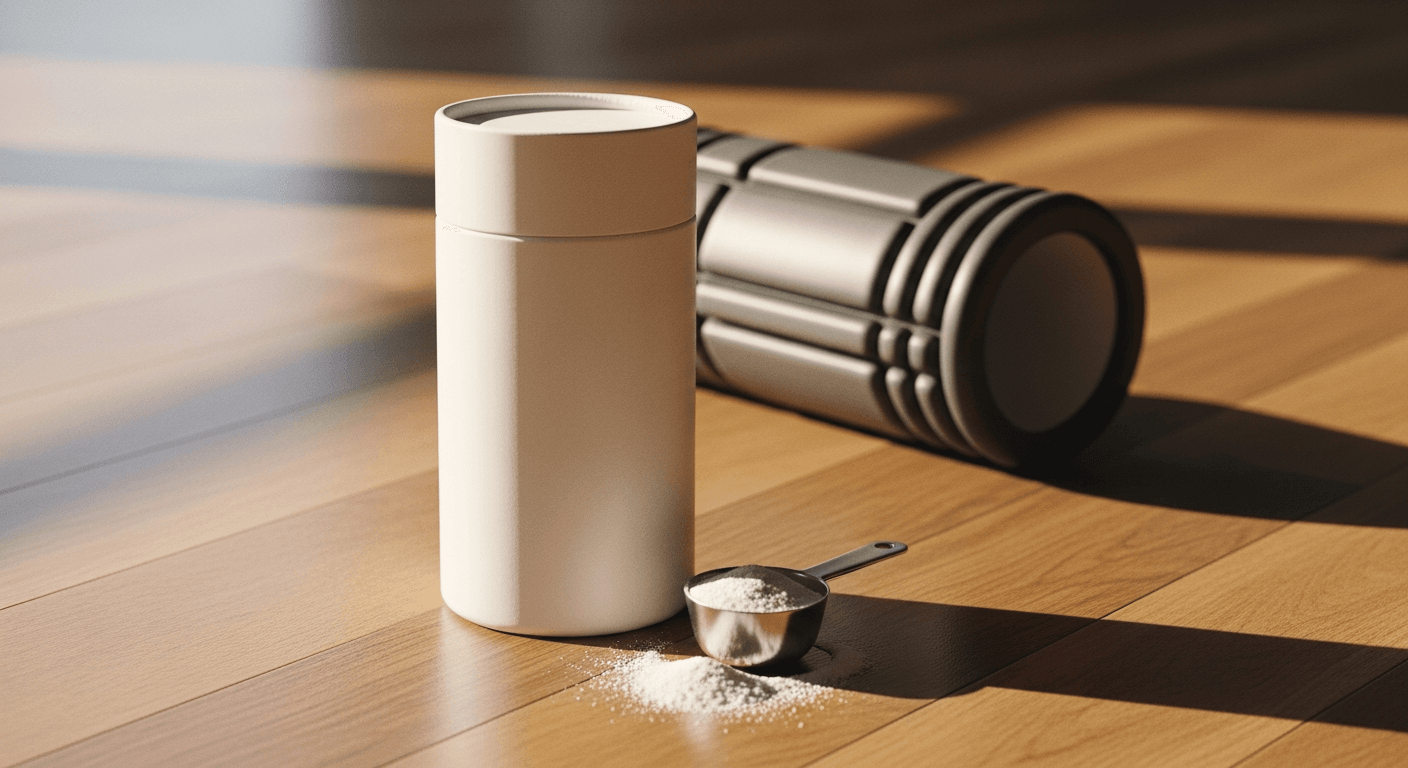
Does Collagen Actually Help Muscle Recovery? The Truth
A major umbrella review finds collagen doesn't improve post-workout recovery or soreness, repositioning it as a healthy-aging supplement rather than a sports performance tool.
How Much Sleep Do You Actually Need in 2026?
AMA guidance confirms 7-9 hours suits most adults, but new research shows sleeping too much carries real risks too. Here's what the science actually says.
Can Silencing Stress Signals Help You Live Longer?
New University of Sheffield research found that suppressing the Integrated Stress Response extended lifespan in fruit flies, challenging the idea that mild stress is good for longevity.
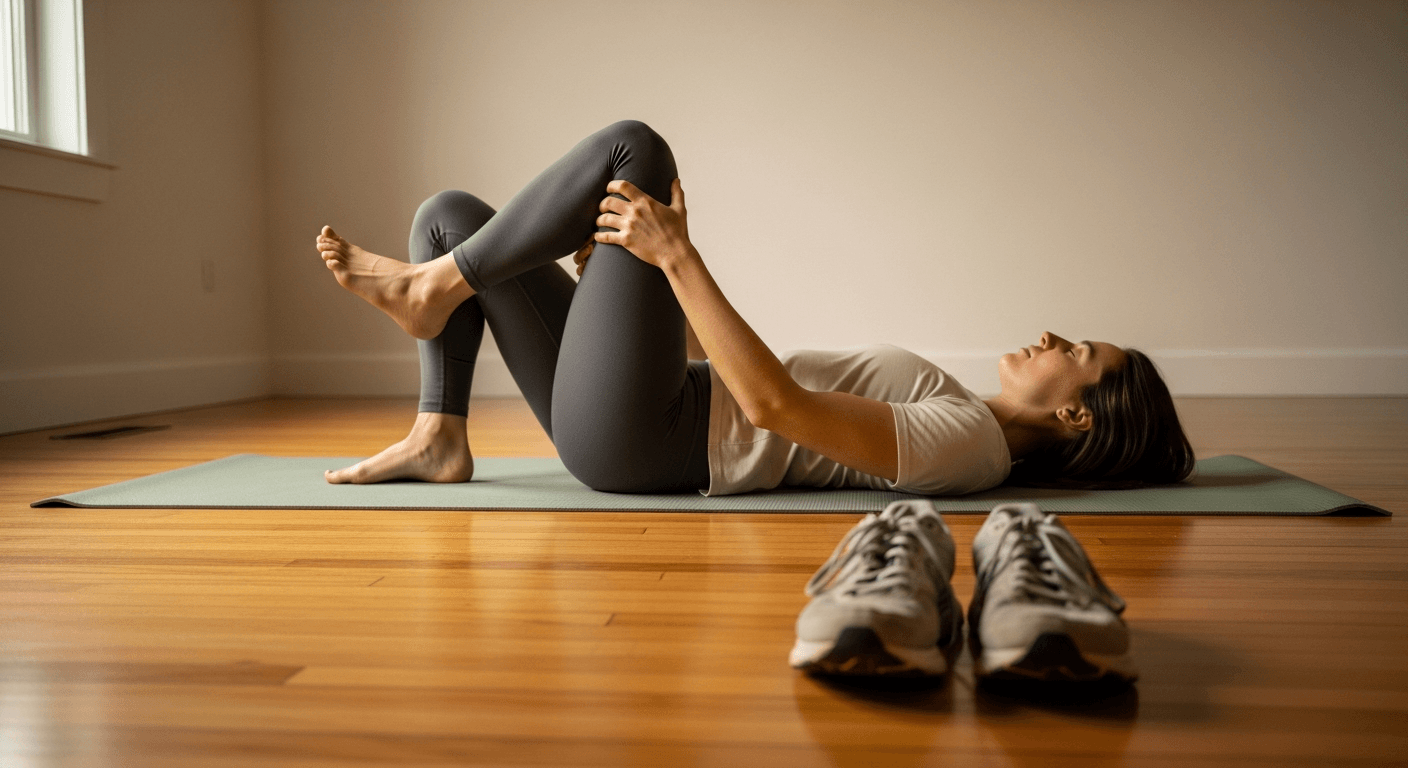
5 Free Ways to Recover From Running That Actually Work
Fitness experts identify five zero-cost recovery strategies for runners that outperform most supplements, grounded in physiology rather than marketing.

The 4 A's of Stress Management: A Practical Framework
The 4 A's framework. Avoid, Alter, Adapt, Accept. gives you a structured decision tree for choosing the right stress response to any situation.
Sleep Consistency: The Overlooked Lever for Better Rest
New research shows irregular sleep timing does more harm than short but consistent sleep. Here's how to build the consistency your body actually needs.
Music for Stress Relief: What the Science Actually Shows
A 1,000-person study named music the top stress-relief tool. Here's what the science says about why it works and how to use it.
Insomnia's Real Problem Is Unpredictability, Not Short Sleep
New research shows insomnia harms you through unpredictable sleep patterns, not low hour counts. Here's what that means for how you sleep, train, and recover.

How Internalizing Stress Silently Erodes Your Memory
A Rutgers Health study links internalized stress and hopelessness to faster memory decline. What you do with stress matters as much as how much you face.
Sleep Apnea in Athletes: Symptoms, Performance Impact & Treatment
Athletes are more at risk for sleep apnea than most realize. Symptoms to recognize, impact on recovery and muscle gains, and treatment options.

HydroMassage to Cryo: Recovery Tech Is Now a Revenue Stream
WellnessSpace Brands won a FITC award at FIBO 2026 for its self-service recovery platform, signaling recovery tech is becoming a serious revenue stream in gyms, hotels, and universities.

Post-Exercise Recovery: What the New Study Shows
A Loughborough University trial found a 3-ingredient supplement cut 72-hour muscle pain by 17%. Here's what the science actually supports.

Chronic Stress Damages Your Gut and Fuels Depression
New research links chronic stress to lower Reelin levels, gut lining breakdown, and rising inflammation that directly worsens depression via the gut-brain axis.

The 4 Sleep Stages Explained: Recovery, Muscle Growth & Performance
NREM N1, N2, N3, and REM: what each sleep stage does for muscle recovery, motor learning, and cognitive health — and how to protect the stages that matter most.

Weekend Sleep Catch-Up Cuts Teen Depression Risk by 41%, Study Finds
A 2026 study of 4,318 adolescents finds that weekend sleep catch-up is associated with a 41% lower risk of depressive symptoms compared to chronically sleep-deprived peers.

Becoming a Grandparent Changes Sleep Like Parenthood Does
New research shows first-time grandparents, especially maternal grandmothers, experience real sleep disruptions. Here's what that means for your recovery.

Stress Rewires Your Brain. Here's How to Work With It
New FIU research shows your brain actively adapts under stress. Here's how to train resilience using paced breathing, cognitive reframing, and science-backed tools.
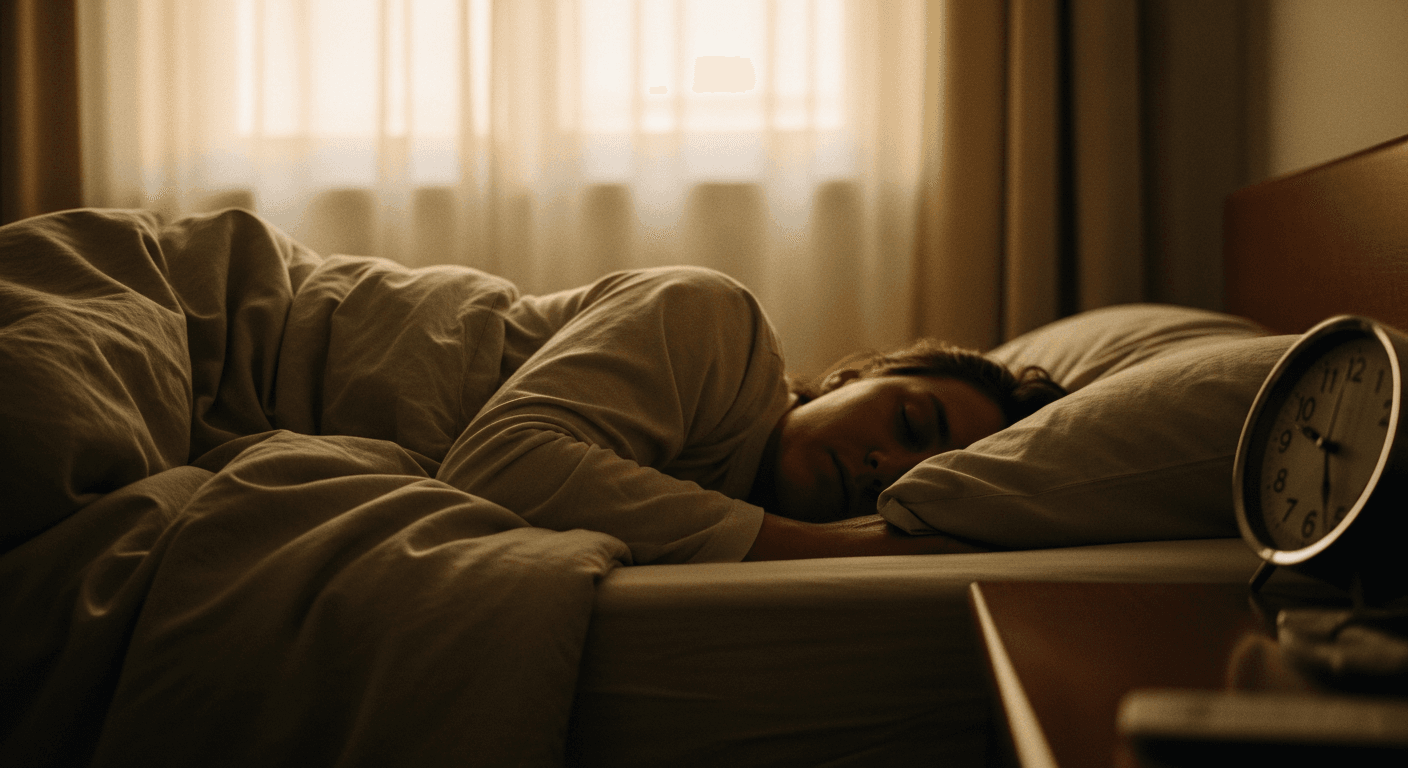
How Much Sleep Actually Lowers Your Dementia Risk
New research shows sleeping over 8 hours raises dementia risk by 28%, more than sleeping too little. The protective sweet spot is 7 to 8 hours.

Sleep Apnea Is Quietly Destroying Your Muscle Quality
New Ben-Gurion University research links obstructive sleep apnea to lower skeletal muscle density, making it a hidden driver of muscle decline most active people overlook.