
Wellness & Recovery Guides
Sleep optimization, stress management, and mobility guides for active people. Science-backed wellness strategies to help you recover and perform better.
Latest articles (340)
Treating Insomnia Isn't Enough If You Don't Fix Daytime Function
A 2026 University of Maryland study challenges how insomnia treatments are measured. The real metric isn't nighttime sleep — it's daytime function.

Breakfast, Sleep, and Exercise: The Stress-Resilience Combination That Works
A new study from Binghamton University identifies a specific mechanism: regular breakfast, enough sleep, and 20 minutes of daily exercise build stress resilience through psychological flexibility.
April is Stress Awareness Month — 5 Levers That Actually Work
April is Stress Awareness Month. But between 'take care of yourself' and what actually works biologically, there's a real gap. Here are 5 levers the science supports — and why active people often have a natural head start.
Recovery and Rest: What You're Sacrificing Without Knowing It
You're training consistently but you're stagnating. You're often tired without knowing why. The answer might not be in your next program — it might be in what you're doing between sessions.
Longevity in 2026: What Diet and Exercise Actually Have in Common
Three studies published this week draw the same portrait of a longevity-linked lifestyle. And if you're already exercising regularly and eating reasonably well, you're closer to that profile than you might think.
Breathwork vs Mindfulness: Which One Actually Helps You Hit Your Goals?
A 2026 RCT found breathwork and mindfulness both drive goal progress, but through different mechanisms. Here's how to choose the right one.
Sleep Coaching Is Now a Recognized Treatment in the US — What That Actually Changes
The AASM now recognizes behavioral sleep coaching as a valid treatment for chronic insomnia. Here's what that institutional shift means for coaches and athletes.
Nasal Breathing and Athletic Performance: What the Research Actually Shows
Nasal breathing improves nitric oxide production and recovery, but oral breathing wins at high intensity. Here's what the research actually supports.
How Exercise Controls Cortisol — and Which Intensity Actually Works
HIIT spikes cortisol acutely but builds long-term resilience. Moderate intensity works best for chronically stressed people. Here's how to match exercise intensity to your stress state.
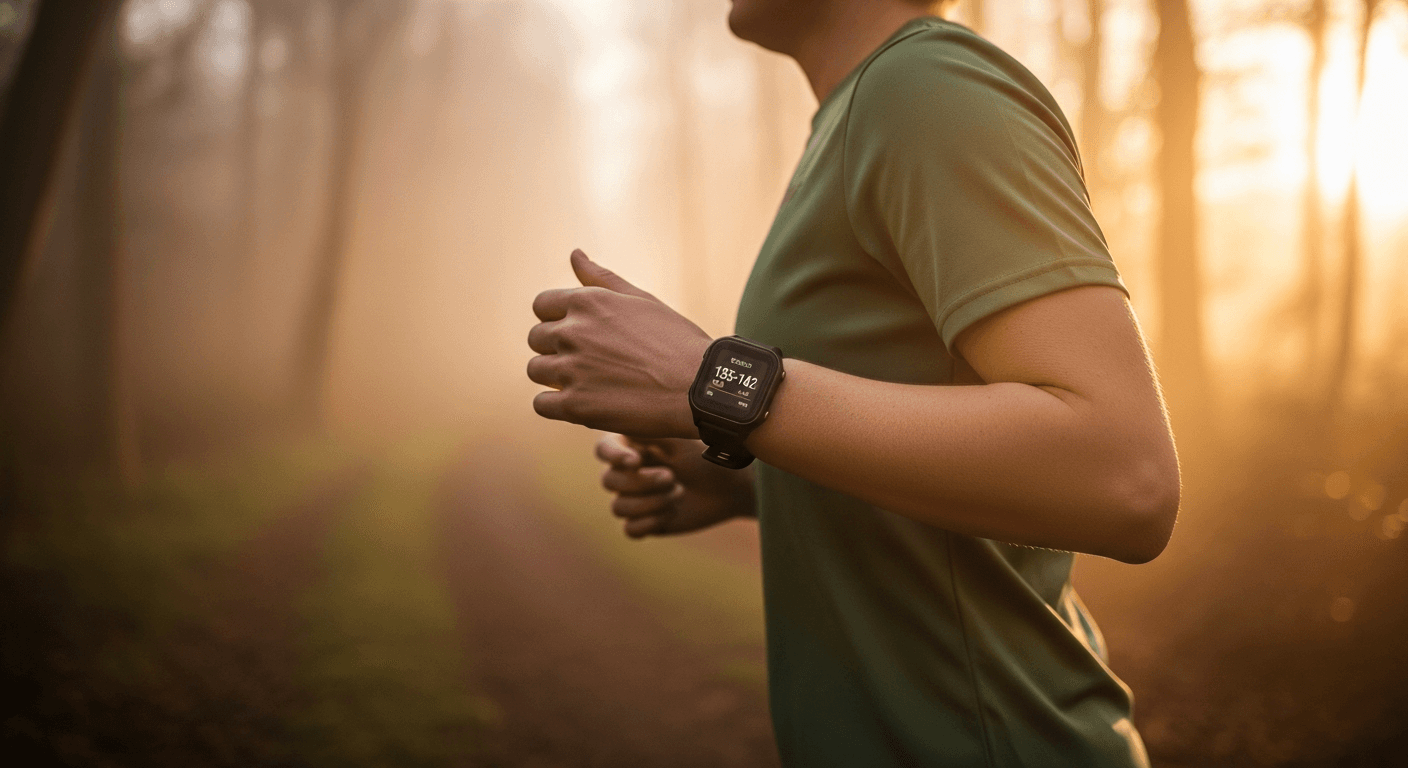
Zone 2 Without a Lab: Find Your Zone Accurately
Most recreational athletes train 20–30 bpm above their actual Zone 2. Three field methods help you find your true aerobic threshold without lab equipment.
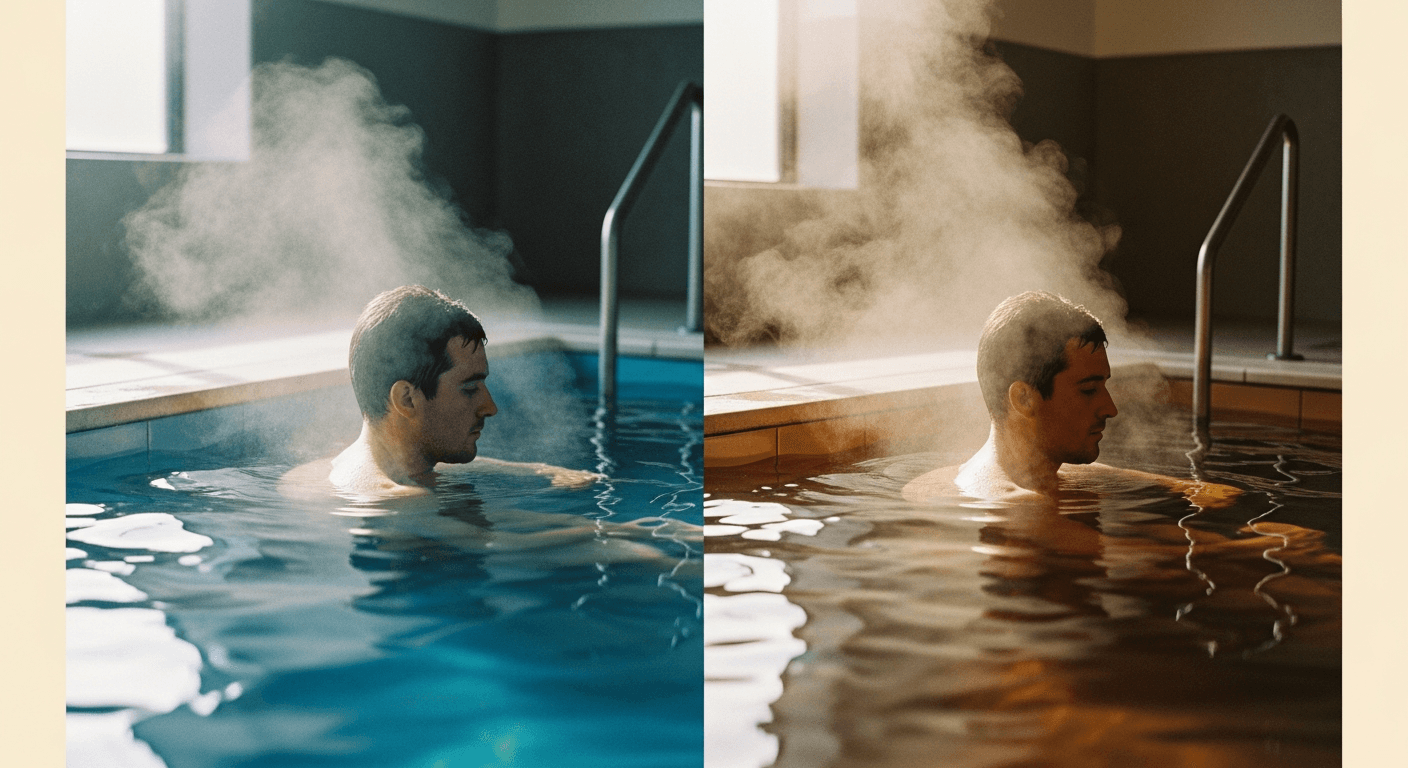
Cold water vs contrast therapy: what the research actually says
Contrast water therapy reduces DOMS at every time point up to 96h. Cold water immersion wins for team sport. Neither beats active recovery for resistance training.
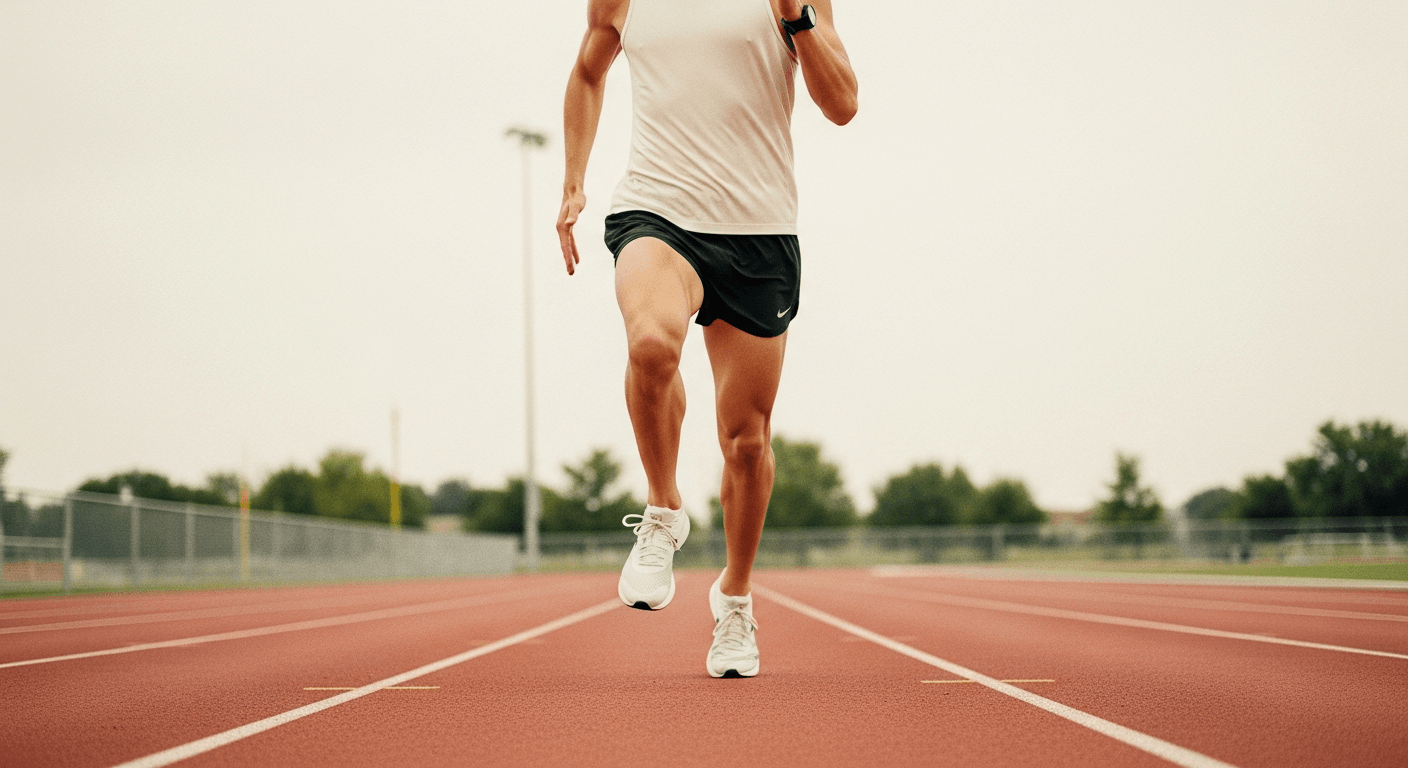
How to Improve Your VO2max: The Research-Backed Protocols
Each +3.5 ml/kg/min VO2max improvement reduces mortality by 15%. The Norwegian 4x4 protocol delivers 7-10% gains in 8 weeks. What research says about zones and frequency.
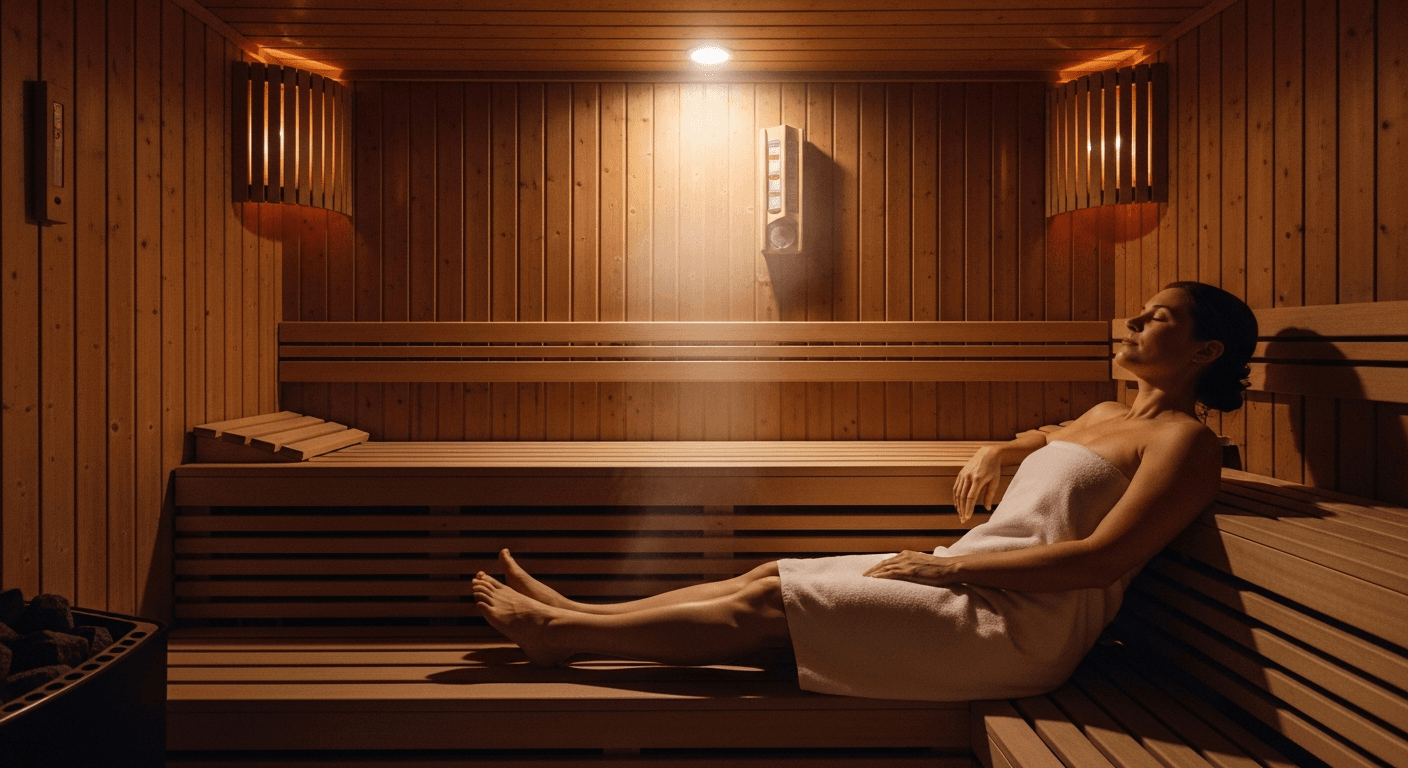
Sauna and Cardiovascular Health: What the Research Says in 2025
4-7 sauna sessions per week reduce cardiovascular mortality by 63%. What 20 years of Finnish data reveals about mechanisms and optimal frequency.

Catching Up on Sleep Over the Weekend Cuts Depression Risk by 41% in Young Adults
A 2026 study found that young adults who caught up on sleep over the weekend were 41% less likely to show symptoms of depression. It's one of the strongest sleep-mental health correlations recorded in this age group, and it challenges the idea that lost sleep can never be recovered.
Stanford's AI That Predicts 100+ Diseases From One Night of Sleep. What It Actually Means
Stanford Medicine published SleepFM, an AI trained on nearly 600,000 hours of sleep lab data that can predict risk for over 100 conditions from a single night's recordings. The headlines made it sound like your Fitbit is about to diagnose you. It's more nuanced than that, and the actual story is worth understanding.
Fixing Sleep Isn't Enough. Researchers Identify the Real Measure of Insomnia Recovery
Getting better sleep scores doesn't mean you've recovered from insomnia. A 2026 University of Maryland study found that the real measure of successful treatment is daytime function, not nighttime sleep architecture. If you're still dragging through your days despite improving your sleep metrics, this research explains why.
HRV and Recovery Tracking: What Your Wearable Data Is Actually Telling You
HRV is one of the most misread wearable metrics. New research shows what it actually measures, which devices are most accurate, and how to act on your data.

Exercise and Mental Health: What Research Actually Proves in 2026
Mental health drives 82% of 2026 fitness goals, but most training advice misses what research actually proves. Here's the evidence-based guide.
GLP-1 and Exercise: The Combined Protocol 2026 Research Supports
A 2026 PMC meta-analysis confirms GLP-1 drugs plus structured exercise produce additive metabolic benefits. Here's the exact protocol the data supports.

Sleep and Muscle Recovery: What the Science Actually Says
Most muscle protein synthesis happens during deep sleep. Here's what the science says about the sleep-recovery link, the real performance costs of poor sleep, and the interventions that actually work.
Active Recovery: The Complete Guide to Training Without Breaking Down
Active recovery, passive rest, and deload weeks serve different purposes. Here's a clear, research-backed framework to use each one at the right time.
Magnesium for Athlete Sleep and Recovery: What a UCLA Study Is Testing Right Now
A UCLA clinical trial is actively testing magnesium L-threonate on athlete sleep and recovery. Here's what current research shows and what to do with that information now.

Sleep and Athletic Performance: What the 2026 Research Actually Shows
New 2026 research confirms sleep restriction tanks athletic performance, while sleep extension boosts sprints, accuracy, and endurance. Here's what the data says.
Post-Workout Evening Routine for Better Recovery
A practical, step-by-step evening protocol to maximize muscle recovery, improve sleep quality, and get more from every workout.