
Wellness & Recovery Guides
Sleep optimization, stress management, and mobility guides for active people. Science-backed wellness strategies to help you recover and perform better.
Latest articles (340)
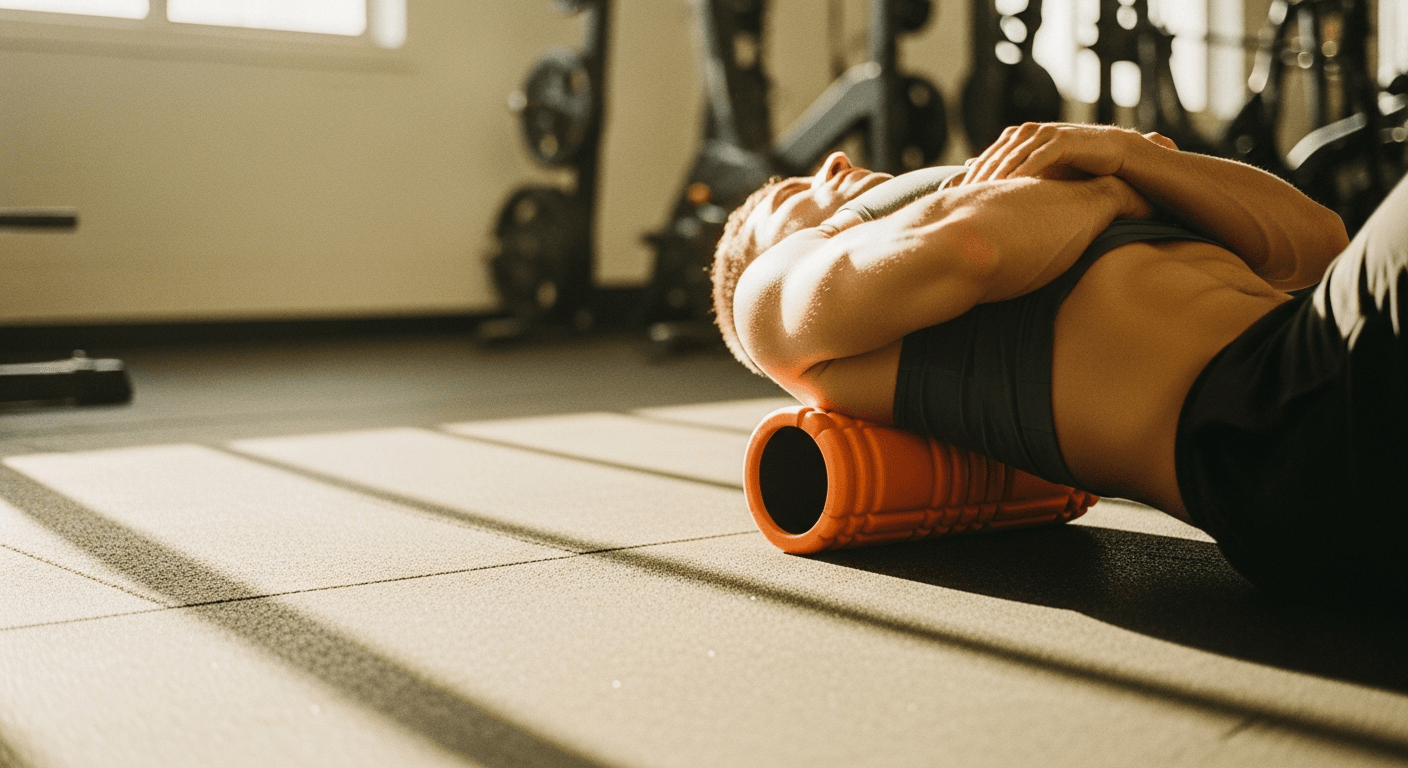
The Off-Day Recovery Routine Heavy Lifters Swear By
Rest days aren't downtime. Active recovery, smart nutrition, and sleep quality on off-days are the actual levers that break through strength plateaus.

Why Gardening Is a Legit Mental Health Tool in 2026
Gardening is now backed by clinical research as a meaningful intervention for depression, anxiety, and chronic stress. Here's what the science says.
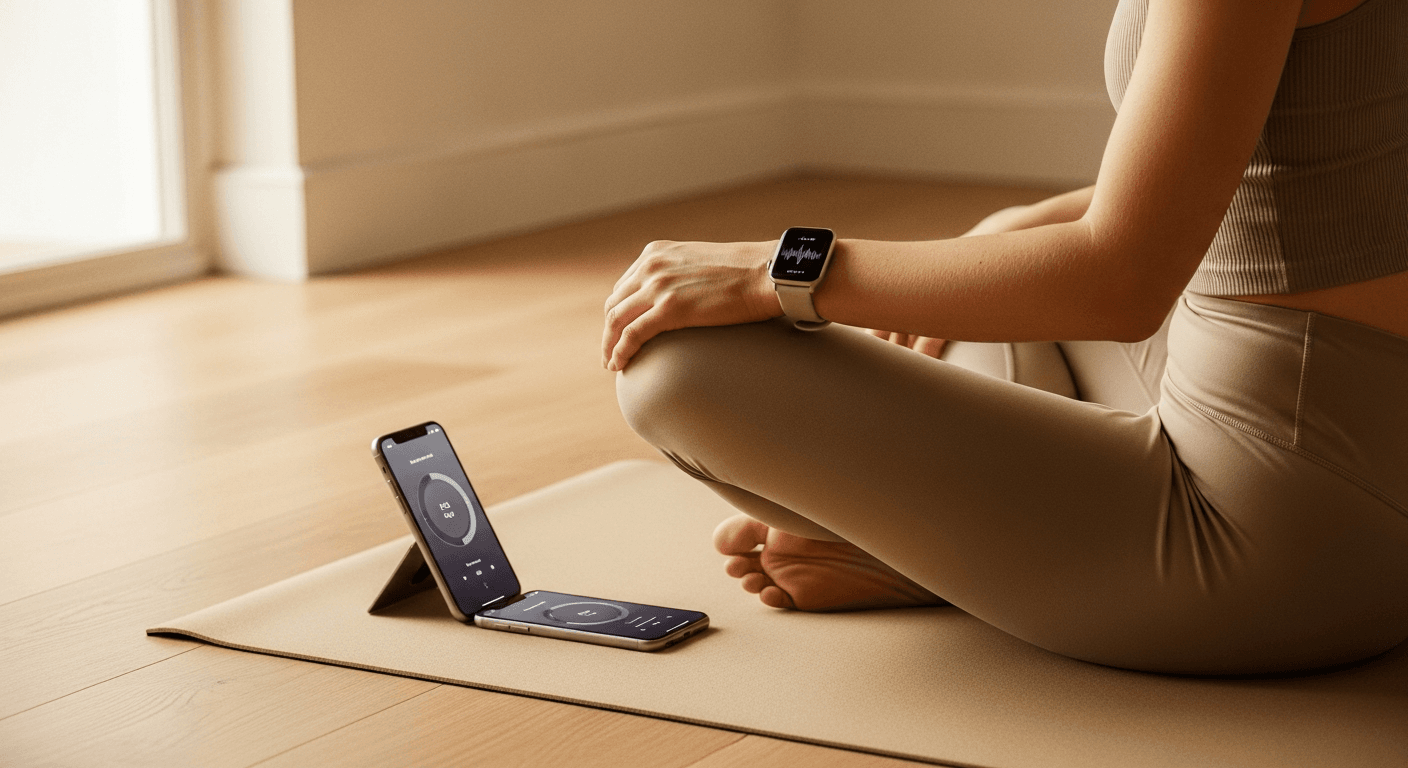
Breathwork Apps That Actually Reduce Anxiety
New 2025-2026 research confirms structured breathwork cuts cortisol, heart rate, and anxiety scores. Here's which apps actually deliver the right protocols.
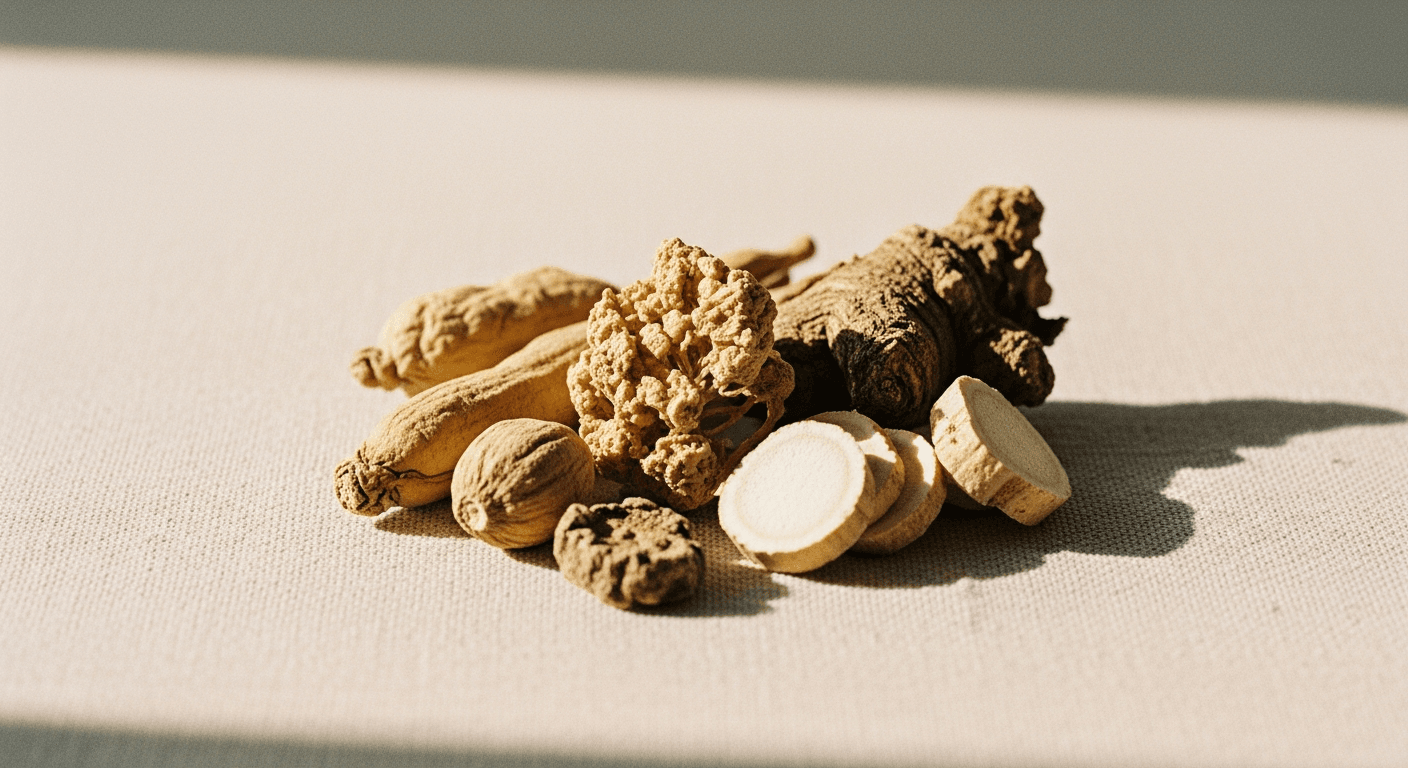
Adaptogens for Stress: What the Science Actually Says
Ashwagandha, Rhodiola, and Panax ginseng have real research behind them. Here's what the science shows and how to use adaptogens wisely.
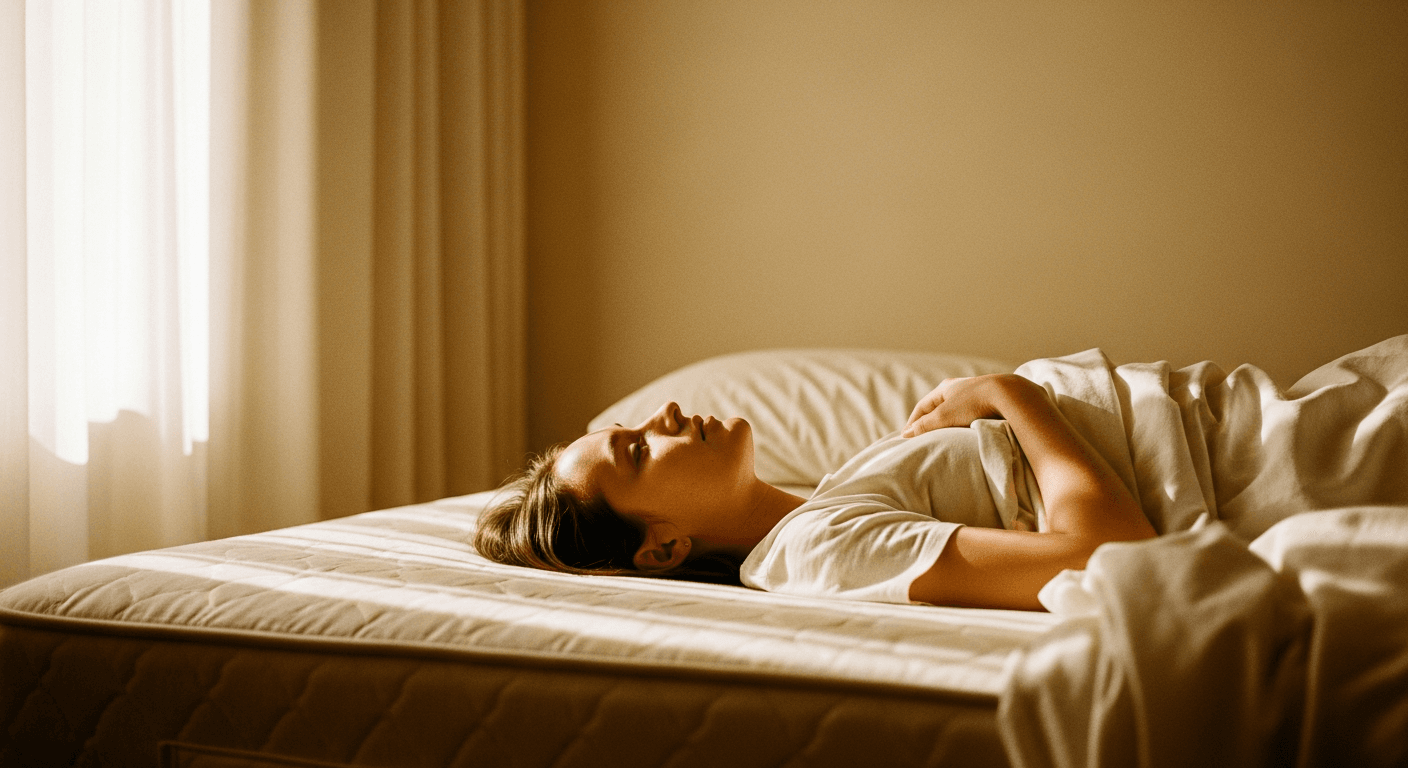
You Think You Sleep Fine. The Data Disagrees.
Two major 2026 sleep surveys reveal that adults and parents consistently overrate their sleep quality. That overconfidence is the core problem.

Massage Therapy Genuinely Speeds Up Muscle Recovery
A 2025 RCT confirms consistent deep tissue massage measurably cuts muscle damage markers and speeds recovery. Here's what the evidence shows.
What ResMed's 2026 Global Sleep Survey Actually Reveals
ResMed's 2026 Global Sleep Survey reveals that people worldwide are sleeping worse than they think, and the perception gap is growing.

Half of US Kids Aren't Getting Enough Sleep
Nearly half of US kids under 13 aren't meeting sleep guidelines, and parents are systematically underestimating the problem, per the NSF 2026 poll.
The Three C's of Stress Resilience: A Practical Guide
The Three C's framework. Commitment, Control, and Challenge. offers a research-backed approach to building stress resilience you can practice daily.
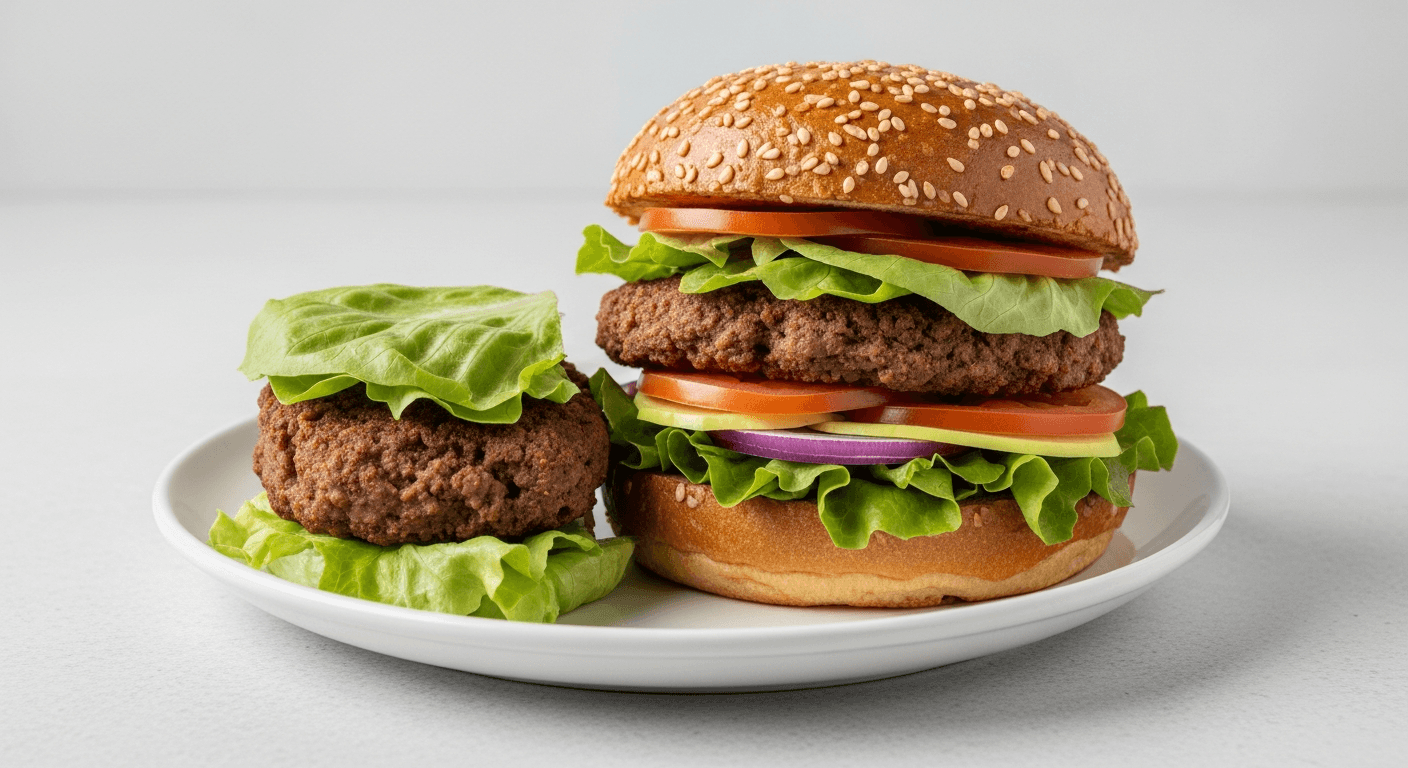
How to Build a Real Recovery Routine in 2026
New massage RCT data, sleep science, and nutrition research, ranked into a practical recovery hierarchy so you stop guessing and start stacking what works.
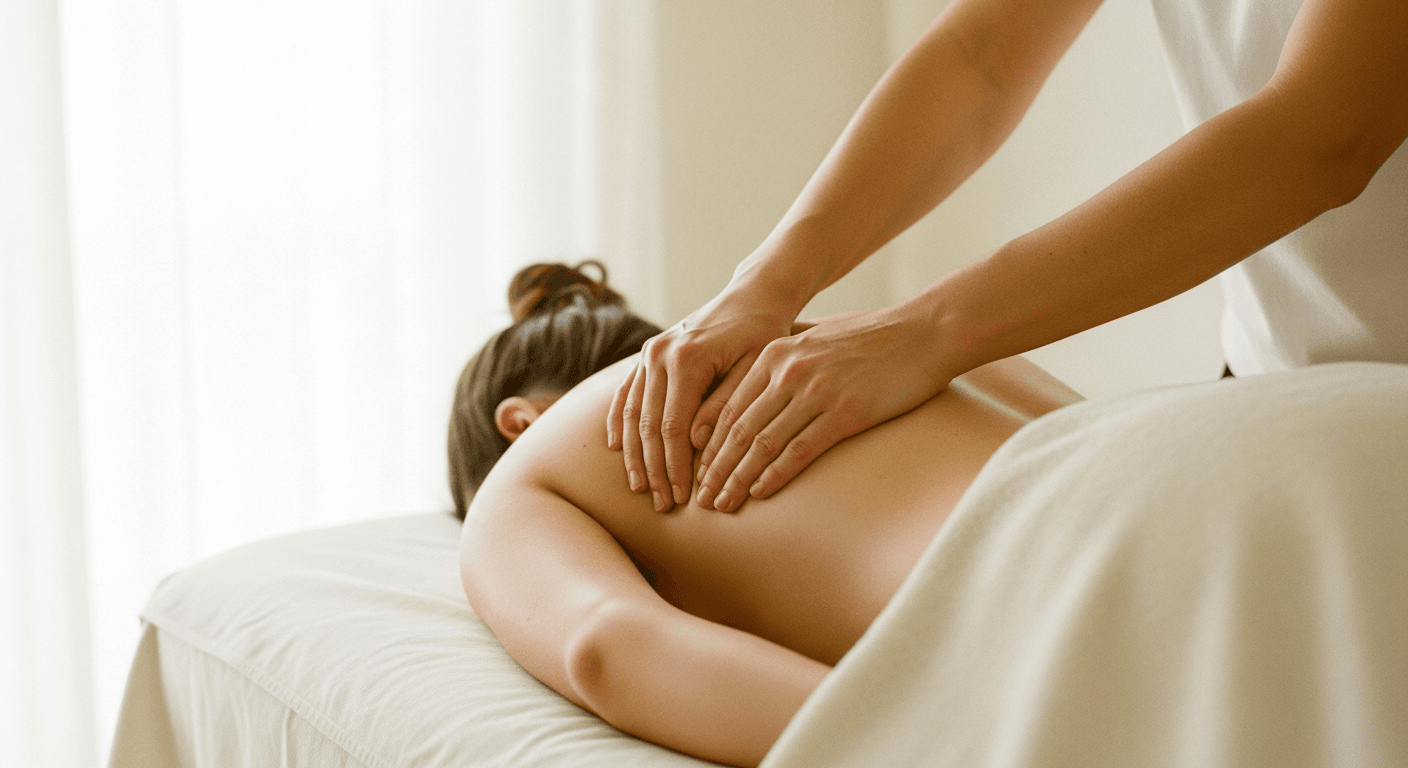
Massage Therapy for Recovery: What the 2026 Science Shows
Two 2025 RCTs show bi-weekly deep tissue massage meaningfully cuts muscle damage markers and boosts flexibility, making it a science-backed recovery essential.
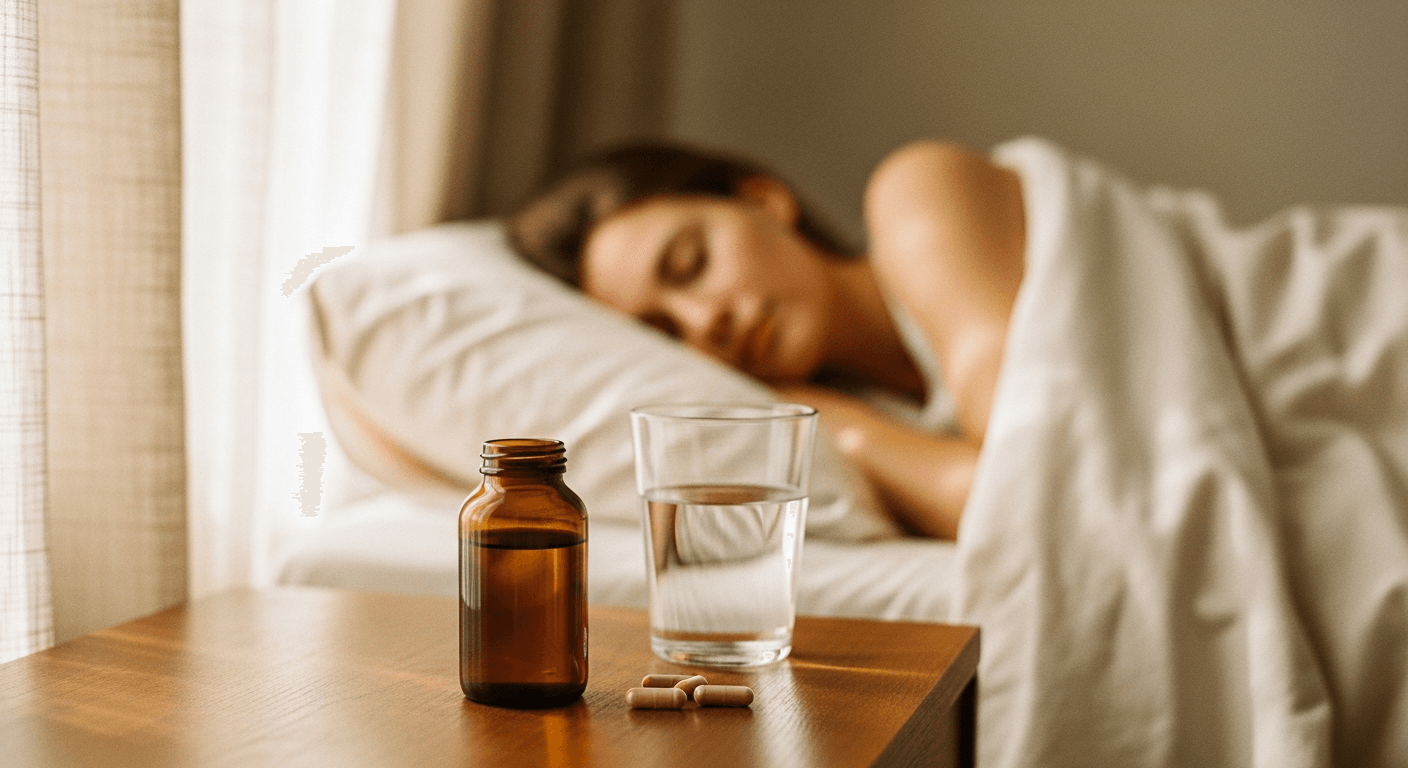
Ashwagandha for Women: Stress, Sleep, and Brain Health
A new all-female clinical trial on Shoden ashwagandha found measurable benefits for cortisol balance, sleep quality, and brain fog in women.
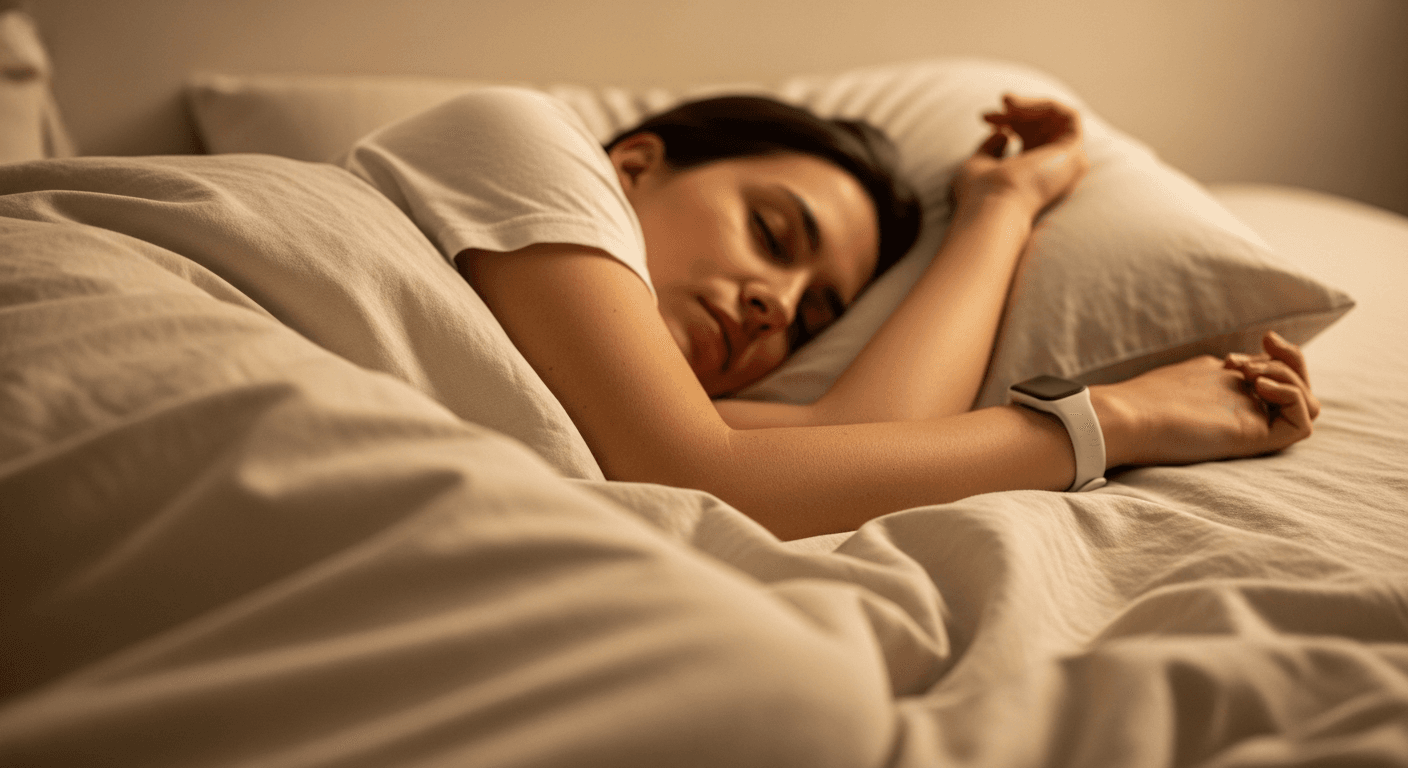
Stanford AI Reads Your Sleep to Predict Disease Years Before Symptoms
Stanford AI trained on sleep data predicts cardiovascular and neurological disease years before symptoms appear. The implications for wearables are enormous.
Can Silencing One Stress Signal Add Years to Your Life?
New research on a key cellular stress pathway offers fresh evidence that chronic stress accelerates biological aging. Here's what the science means for your daily habits.

Why Sleep Screening Belongs in Every Menopause Checkup
New poll data shows sleep disorders are routinely overlooked in menopause care. Here's why sleep screening should be standard, and how to demand it.
Sleep Consistency Beats Duration for Hormonal Health
New evidence shows sleep timing consistency outperforms total duration for hormonal health, with key implications for women managing cortisol, menopause, and cycle disruption.
It's Not How Long You Sleep, It's How Well
New brain-monitoring research shows sleep quality and stage cycling matter far more than total hours for cognitive health, memory, and long-term wellbeing.
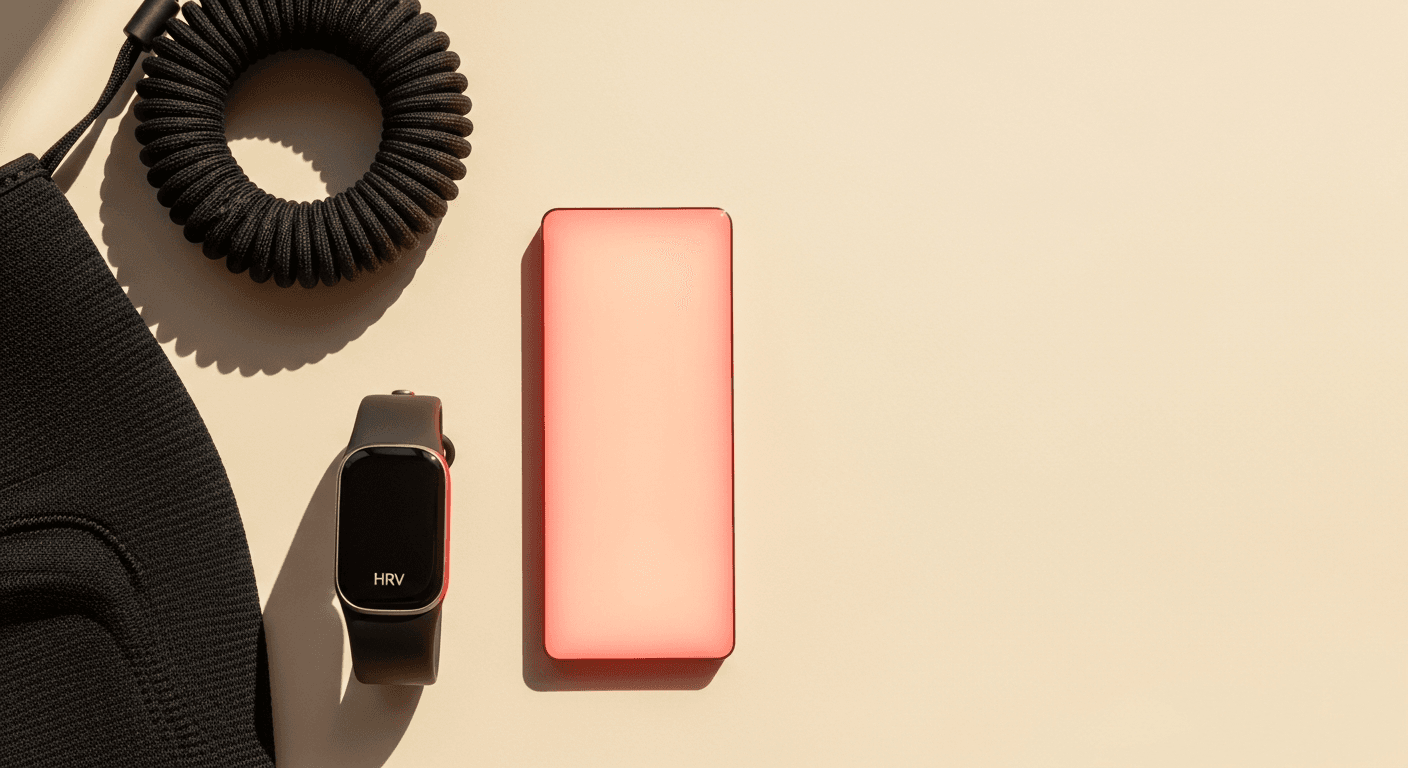
Recovery Tools in 2026: What the Evidence Actually Supports
From cold plunges to HRV apps, this guide maps today's most popular recovery tools to their actual evidence tiers, so you spend wisely.
7, 8, or 12 Hours: Sleep Needs by Age Explained
Sleep needs aren't one-size-fits-all. This guide breaks down evidence-based targets by age and explains what happens when you consistently miss them.
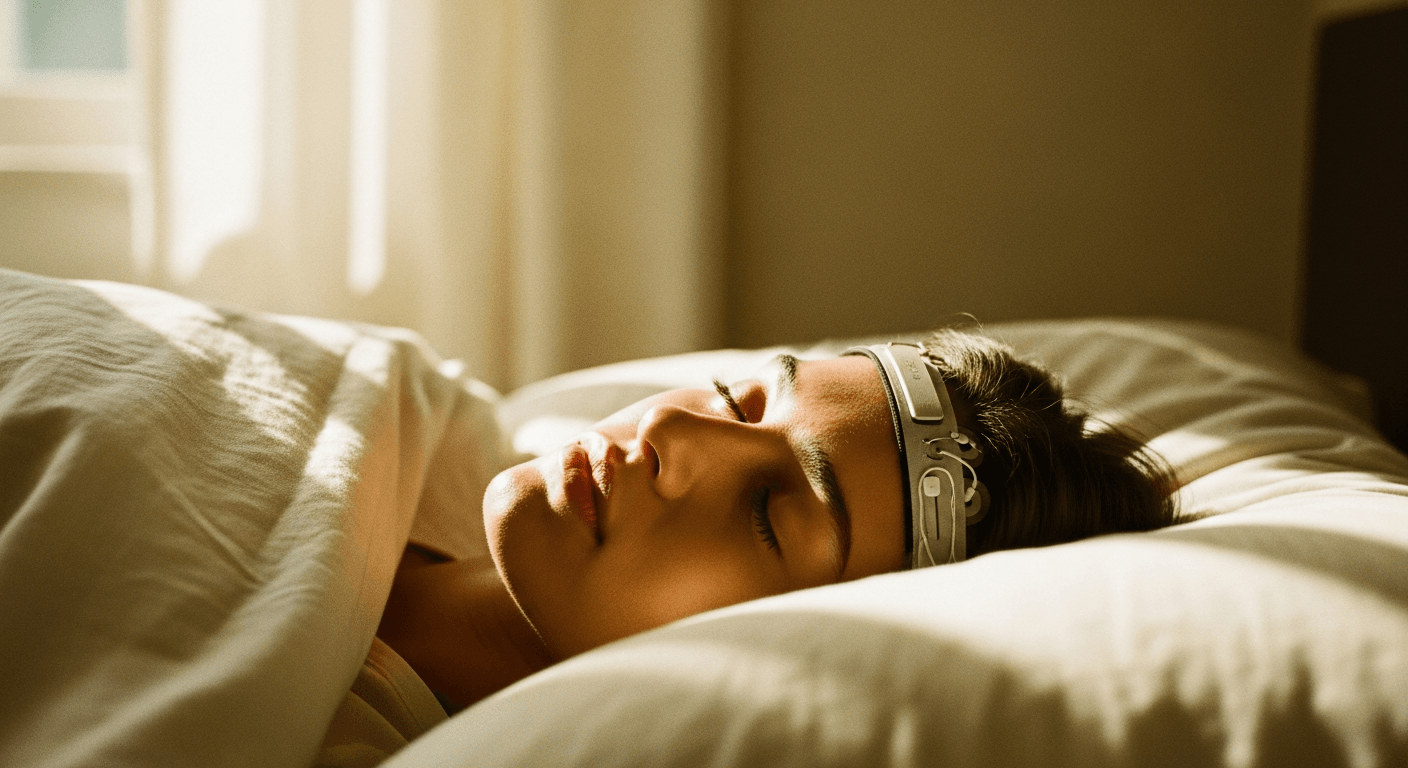
Mapping Your Brain While You Sleep
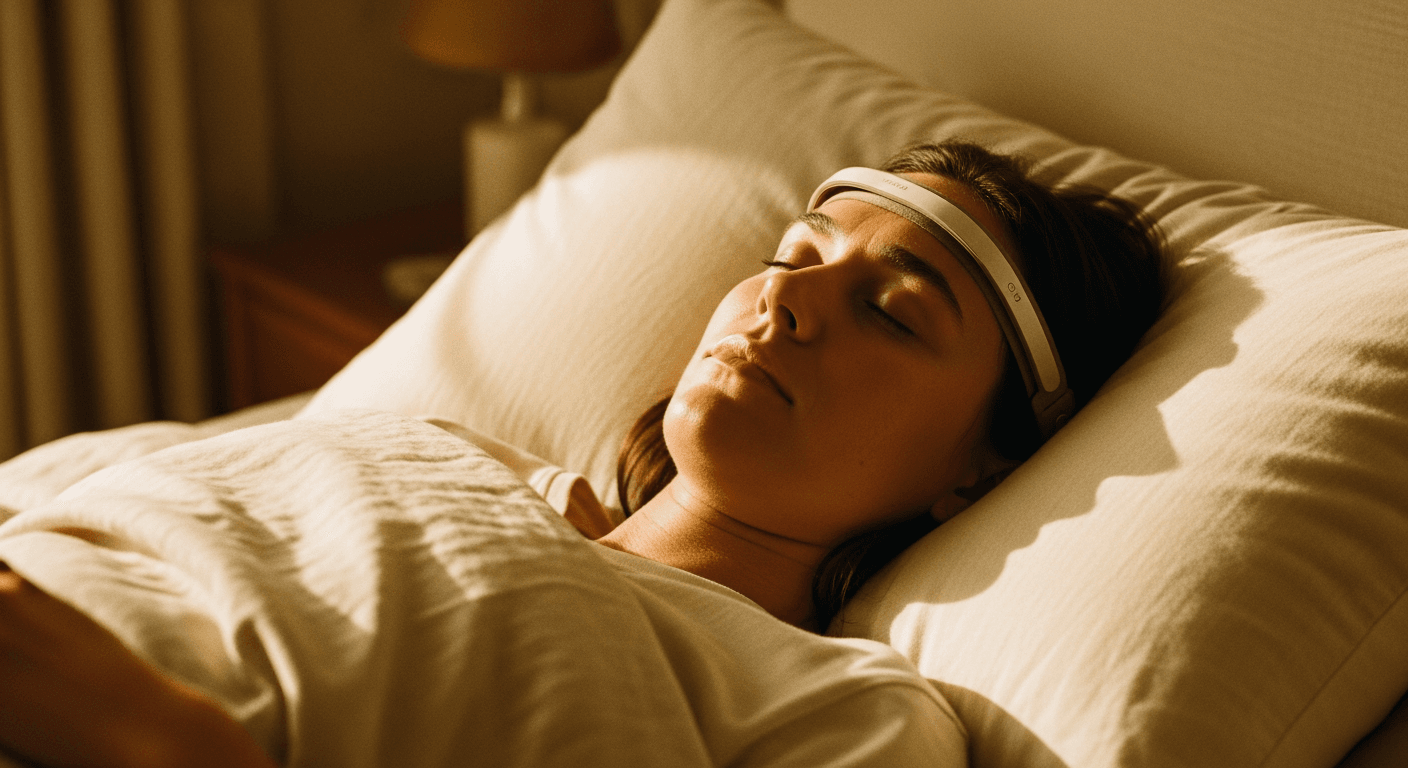
Beacon Biosignals is using at-home EEG headbands and machine learning to detect neurological warning signs in sleep data, years before symptoms appear.
At-Home EEG Is About to Change Sleep Science
At-home EEG devices are closing the gap with lab sleep studies, revealing new truths about sleep architecture that wrist trackers and single-night lab tests can't capture.
1 in 3 Young Adults Aren't Sleeping Enough: Why
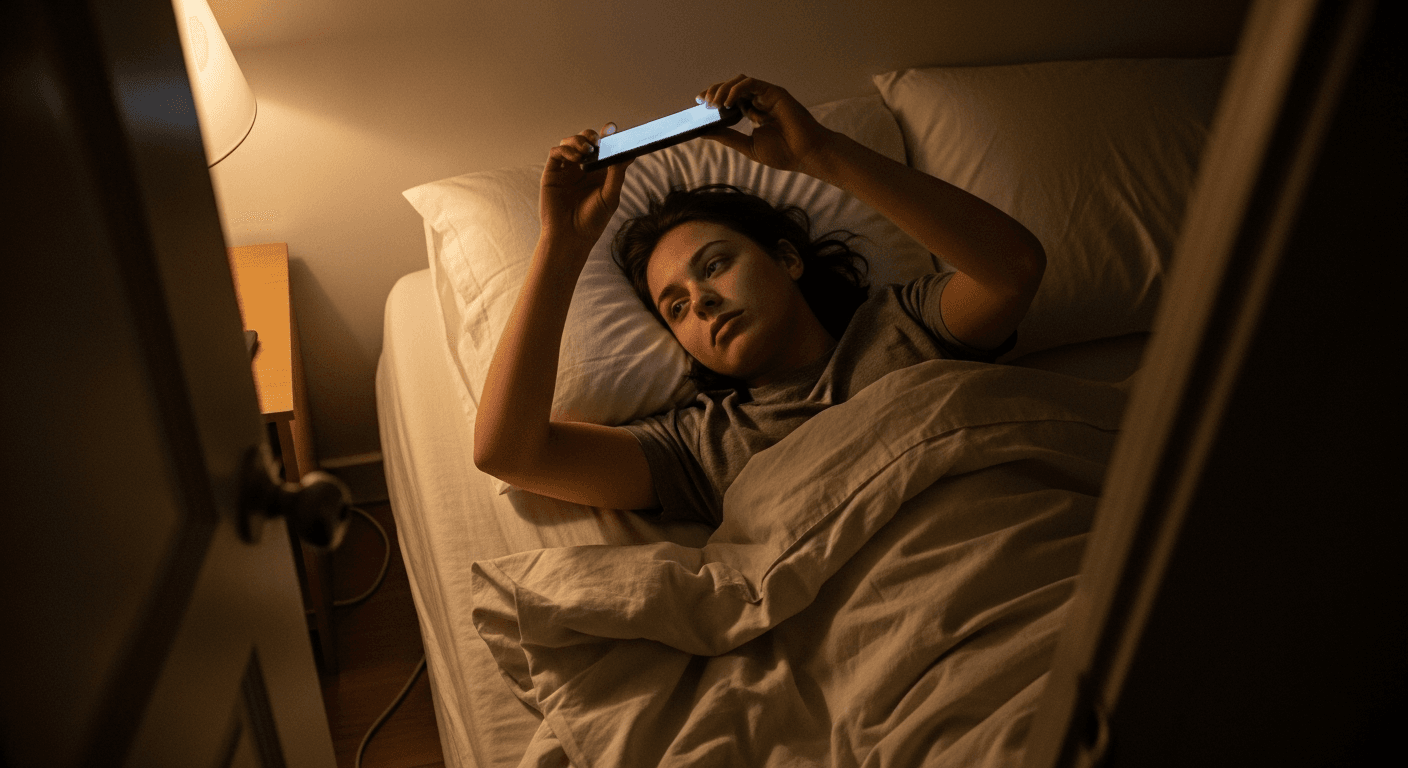
New research pinpoints late-night tech use, worry, and a racing mind as the top sleep disruptors for 18-34 year olds. Here's what that means for you.
The 2026 Sleep Gender Gap: What the Data Shows
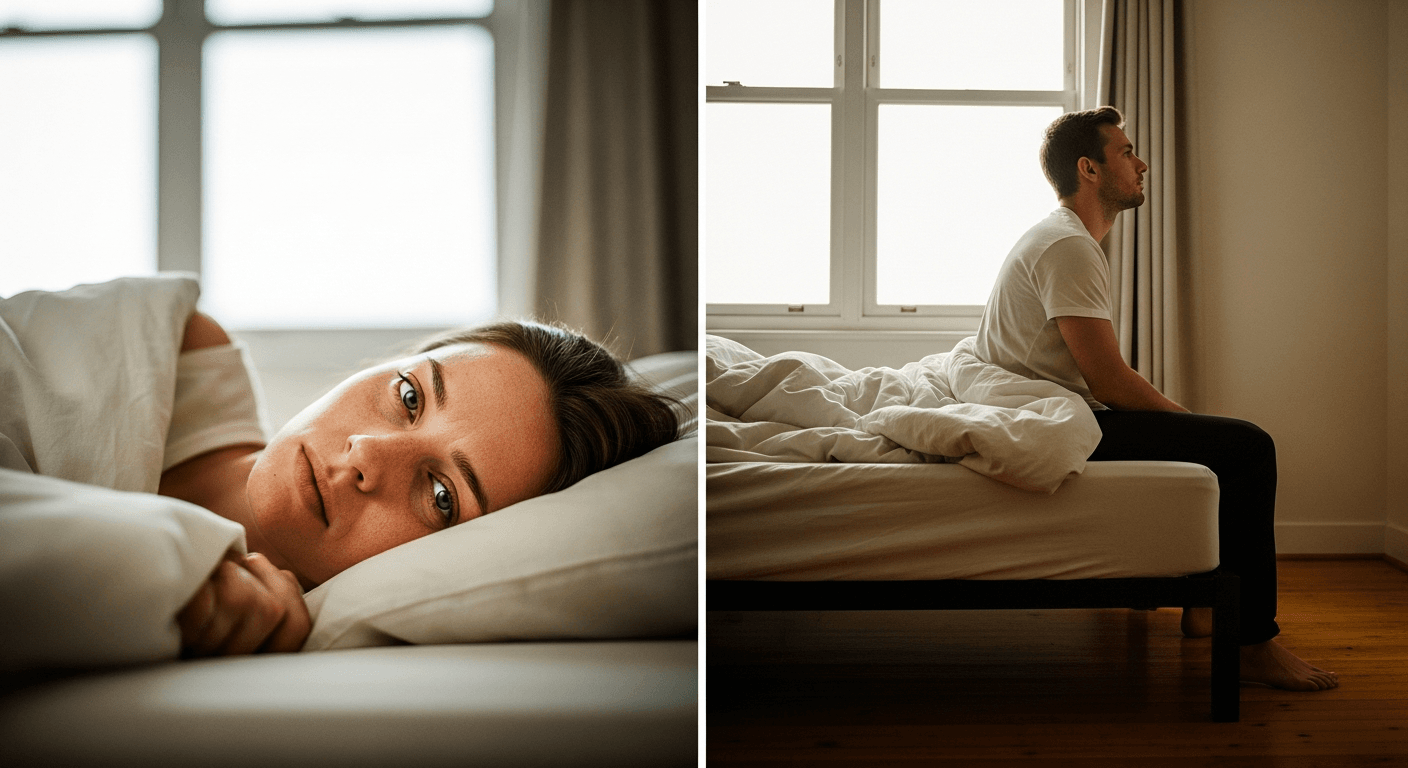
Women sleep more hours than men, yet men feel more rested. 2026 data reveals why sleep quality, not duration, is the metric that actually matters.
Sleep and Productivity for Young Adults: A Practical Fix
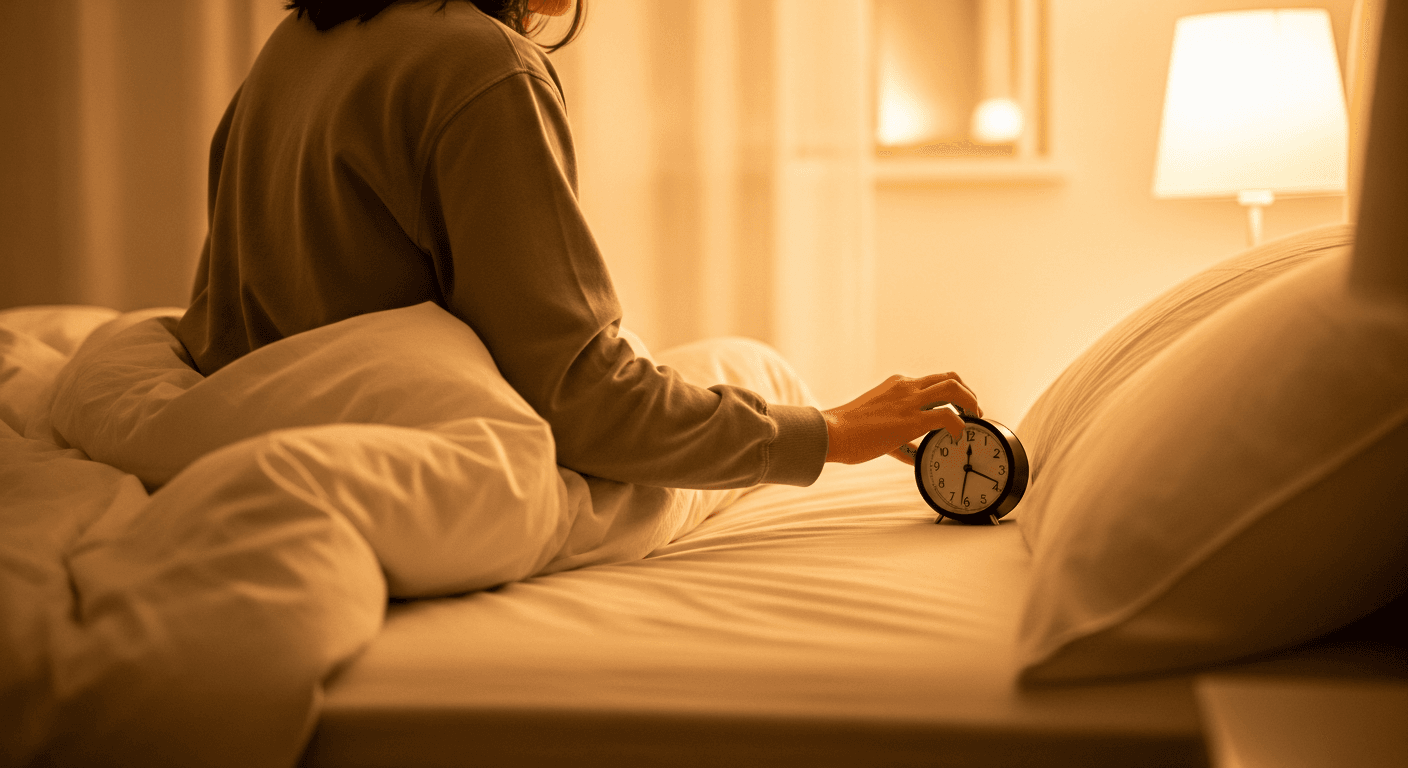
New Flinders University data shows 1 in 3 young adults lose productivity to poor sleep. Here's a practical fix for all four key disruptors.