
Your team's health is your best investment
Corporate wellness guides, data, and programs for companies integrating fitness into their culture. Reduce absenteeism and boost team performance.
Latest articles (309)

Sit-Stand Desks Add 43 Minutes of Work Daily
A November 2026 study finds sit-stand desk users log 43 extra minutes of active computer time daily, turning ergonomics into a hard productivity ROI argument.

Remote Work and Mental Health: Two Studies, Two Truths
Two 2026 studies on remote work and mental health reach opposite conclusions. The reconciling variable HR leaders must act on: whether employees live alone.

Burnout: Org-Level Fixes Beat Individual Strategies
Two 2026 systematic reviews agree: resilience workshops fail at 12 months. Only organizational-level changes produce lasting burnout reduction.

Workplace Mental Health 2026: The Numbers HR Can't Ignore
Three 2026 datasets show half of U.S. workers face burnout and 91% of UK adults hit extreme pressure, but companies with strong mental health support see employees twice as likely to thrive.

Total Wellbeing Is Replacing the Corporate Wellness Program
Employers are ditching step challenges for total wellbeing frameworks spanning physical, mental, financial, and social health — and the shift is backed by hard ROI data.

Move Every 30 Minutes: What the Science Says
A daily workout doesn't cancel out prolonged sitting. New 2026 research shows five minutes of movement every 30 minutes measurably cuts metabolic and mortality risk.

Remote Work and Loneliness: The NBER Study Changes Things
A November 2026 NBER study finds no sustained loneliness or mental health decline from remote work, forcing HR to rethink return-to-office mandates.

Job Stress Is Costing 48 Workdays a Year
New 2026 data shows US workers lose 48.5 days a year to stress. Here's why that's an HR cost problem, not a wellness one.
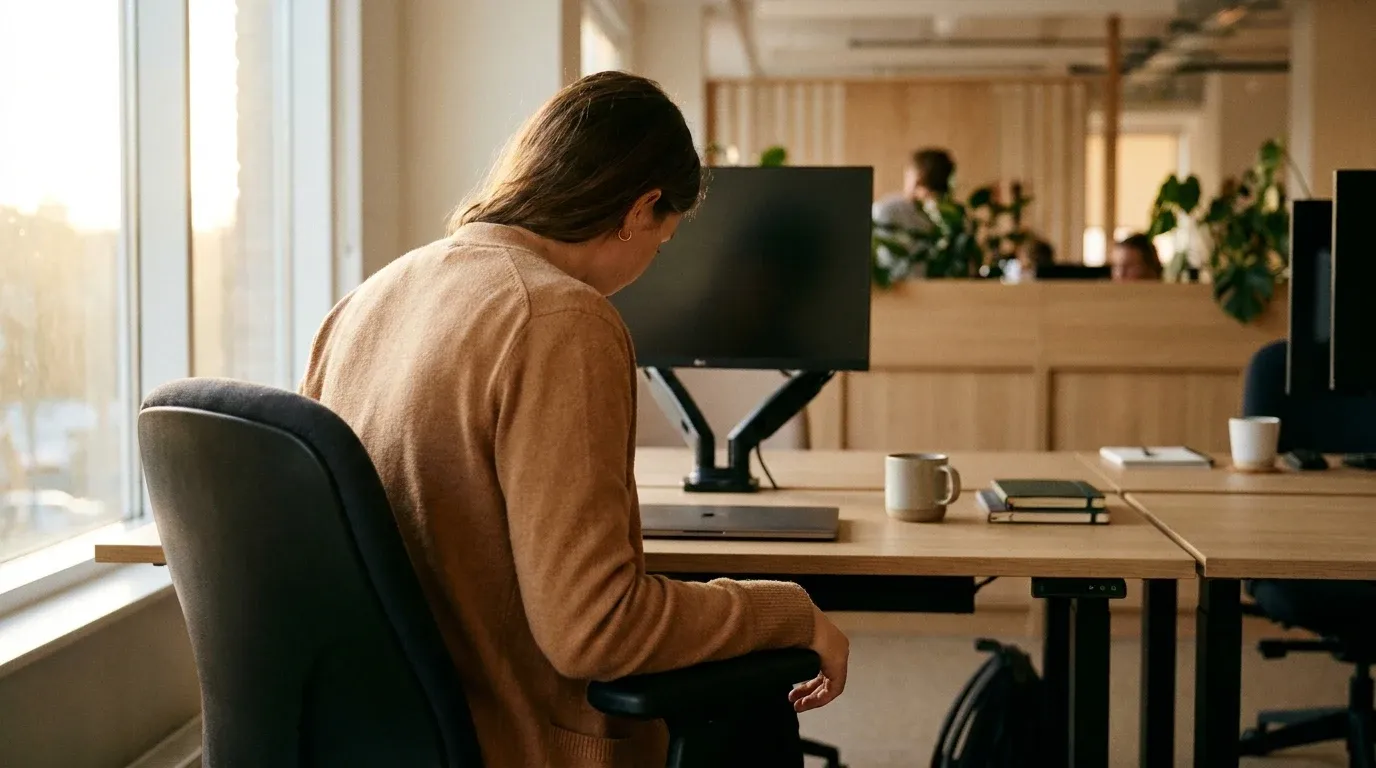
Ergonomics Won't Fix Neck and Arm Pain: Cochrane
A 2026 Cochrane review finds ergonomic interventions offer little benefit for neck and arm pain, challenging billions in annual corporate wellness spend.
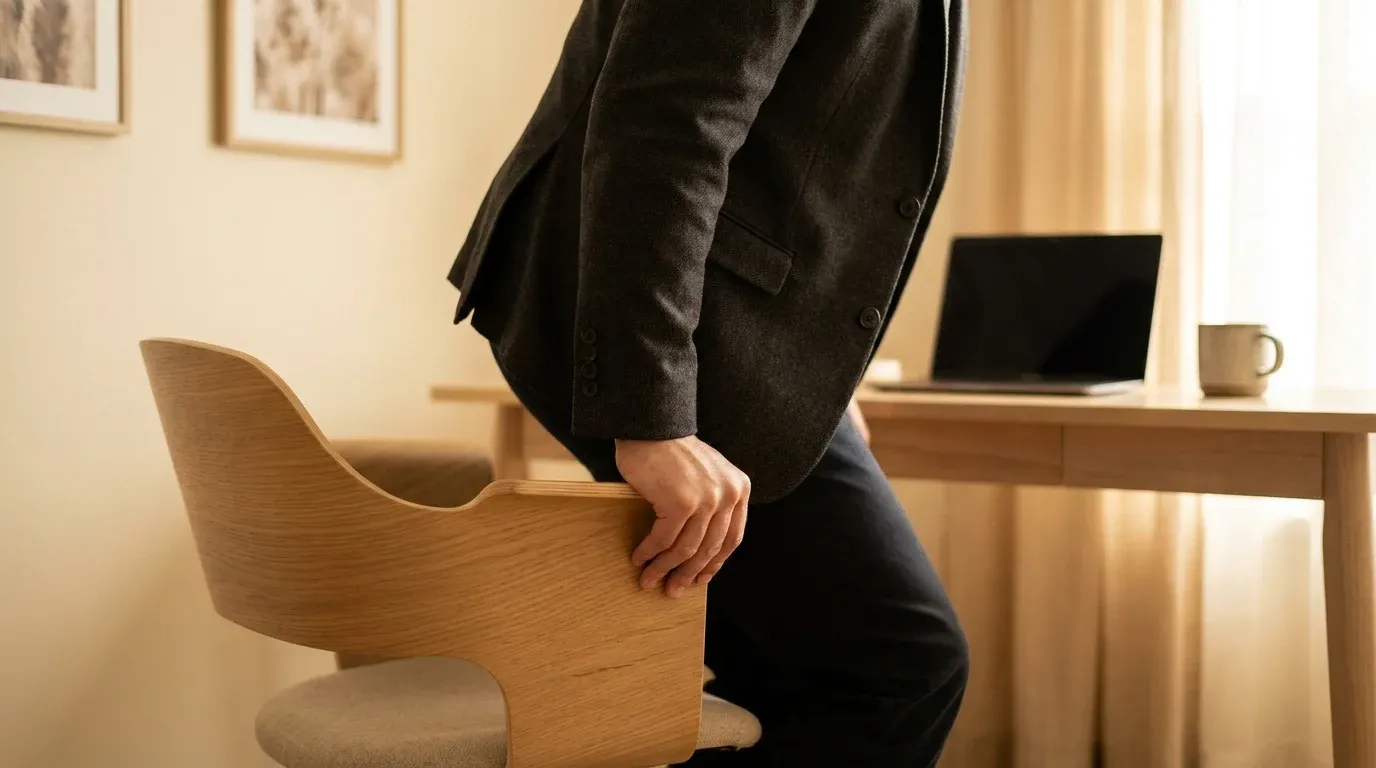
Exercise Won't Save You If You Sit All Day
New 2026 research confirms that gym sessions don't undo the damage of sitting all day. Breaking sedentary time every 30 minutes is the threshold that matters most.

Exercise Improves Work-Life Balance. Here's the Mechanism
A January 2026 study identifies work-life balance as the precise mechanism linking physical activity to competence satisfaction in high-stress professional roles.

Ergonomics at Work Won't Fix Your Neck Pain
A major Cochrane review of 20 trials finds ergonomic equipment doesn't reduce neck, arm, or shoulder pain. Here's what HR should fund instead.

Remote Work and Loneliness: What the Research Actually Shows
New 2026 UK research shows remote workers' pandemic-era mental health deficits had fully normalized by 2023, undermining the wellbeing case for blanket RTO mandates.

Work Stress Is Aging You Faster Than You Think
A landmark 2026 review links chronic occupational stress to measurable biological aging, reframing burnout prevention as a public health and business cost imperative.
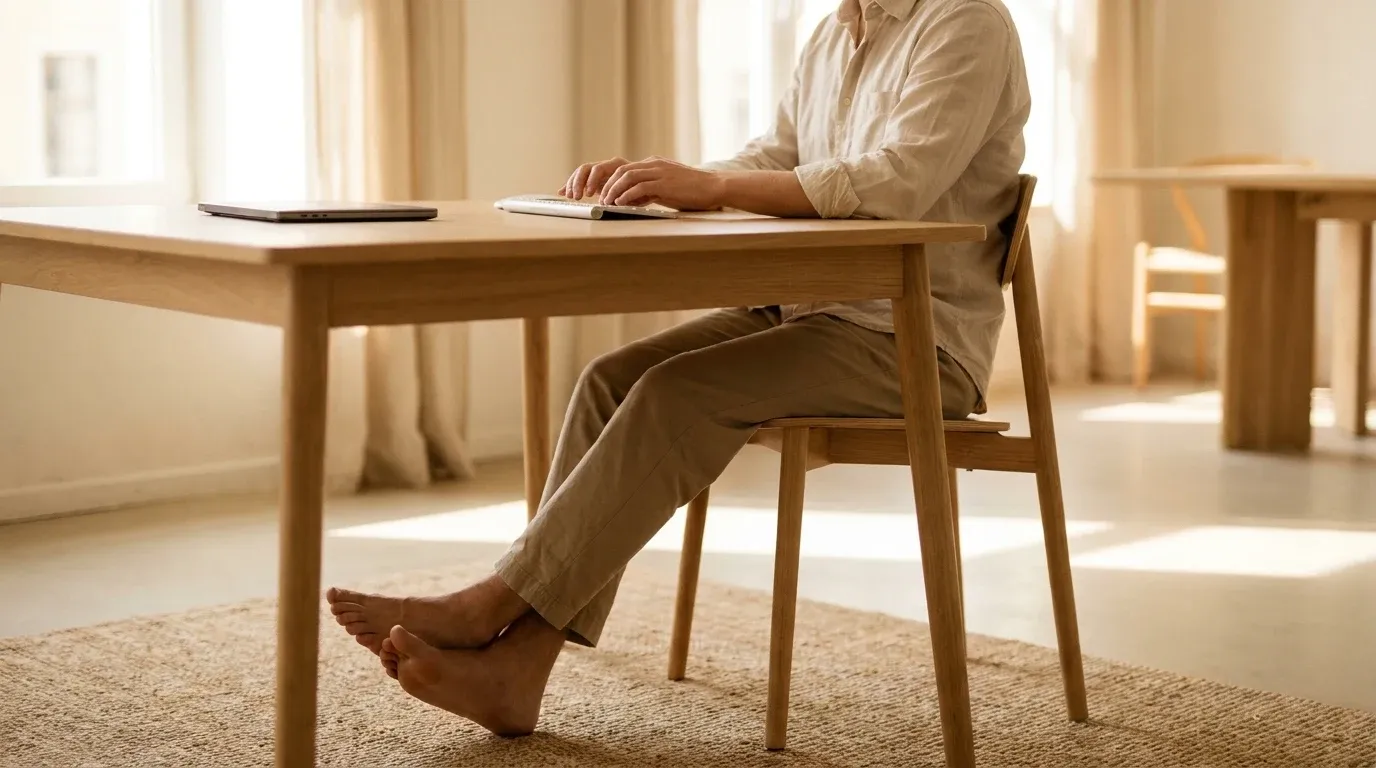
How to Break Up Sitting at Work: What Science Says
New research shows how you sit matters more than how long. Micro-interventions like chair aerobics and soleus push-ups deliver real metabolic and musculoskeletal gains at your desk.

59% of Workers Say Jobs Hurt Their Mental Health Monthly
Monster's 2026 report finds 59% of workers face monthly job-related mental health harm, while 70% mask their struggles. Wellness apps won't fix a structural problem.

Sedentary Work's Metabolic Toll: What Employers Must Do
October 2026 research confirms sedentary work raises cardiovascular mortality risk. Here's what employers must actually do about it.

Why Corporate Wellness Programs Keep Blaming the Worker
Three reports from November 2026 agree: corporate wellness programs fail because they treat health as an individual problem, not a structural one. Here's what HR must fix.
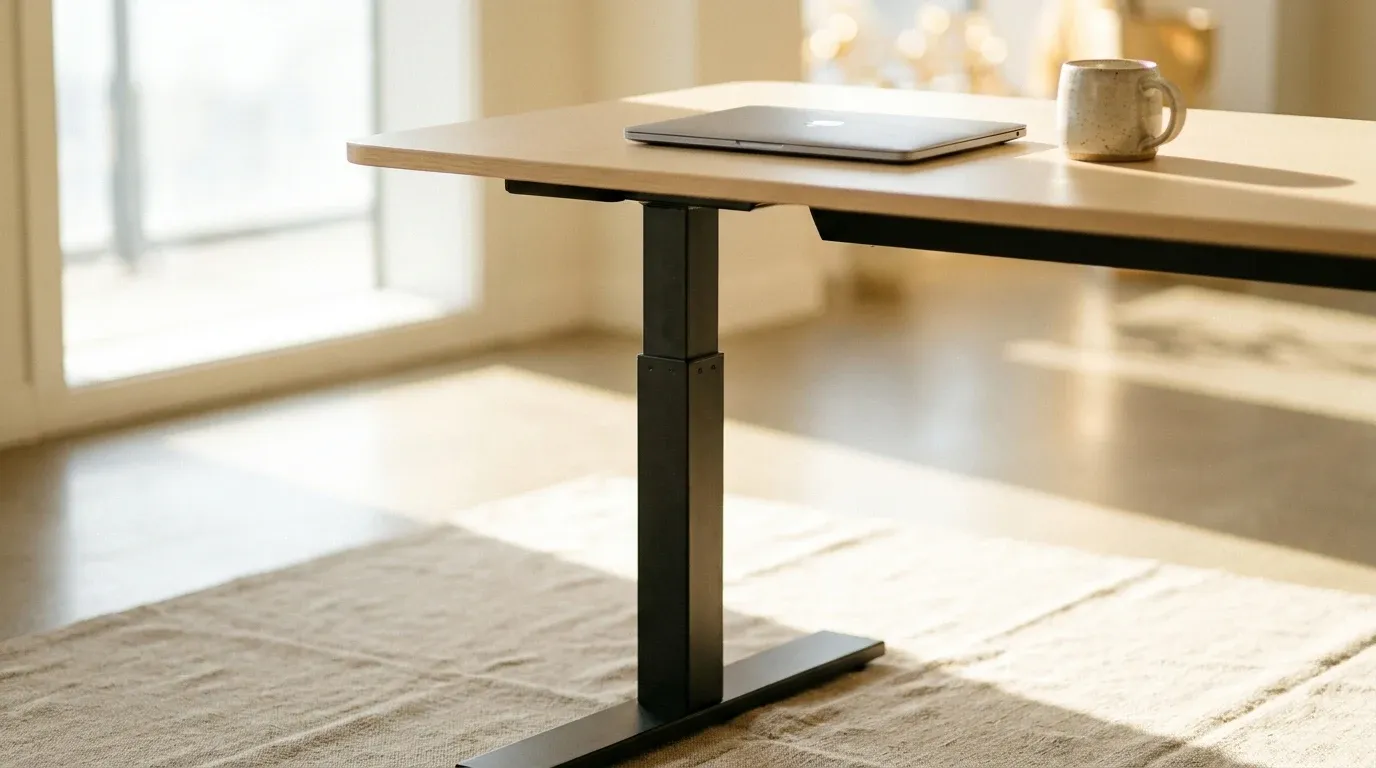
Sit-Stand Desks Add 43 Minutes and $9,000 in Productivity
A Texas A&M study of 10,000+ employees found sit-stand desks add 43 minutes of daily productivity, worth $9,000 per employee annually.

Exercise Builds Work-Life Balance. Here's What the Data Shows
Three 2026 studies show regular exercise measurably improves psychological detachment, reduces stress, and lifts life satisfaction. Here's what HR should do with that data.

Burnout's Root Causes in 2026: The HR Playbook That Works
An August 2026 study pinpoints four structural burnout drivers and gives HR leaders a prioritized action framework focused on workload, autonomy, recognition, and communication.

Workplace Stress Hit a Record High in 2026. Now What?
Three major 2026 reports show workplace stress and burnout at all-time highs. Here's where HR leaders should focus first.

Standing Desks: What 10,000 Workers Actually Showed
A 10,000-worker study puts a near-$9,000 productivity value on sit-stand desks, but a Cochrane review finds they don't reduce pain. Here's what the evidence actually says.

Corporate Wellness ROI: What HR Should Actually Measure
91% of companies tracking wellness programs report positive ROI, but most HR teams measure the wrong things. Here's the framework that actually works.