
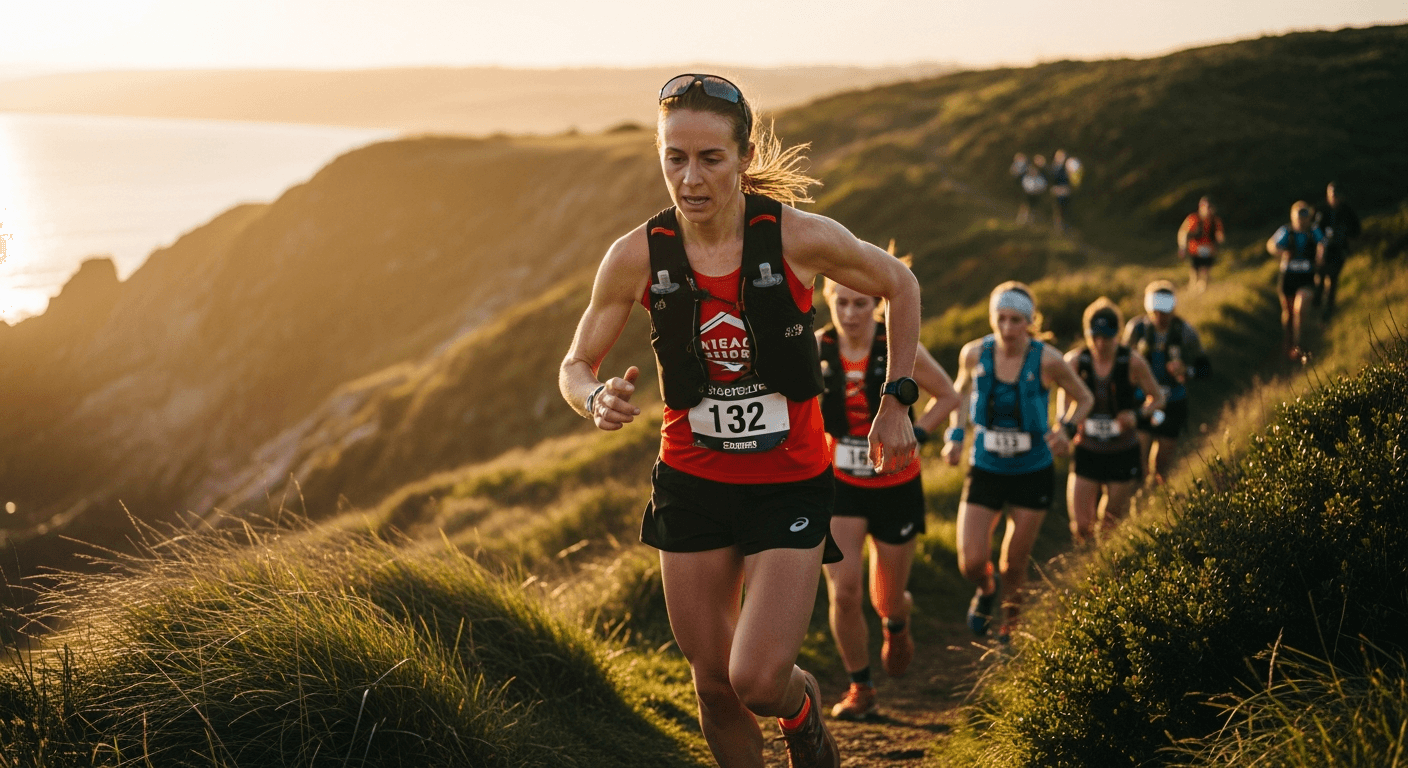
Women's trail running is having a moment in 2026, and Naomi's performance at the Bay Trail Race on May 25 is exactly the kind of result that's pushing that conversation forward. Whether you're tracking elite results or planning your own summer trail event, here's why this race matters and what you can actually take from it.
The Result That Turned Heads This Week
Naomi's finish at the Bay Trail Race landed in the trail community's feed this week as one of the standout women's performances of the May 25 race calendar. For full results and context across the week's events, the Trail and Ultra Results: Week of May 25, 2026 breakdown covers the wider picture.
What made Naomi's effort notable wasn't just the placing. It was how she got there. Reports from the course described a runner who managed effort with unusual discipline on the climbs, resisted the temptation to chase early leaders, and built through the second half of the race when others were fading. That's a profile that tells a story worth unpacking.
The Bigger Picture: Women in Trail Are Winning Attention
This isn't happening in isolation. Women's trail performances have been pulling real media weight in 2026. Tove Alexandersson's back-to-back Zegama wins set a high bar earlier this year and shifted how broadcasters and publications frame elite women's trail racing. It's no longer treated as a footnote to the men's race. It's the headline.
Participation data backs this up. Women now represent a growing share of trail and ultra field entrants globally, with some events reporting close to 40% female participation in shorter trail distances. Brands, race directors, and coaches are adjusting accordingly. Naomi's performance at the Bay fits neatly into this trajectory: elite women are demonstrating tactical sophistication that's worth studying regardless of your own pace or experience level.
What Made Naomi's Race Tactically Exceptional
Three elements defined how Naomi ran the Bay Trail Race, based on the course profile and post-race reporting.
Controlled Early Effort on the Ascents
The Bay course features significant elevation in its opening sections. Naomi's approach on those early climbs was measured. She didn't push into the red chasing competitors ahead of her. Research on trail pacing consistently shows that runners who exceed sustainable effort on uphill segments in the first third of a race face disproportionate performance decay in the final third. Naomi appeared to understand that the climbs were a test of restraint, not strength.
Technical Descending as a Weapon
Where Naomi made up ground was on the descents. Technical downhill running is an underrated skill in trail racing, and it's one where confidence, practiced technique, and appropriate footwear combine to create real time gains without additional aerobic cost. Many amateur runners brake too hard or land too heavily on descents, losing time while also accumulating quad fatigue that compounds later. Naomi's descending was described as fluid and committed, suggesting months of deliberate practice on similar terrain.
Second-Half Negative Split Mentality
The clearest signal of Naomi's tactical intelligence was how she ran the back half of the race. Trail events don't lend themselves to true negative splits the way road marathons do, but the principle still applies: you want to be moving faster relative to your competition in the final quarter of the race, not slower. Naomi was. That's the product of pacing discipline early and efficient fueling throughout.
What Club Runners Can Learn and Apply
Elite trail performances aren't just spectator sport. The tactical patterns that define how top athletes run translate directly to how you should approach your own events, whether that's a 10K trail race or a 50K this summer.
Train Your Downhills Deliberately
Most recreational runners train uphill effort and neglect downhill technique. If your summer event includes technical descents, dedicate specific sessions to practicing them. Start on moderate slopes, focus on a slight forward lean, shorter stride, and relaxed arms. Build to steeper and more technical terrain over six to eight weeks. This is a skill gap that closes faster than fitness gaps and pays off significantly on race day.
Dial In Your Pacing Strategy Before Race Day
Trail running GPS data is useful but imperfect given elevation and canopy interference. A better approach is to set effort-based targets for each segment of the course. Walk the climbs if that keeps you in your aerobic zone. Commit to the descents. Save a deliberate push for the final third. Runners who go out too hard on trail courses almost always regret it.
Take Fueling Seriously on Anything Over 90 Minutes
Naomi's second-half strength almost certainly reflects a fueling strategy that was planned and executed, not improvised. For trail events lasting longer than 90 minutes, carbohydrate intake during the race is not optional if you want to perform in the back half. The principles here are similar whether you're running or cycling. The Cycling Event Nutrition: Your Race-Day Fueling Guide covers race-day fueling mechanics that apply directly to trail running, particularly around timing, formats, and managing gut stress at pace.
A common target for endurance athletes is 30 to 60 grams of carbohydrate per hour during sustained effort, with some trained athletes tolerating up to 90 grams per hour using multiple carbohydrate sources. Practice this in training before committing to it on race day.
Support Your Training With Smart Nutrition Habits
Fueling doesn't start at the start line. The weeks of training leading into a summer trail race are where your nutrition habits either support or undermine your preparation. Protein intake and distribution across the day, for example, is frequently misunderstood. If you're putting in high trail mileage and wondering why your recovery feels off, it's worth reviewing what the evidence actually says. Protein Timing: What You Think You Know Is Probably Wrong breaks down the research on daily totals, distribution, and pre-sleep intake in a way that's directly applicable to endurance athletes in training blocks.
Bone density is another area trail runners should pay attention to, particularly women. Running on technical terrain increases mechanical stress on the skeleton, and micronutrient support matters more than most recreational runners realize. Boron: The Overlooked Mineral Athletes Should Know About covers a nutrient with real relevance for runners training at volume.
The Women's Trail Narrative Isn't Slowing Down
Naomi's Bay Trail Race result is a single data point in a pattern that's been building across the 2026 trail calendar. Women's elite performances are attracting serious analytical attention, not just coverage, and the tactical quality on display is raising the bar for what thoughtful trail racing looks like at every level.
That matters for you as a recreational or club runner because the principles don't compress when you scale them down. The same discipline that drove Naomi's pacing decisions on the Bay course applies when you're targeting a personal best on your local trail series. The same fueling logic that supported her second-half strength applies when you're 75 minutes into a 10-mile event and wondering whether to take that gel.
Trail running in 2026 is a sport with increasingly sophisticated athletes at every tier. The women driving the elite narrative this year are worth following closely, and the Bay Trail Race result is a strong reminder of why.
If you're building toward a summer trail event and want broader context on what's happening at the elite level this week, the Trail and Ultra Results: Week of May 25, 2026 roundup is a useful place to keep your finger on the pulse of the field.