
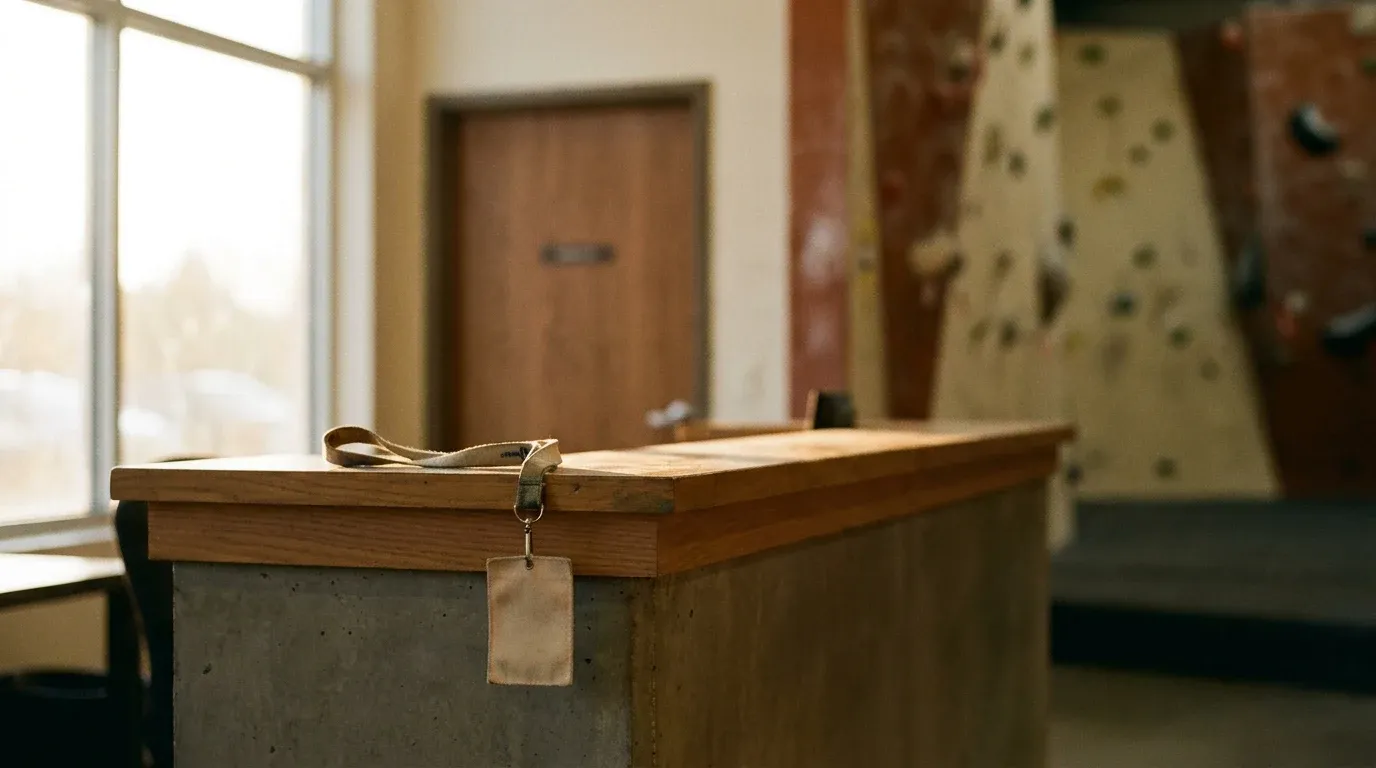
On November 17, 2026, workers at Movement Callowhill, a rock-climbing gym in Philadelphia, walked off the job for a full day. The one-day strike wasn't spontaneous. It followed nearly three years of stalled contract negotiations after staff voted to unionize in 2023, with disputes centering on pay, benefits, and scheduling instability. For operators running specialty fitness facilities anywhere in the English-speaking world, that timeline is the part worth studying closely.
Three years is a long time to defer a decision. It's also enough time for a solvable staffing problem to become a public labor crisis.
What Actually Happened at Movement Callowhill
Movement is not a struggling operation. It's part of one of the largest climbing gym networks in the United States, with facilities across multiple major cities. The Callowhill location in Philadelphia serves a loyal, experience-driven membership base. That context matters: this wasn't a labor dispute at a gym fighting for survival. It was a dispute at a premium facility where staff felt the terms of their employment hadn't kept pace with what the brand was asking them to deliver.
Workers cited three core issues: wages that hadn't moved meaningfully since unionization, benefit structures they described as inadequate, and scheduling practices that made financial planning difficult. The last point comes up repeatedly in fitness sector labor disputes and rarely gets the attention it deserves from the operations side.
The strike itself lasted one day. But the reputational conversation around it doesn't have a fixed end date.
Specialty Gyms Are Now a Unionization Hotspot
The climbing and bouldering segment isn't an outlier. Since 2023, unionization activity across specialty and boutique fitness has accelerated noticeably. Staff at experience-led facilities, including climbing gyms, yoga studios, and cycling concepts, have identified something important: their labor is not interchangeable. A front desk coordinator at a climbing gym who knows every regular member by name, manages safety protocols, and coaches new climbers through technique isn't a commodity role. That skill and relationship density gives workers real bargaining leverage.
This is part of a broader shift visible across the fitness trends shaping late 2026, where the premium end of the market increasingly runs on human expertise and interpersonal trust rather than equipment or square footage. When those human assets feel undervalued, the business model is more exposed than it looks from a P&L.
Union organizing in fitness has now established local precedents in several US cities, including Philadelphia, New York, and Chicago. Once a successful contract negotiation happens in a market, it sets a visible benchmark for every other facility in that market. Operators who assume their staff aren't paying attention to what's happening at comparable gyms are assuming wrong.
Scheduling Is the Hidden Fault Line
Of the three grievances cited by Movement Callowhill workers, scheduling unpredictability is the one most operators consistently underestimate. It doesn't show up as a line item. It doesn't generate a complaint ticket. But it creates chronic instability for hourly workers who rely on predictable income, and it's the grievance most likely to push otherwise patient staff toward formal organizing.
The operational logic that drives erratic scheduling is understandable: lean staffing models are one of the primary tools gyms use to manage payroll as a percentage of revenue. Shift coverage adjustments, last-minute call-ins, and fluctuating hours are treated as flexibility. From the worker's perspective, that flexibility is often unilateral. The gym gets the upside; the employee absorbs the variance.
The member experience consequence is direct and underappreciated. When scheduling instability causes high turnover or disengaged staff, the quality of the member-facing experience drops. In a climbing gym, that quality is the product. Members aren't paying a premium for the walls. They're paying for instruction quality, safety culture, community atmosphere, and the relationships they build with consistent staff. A retention system that actually cuts cancellations starts with staff who are present, engaged, and not constantly looking for more stable work elsewhere.
When you run a lean staffing model at a premium price point, you're making an implicit promise to members that the experience will justify the cost. That promise is only as strong as the staff delivering it.
The Unpriced Labor Risk on Your Balance Sheet
Here's the uncomfortable question for operators: when did you last benchmark your wage structure, benefit offerings, and scheduling policies against current market rates?
If the answer is "when we set them up," you're carrying a labor risk that isn't reflected anywhere in your financial model. Wages for fitness facility staff have moved materially since 2021 across most major US and UK markets. The cost of living in cities where premium gyms tend to cluster, including Philadelphia, Boston, Denver, Austin, and London, has outpaced the wage adjustments many operators made during and after the pandemic period.
Benefits are a secondary pressure point. Health coverage, paid time off, and retirement contributions have become standard expectations among workers in their twenties and thirties, which is the primary labor pool for specialty fitness. Facilities that treat these as optional extras are increasingly finding that position difficult to defend during hiring and retention conversations.
The operators most exposed are those in markets where union organizing in fitness has already produced ratified contracts. Those contracts create visible wage and benefit floors. If your structure sits below those floors, your staff already knows it. The question is only how long before that knowledge translates into collective action.
Larger gym networks navigating growth through acquisition, the kind of expansion strategy examined in coverage of Interactive Strength's acquisition-driven growth model, face a compounded version of this risk. Each acquired facility comes with its own labor culture, wage history, and existing staff relationships. Integrating those without a systematic review of compensation parity is an invitation to exactly the kind of deferred crisis Movement Callowhill is now working through.
What a Labor Audit Actually Looks Like
You don't need a labor attorney to start this process, though you may want one before you finish it. A practical labor risk audit for a specialty gym operator covers four areas:
- Wage benchmarking: Compare your current hourly rates and salary ranges against publicly available union contract disclosures in your market, job posting data, and Bureau of Labor Statistics figures for fitness workers in your city. If you're in a market with established gym union contracts, those contracts are public documents.
- Scheduling practice review: Audit your last 90 days of scheduling data. What percentage of shifts were modified within 48 hours of the start time? What's your involuntary hour reduction rate? These numbers tell you how much variance your staff is absorbing.
- Benefits gap analysis: Map your current benefit offerings against what comparable employers in your city are providing. This includes health insurance contribution levels, PTO accrual rates, and any retirement matching. The gap between your structure and the market expectation is a retention liability.
- Staff sentiment assessment: This one is harder to quantify, but it matters. Anonymous pulse surveys, structured one-on-ones with team leads, and honest exit interview analysis will tell you whether your staff feel heard. If you don't have a mechanism for collecting that signal, you're operating with a blind spot.
None of these steps are expensive relative to the cost of a strike, a union election campaign, or the reputational fallout from a public labor dispute in a tight-knit specialty fitness community.
The Reputational Dimension Operators Underestimate
Climbing gyms operate in a community context that's unusually tight. Members often know staff personally. They follow gym social accounts. They talk to each other. When a labor dispute becomes public, the member community doesn't stay neutral. Some will side with workers. Others will feel uncertain about whether the facility they trust is treating its people fairly. Neither response is good for retention.
The specialty fitness sector has spent the last several years building its identity around values: sustainability, community, authentic experience. A labor dispute cuts directly against that identity. It's hard to market a premium climbing gym as a community-first space while your staff is on the sidewalk with signs.
This reputational exposure extends beyond the immediate member base. As the fitness industry watches consolidation reshape the landscape, with large networks expanding across markets the way Providence Equity is building its European gym network, the labor practices of leading operators are increasingly visible. A strike at one location travels further than it used to.
The Practical Takeaway
Movement Callowhill's one-day strike is not a cautionary tale about unions. It's a cautionary tale about deferral. Nearly three years of unresolved negotiations didn't happen because anyone intended harm. They happened because resolving them required difficult decisions about compensation costs that operators kept pushing forward. The bill arrived anyway, with interest.
If you run a specialty gym or boutique fitness facility, your staff's direct role in delivering member experience gives them more leverage than a traditional retail or service workforce. That's worth understanding before it's demonstrated to you in a public way. The operators who treat staff relations as a periodic audit item rather than an ongoing operational priority are the ones most likely to find themselves managing a crisis that a timely conversation could have prevented.
Your members choose your facility in part because of the people who work there. Treat that asset accordingly.