
Fitness Training Guides
Strength training, workout programs, and progressive overload explained. Build muscle, get stronger, and reach your fitness goals.
Latest articles (423)
Progressive Overload: The One Rule That Actually Builds Muscle
Progressive overload is the most evidence-backed driver of muscle growth, but load is just one of five variables. Here's how to apply it correctly.
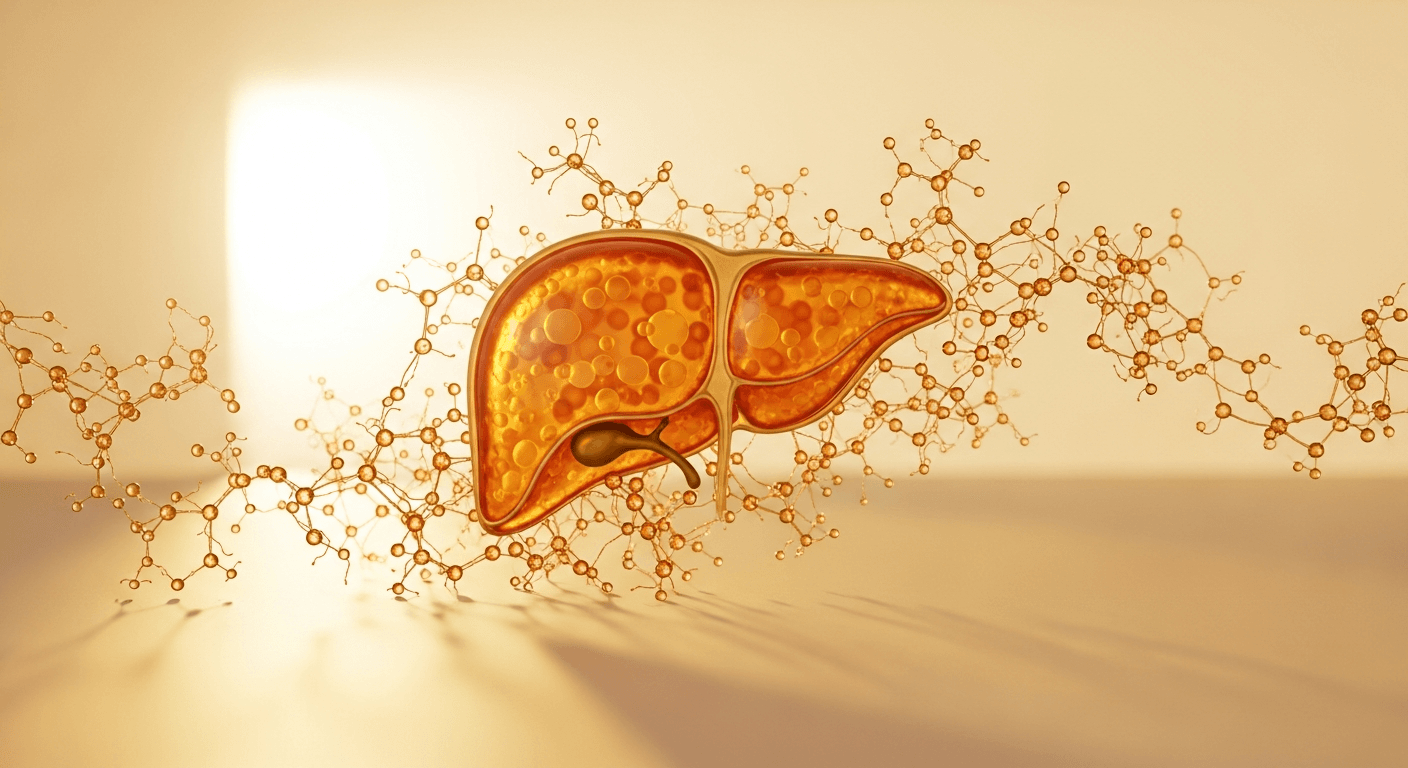
The Liver Switch That Could Rewrite Cholesterol
A newly identified liver protein called HELZ2 can slash bad cholesterol at the genetic level. Here's what it means for athletes managing cardiovascular health through training.
Deload Weeks: What They Are and Why You Need One
A proactive deload every 4–8 weeks reduces injury risk, unlocks suppressed strength gains, and keeps serious training sustainable long-term.
Strength Training Replaced Weight Loss as the #1 Fitness Goal in 2026
For the first time, strength training surpassed weight loss as the #1 fitness goal in 2026. Life Time's survey of 82% of Americans reveals the shift toward longevity. What it means for coaches and brands.

You Don't Need to Go Hard to Build Muscle — New Study Confirms It
A May 2026 study confirms: light loads taken near failure produce muscle gains comparable to heavy lifting. The critical condition — and what this means for people who've been avoiding heavy weights.

Train Less, Push Harder: Why Intensity Beats Duration
New 2026 research confirms training intensity outperforms duration for cardiovascular and metabolic health. Here's what that means for your weekly program.

How to Combine HIIT and Strength Training in One Week
Thirty minutes of HIIT per week delivers real cardiovascular benefits. Here's how to add it to a strength program without triggering the interference effect.

HIIT for Brain Health and a Longer Life: What Science Says
NTNU research shows short, intense exercise bouts improve brain function and extend lifespan independently of total weekly volume. Here's the practical weekly structure.

HIIT for Beginners: How to Start Without Getting Hurt
New HIIT research sounds promising, but beginners who jump in too hard get hurt. Here's a practical 4-week ramp-up that delivers results safely.

Cardio + Strength Training: The Program That Maximizes Longevity
Cardio alone cuts mortality by 34%. Strength alone: 21%. Both together: 41%. Here's the optimal weekly program built from 30 years of BJSM data on 147,000 adults.

30 Minutes of HIIT a Week Can Cut Disease Risk by 50%
Just 30 minutes of high-intensity exercise per week can reduce the risk of 30+ lifestyle diseases by up to 50%, new Norwegian research confirms.
Training Through Summer: How Heat Changes Your Gym Performance and What to Do About It
Summer heat cuts gym performance 4-8% in the first weeks. Here's how to adapt your sessions to keep progressing without fighting your physiology.
90 Minutes of Strength Training a Week: The 30-Year Study That Changes the Math
A 30-year study of 147,000 adults published in the BJSM shows 90-120 minutes of strength training per week reduces all-cause mortality by 13% and neurological disease risk by 27%. No additional benefit above 2 hours.
Muscle Health Awareness 2026: What Your Training Actually Does for Long-Term Health
Muscle Health Awareness 2026: skeletal muscle is your largest endocrine organ. Myokines, sarcopenia risk, and what your resistance training is actually doing for your long-term health.
ACSM 2026 Guidelines in Practice: How to Restructure Your Training Week
The new ACSM 2026 guidelines: 10 minimum sets/muscle/week, 2-3 RIR. How to restructure your PPL, Upper/Lower, or Full Body split to apply them — with concrete templates.

How to Combine Strength Training With Team Sports
New soccer periodization research reveals that timing, exercise selection, and sequencing your strength work around team sport practice can reduce fatigue by nearly 30%.

48-Hour Rest Block Cuts Neuromuscular Fatigue by 30%
A 48-hour rest block after high-intensity strength training cuts neuromuscular fatigue penalties by nearly 30%, reshaping how serious lifters should structure recovery.
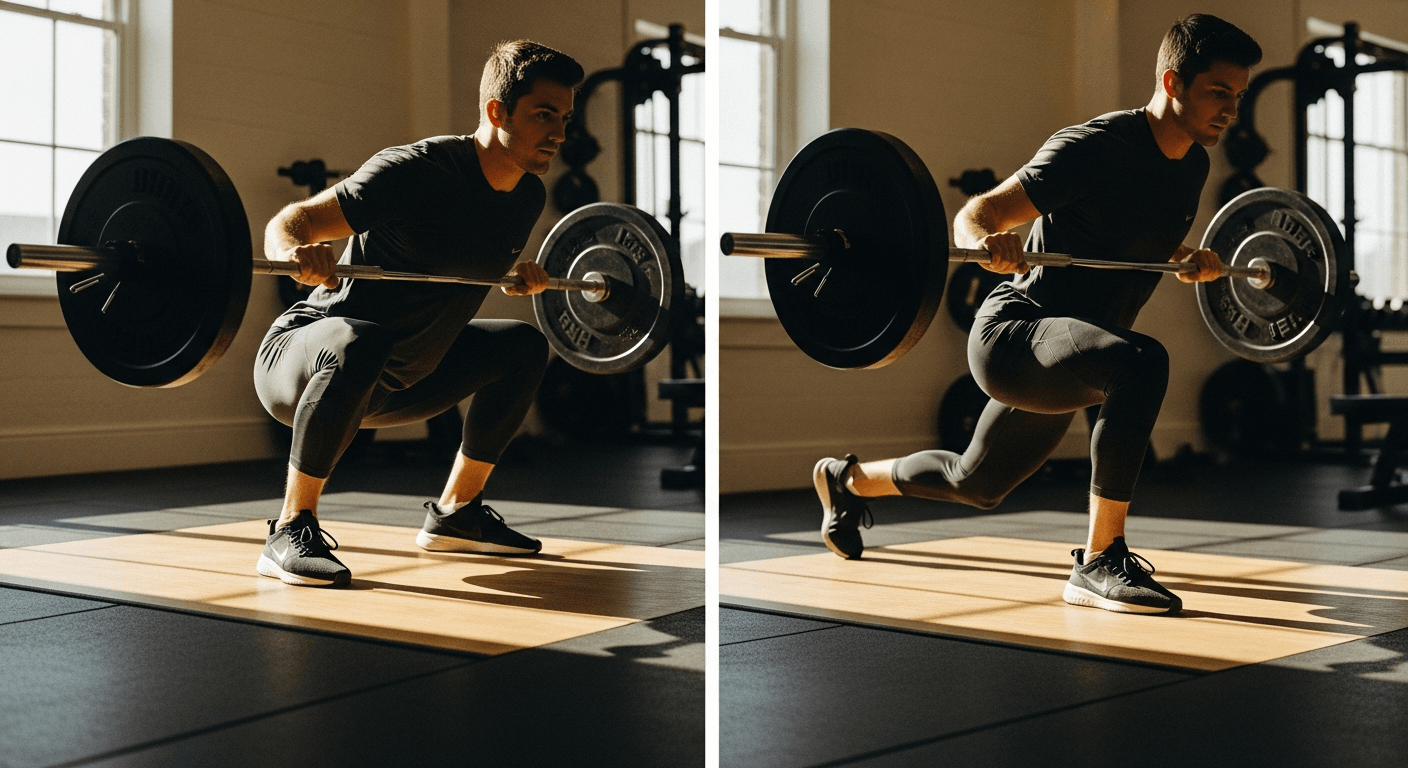
Lunges vs Back Squat: Which One Should You Choose?
New periodization research shows lunges can match back squat strength gains with less fatigue, making them a smarter pick for high-frequency training.

Ozempic and Lifting: How to Preserve Muscle While Losing Weight on GLP-1
On Ozempic or Wegovy, 25–40% of your weight loss can be muscle without proper training. The exact protocol for maximizing fat loss while preserving lean mass on GLP-1.

Dietary Fat and Cancer Risk: What Lifters Need to Know
New research links specific dietary fat patterns to elevated pancreatic cancer risk, with direct implications for lifters following keto or high-fat protocols.

Deload Week: What the Science Says About When and How
New research shows structured deload weeks cut neuromuscular fatigue by nearly 30%. Here's exactly when to take one and how to program it right.
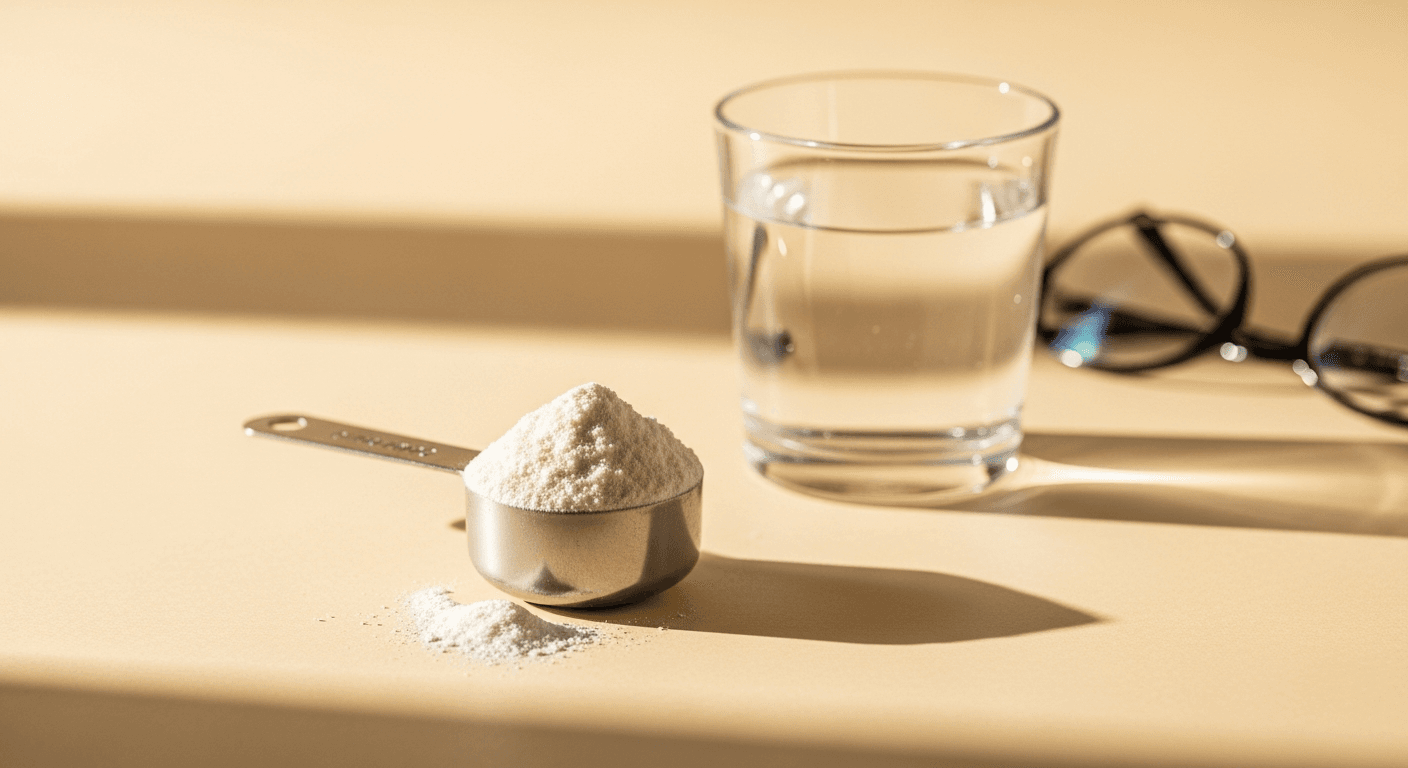
Creatine After 50: Muscle, Bone, and Brain — The Complete Guide
Creatine after 50: a complete guide on muscle, bone, and cognitive benefits based on 2026 research. Dosage, timing, safety — everything you need to know.

ACSM's 2026 Resistance Training Guidelines: What Actually Changed
ACSM just released its first resistance training guidelines update in 17 years. Here's what 137 systematic reviews and 30,000+ participants say about strength, hypertrophy, and power training.

Real Weight Loss Rewires Your Gut and Brain at the Same Time
A new study shows lasting fat loss requires simultaneous gut microbiome and brain changes, reframing weight loss as a full-system biological transformation.