
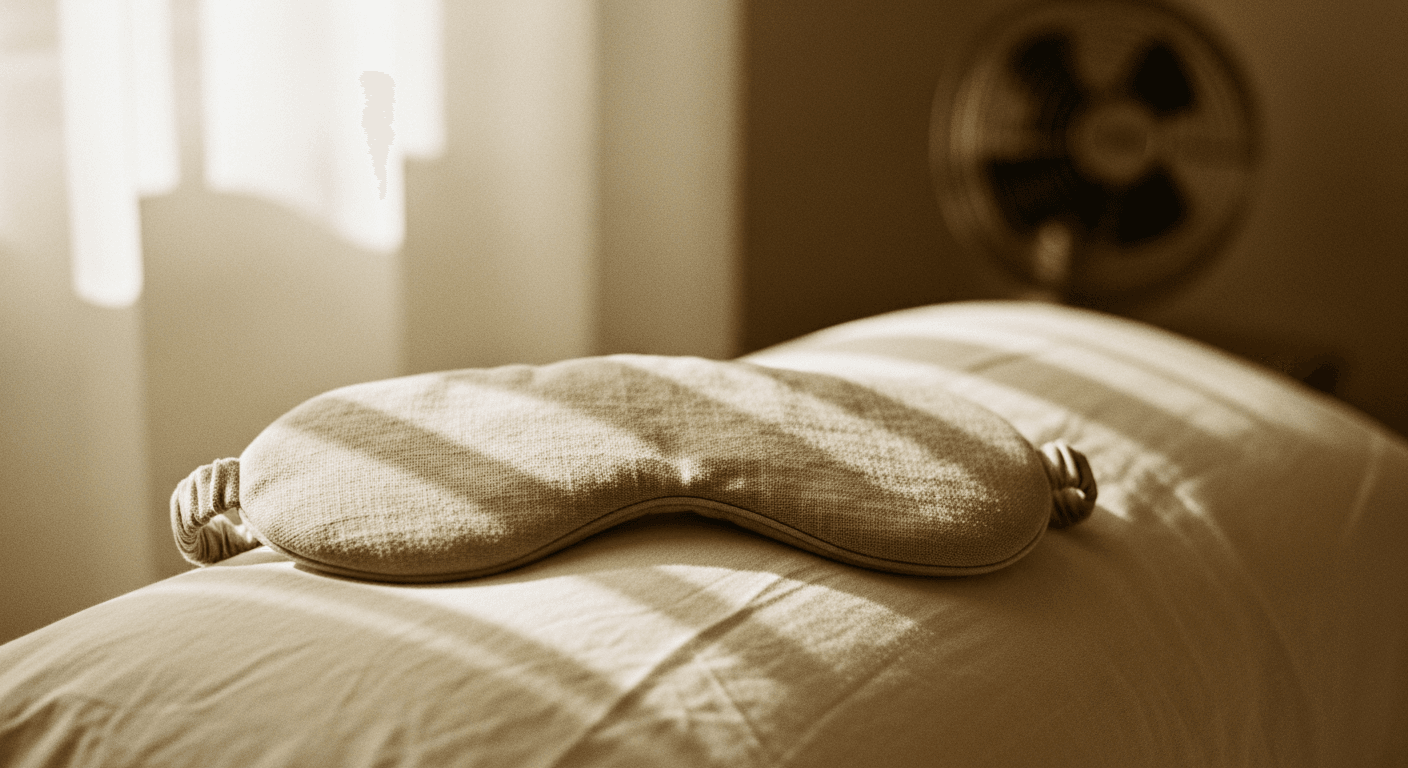
Summer systematically degrades recovery — and many athletes realize it too late. Heat doesn't just affect performance during training. It affects what happens afterward: sleep quality, heart rate variability (HRV), and the speed at which your body recovers between sessions.
Key Takeaways
- Heat and sleep: core body temperature stays elevated, reducing deep sleep quality
- HRV typically drops in warm weather — don't confuse a seasonal dip with fitness decline
- Heat stress increases cortisol response, slowing inter-session recovery
- Nap strategy: 20-min nap before 3pm can compensate for reduced summer night sleep quality
What heat does to your sleep
The key to recovery is your core body temperature dropping during sleep. That cooling triggers deep sleep and REM — the most restorative phases. Ambient heat delays and reduces that drop. Result: longer time to fall asleep, less deep sleep, and a less rested morning even after 8 hours in bed. The main solution is simple: cool your room. 64–68°F is the optimal range for sleep quality. Fan, AC, open windows when outdoor air is cooler — anything that brings room temperature toward that range.
Summer HRV: why it drops and how to interpret it
Heart rate variability (HRV) is a recovery indicator used by many athletes. In summer, a significant HRV drop is normal — even without overtraining. The body uses additional resources for thermoregulation, which reduces the autonomic reserve measured by HRV. A summer HRV drop of 10–20% from your winter baseline is normal. It doesn't mean you're fatigued or losing fitness — it means it's hot.
Classic mistake: drastically reducing training in response to a summer HRV drop. Better to adjust intensity (less intense work, more easy volume) and maintain consistency.
Summer-specific recovery tools
- Cold shower post-session (10–15 min at 60–68°F): reduces inflammation, accelerates thermal dissipation, improves immediate recovery feel.
- Evening electrolyte hydration: daytime sweating depletes sodium, potassium, and magnesium. An electrolyte drink in late afternoon improves sleep quality and prepares for a better night.
- Strategic nap (20 min before 3pm): if the night was disrupted by heat, a short nap (20 minutes maximum) before 3pm can compensate without affecting the following night's sleep.