
Wellness & Recovery Guides
Sleep optimization, stress management, and mobility guides for active people. Science-backed wellness strategies to help you recover and perform better.
Latest articles (539)

Stress Rewires Your Brain. Here's How to Work With It
New FIU research shows your brain actively adapts under stress. Here's how to train resilience using paced breathing, cognitive reframing, and science-backed tools.
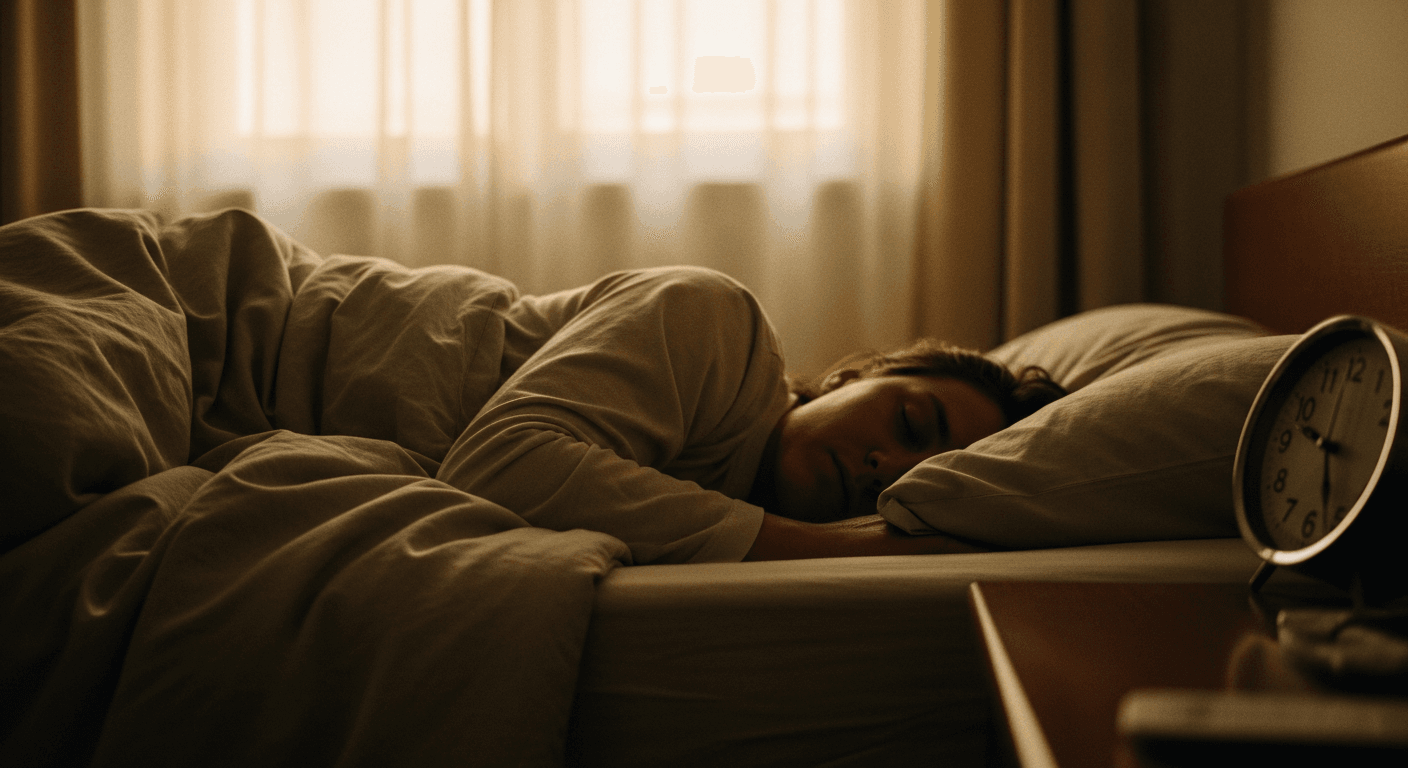
How Much Sleep Actually Lowers Your Dementia Risk
New research shows sleeping over 8 hours raises dementia risk by 28%, more than sleeping too little. The protective sweet spot is 7 to 8 hours.

Sleep Apnea Is Quietly Destroying Your Muscle Quality
New Ben-Gurion University research links obstructive sleep apnea to lower skeletal muscle density, making it a hidden driver of muscle decline most active people overlook.

Your Brain Literally Resets Itself in the First Hours of Sleep
New research shows the first half of sleep is when your brain systematically prunes neural connections, acting as a reset that enables fresh learning and emotional balance.

Urolithin A and Recovery: What the Elite Athlete Study Shows
A clinical trial in Sports Medicine found 1000mg of Urolithin A cut muscle damage markers and lowered perceived exertion in elite endurance athletes.

Stress Management: What the Research Actually Supports
A 2026 PRISMA-framework review identifies self-regulation, exercise, and workload adjustment as the most evidence-backed stress management strategies.

Rucking for Recovery: The Low-Impact Method That Works
Rucking, walking with a weighted pack, clears metabolic waste, reduces soreness, and strengthens connective tissue without adding training stress on rest days.

How Scientists Changed Their View of Insomnia
New research has shifted how scientists understand insomnia. from a brain chemistry problem to a behavioral condition. and changed which treatments actually work.

How Yoga Rewires Your Nervous System to Beat Stress
New research confirms yoga reduces stress and anxiety by stimulating the vagus nerve, lowering cortisol, and raising GABA levels. Here's exactly how each mechanism works.

20 Minutes Outside Three Times a Week Cuts Stress Significantly
Research cited in Manulife's 2026 stress report shows 20 minutes of outdoor movement three times a week cuts stress significantly. Here's how to build that into your week.

Financial Stress and Your Body: What It Does and How to Fight It
Financial stress triggers the same cortisol damage as any chronic stressor. Here's what it does to your body and three zero-cost ways to fight back.
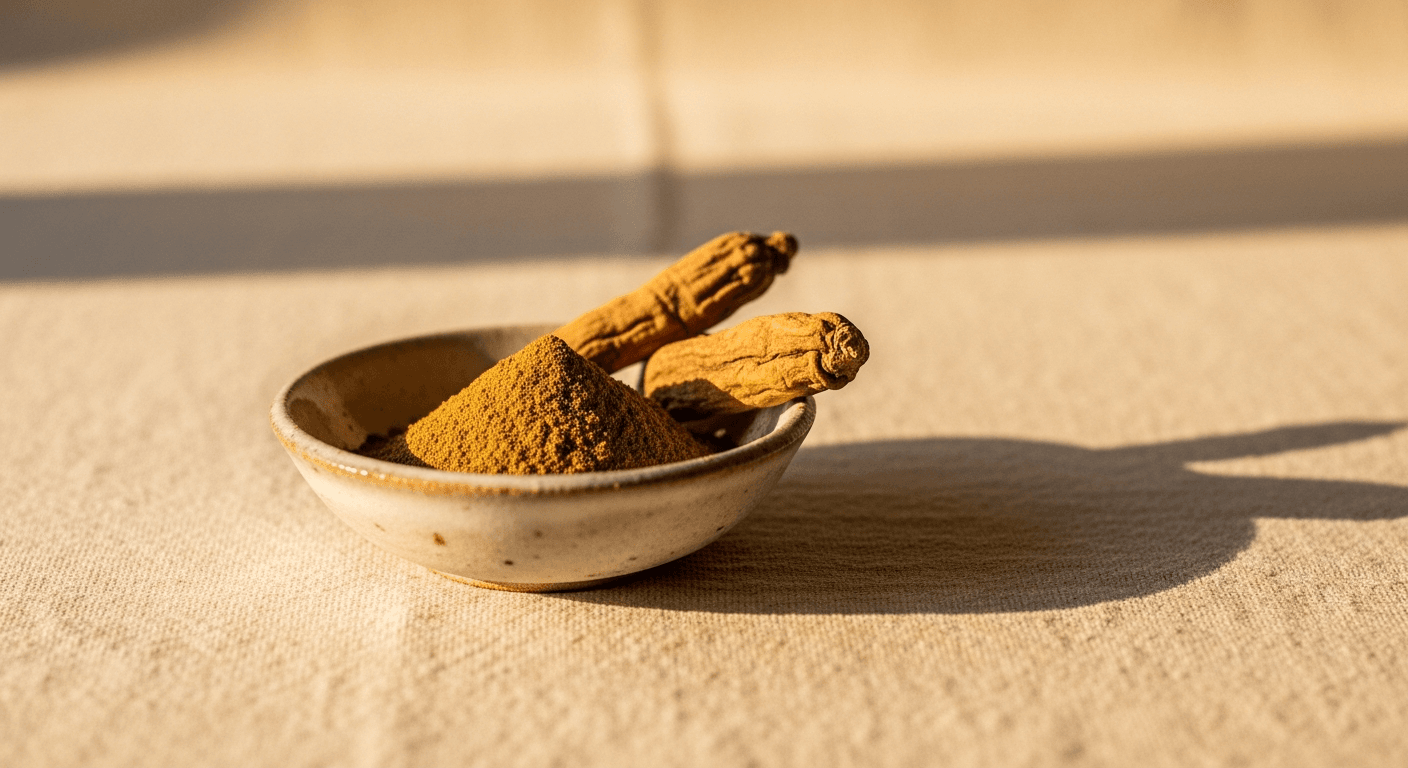
Ashwagandha and Stress Hormones: What Science Actually Says in 2026
The science on ashwagandha and cortisol is more credible than the hype suggests. Here's what current research actually supports for everyday stress management.

Chronic Stress Is Quietly Wrecking Your Fitness Gains
Chronic psychological stress raises cortisol, disrupts deep sleep, and impairs recovery in ways that directly undermine your fitness gains, no matter how well you train.
Poor Sleep Disrupts Your Gut and May Worsen Cancer Risk
New research links chronic sleep deprivation to gut microbiota disruption that may worsen colorectal cancer risk, making quality sleep a direct health priority.

What to Actually Do on a Rest Day (Science Says)
Rest days work best when they're structured. Here's what the science actually says to do with your recovery time.

5 Minutes of Daily Mobility Work That Actually Pays Off
Five minutes of daily mobility work improves joint range of motion, prevents injury, and supports stress recovery. Here's what the research says and how to start.

Recovery Is the New Sport: Wellness Trends Reshaping How We Train in 2026
82% of people plan to focus more on wellbeing in 2026. Here's the data behind the recovery trend reshaping training culture this year.
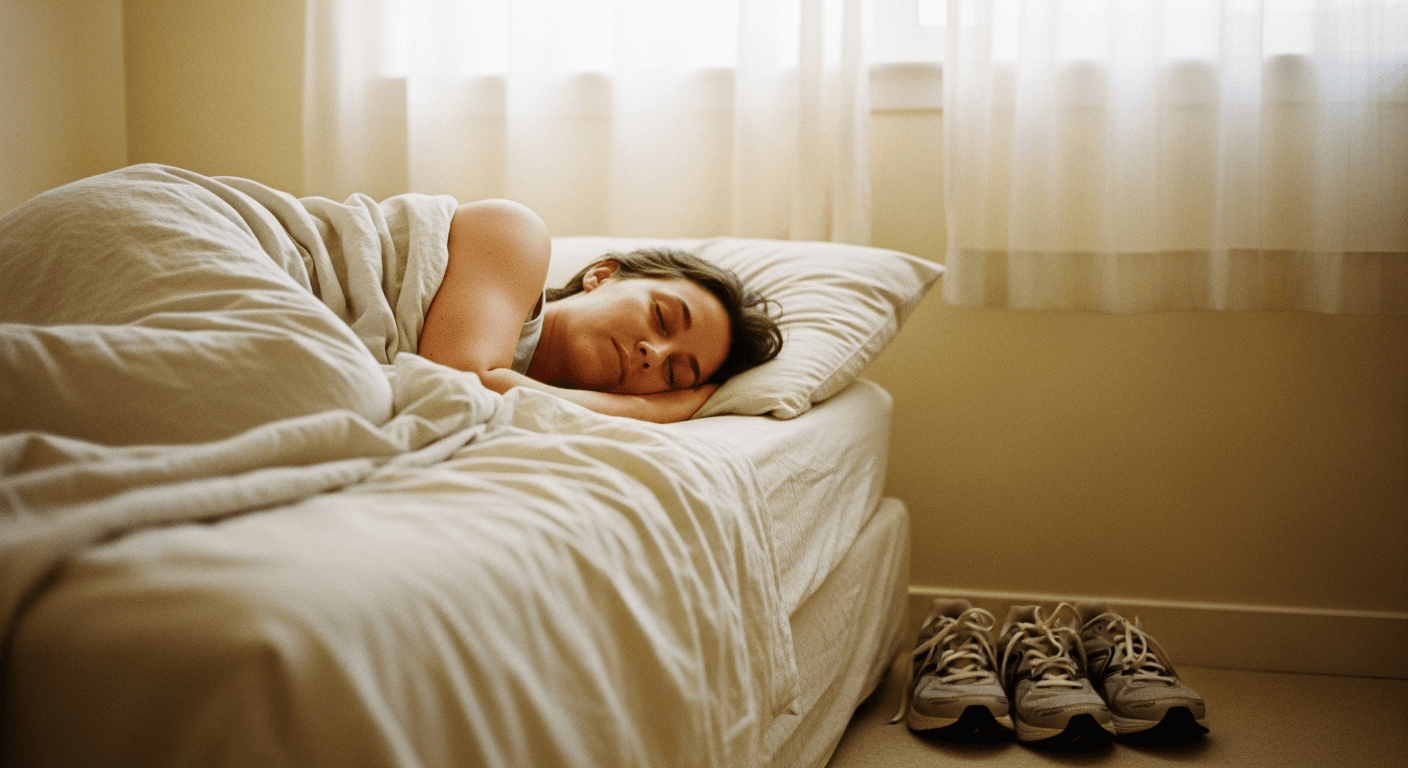
10 Minutes of Exercise a Day Improves Your Sleep, Research Confirms
Just 10 minutes of moderate exercise a day measurably improves sleep quality, University of Texas research confirms. Here's what that actually means for your routine.

Catching Up on Sleep on Weekends Cuts Depression Risk by 41%
A 2026 study on 3,000+ young adults finds 1-2 hours of weekend catch-up sleep cuts depression risk by 41%. The benefit disappears with more than 2 hours — the sweet spot matters.

JAMA 2026: Muscle Strength Cuts Premature Death Risk by a Third
A JAMA 2026 study of women aged 63-99: muscle strength cuts premature death risk by a third, independently of aerobic fitness. The optimal dose is just 60 minutes per week.

Harvard 2026: Varying Your Exercises Cuts Mortality Risk 19%, Regardless of Total Time
A Harvard study from January 2026: practicing a variety of exercise types reduces premature death risk by 19%, independently of total time spent exercising.
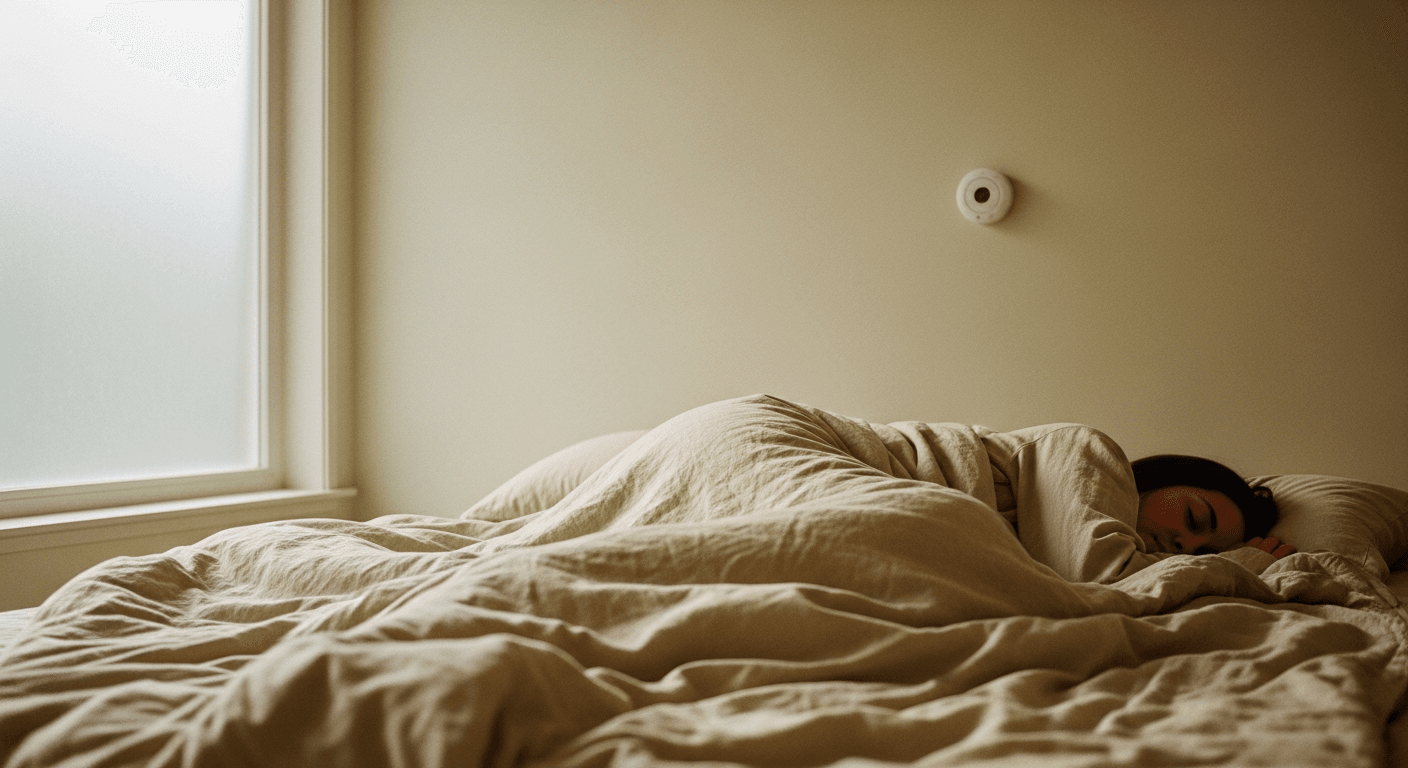
Bedroom Temperature and Sleep Quality: What Science Says
Your bedroom temperature is one of the primary environmental factors affecting sleep quality. The optimal range according to science: 61-66°F. Practical solutions for tonight.

Mindfulness and Exercise: The Stress-Busting Combo of 2026
An April 2026 study confirms the effectiveness of an 8-week MBSR program on anxiety and fatigue. Combined with exercise, mindfulness is the most powerful documented stress-reduction approach.

Exercise and Mental Health: The Data That Changes Everything
ACSM confirms across 137 meta-analyses: exercise effectively reduces mild-to-moderate anxiety and depression. The minimum dose, mechanisms, and strategies to start.